Neumarkt arrives
Our Figures
Here you can find information about the project’s figures in Neumarkt

Neumarkt arrives
Each Figure Briefly Introduced
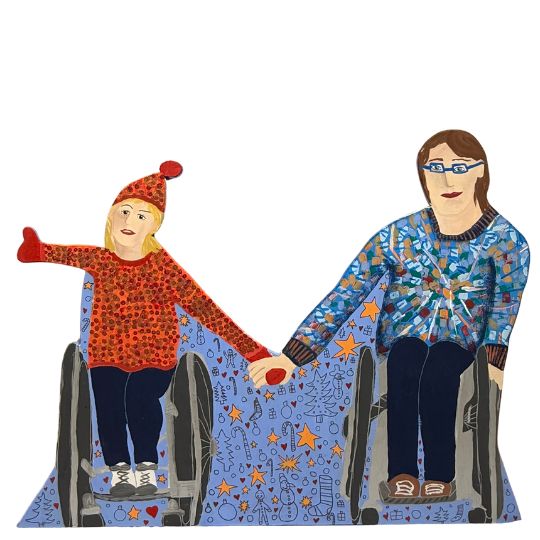
Each figure tells its own story, namely the individual story of arriving and belonging.
What does that mean for me? Where do I want to arrive? With myself? In my career? In the community? In a home or in my sexuality? Everyone has found a very personal answer to the question of arriving and belonging. This is exactly what is reflected in the figures, whether a wheelchair user, a man with depression, a UN soldier, or a mother. They all want to arrive and find their very own place that offers them protection and security.
Charity, inclusion, and diversity are the values found in all figures. We are all different, have different abilities and different starting points, yet we all share the desire to be part of a community that welcomes everyone.
Let yourself be inspired by the unique creative works of these groups and learn more about the backgrounds of the individual designs!




16

#
18
#
20
11
12
13
14
15
6
7
8
9
10
1
2
3
4
5
The exhibition “Neumarkt kommt an” displays 26 life-sized figures in the Neumarkt urban area. They were designed by various groups, schools, social institutions, churches, and initiatives. Each figure tells its own story of arriving and belonging, and stands for diversity, inclusion, and togetherness in Neumarkt.
On the “Exhibition Locations” overview, you will find all locations of the exhibition and see which figures can be discovered there. The numbering corresponds to the order on the homepage under “Figures.”
The figures can be seen in the Town Hall, District Office, Hospital, University, City Library, EUTB, Hofkirche, Evangelical Center, G6, Knabenrealschule, Ostendorfer Gymnasium, vocational school, as well as in the community center and civic center.
The exhibition can be visited from September 22 to October 29, 2026, at the respective locations during regular opening hours.
Visitors can access additional background information about the respective groups and their works via QR codes on the figures.
Exhibition Locations of the Figures
Neumarkt arrives
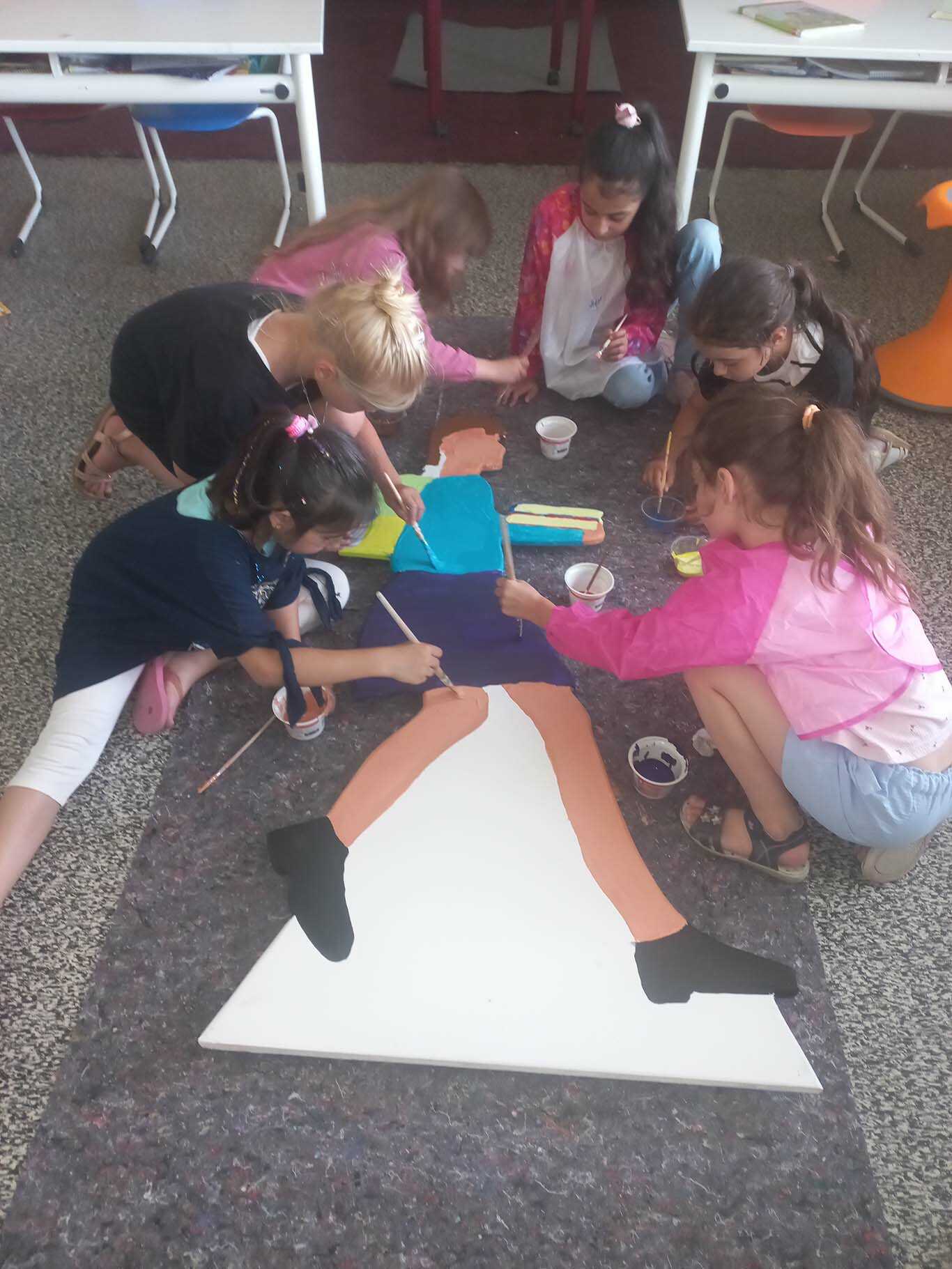
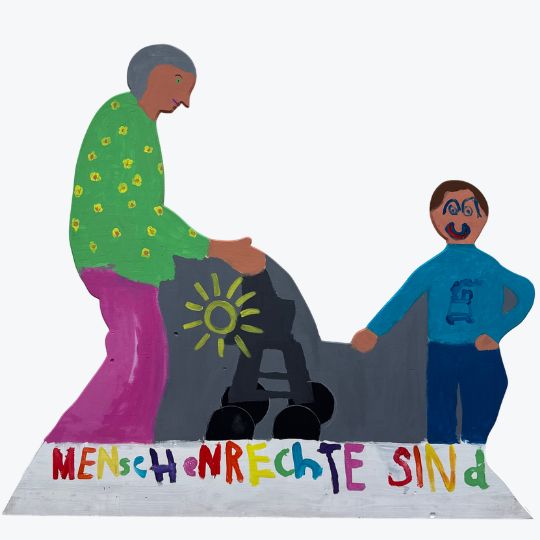
In the picture, we see a boy and a woman. Both are standing outside and smiling. Together, they are holding a rollator. The boy is helping the woman, and both are doing something together.
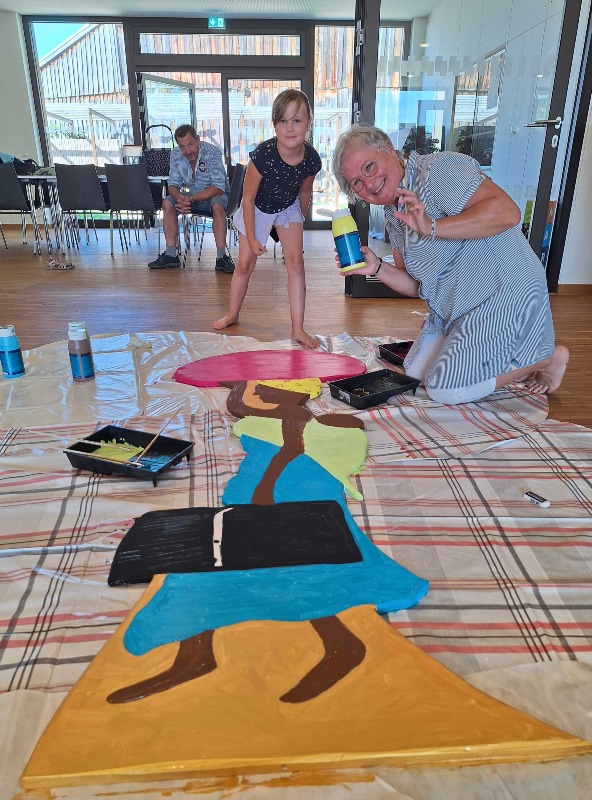
The figure in the picture was painted by children during the KJR summer campus together with people with disabilities, accompanied by an artist from the Neumarkt Art Circle. People of different ages came together, worked creatively, and spent time with each other. Thus, a simple figure became a symbol of encounter and shared arrival.
This is exactly what “Neumarkt kommt an” is about: Arriving doesn’t just mean being in a place. It means belonging, being welcome, and finding your place in the community. A city where all people can arrive is a city where no one is excluded.
The joint painting of the figure shows how this arrival can succeed: people meet, get to know each other, help each other, and create something together. It doesn’t matter whether someone has a disability or not. Every person is part of the community and can contribute something.
The figure therefore stands for arrival, encounter, inclusion, community, help, and solidarity. It shows: The people who live in Neumarkt arrive when everyone belongs and can participate together.

#26 “Human Child”
Working Group for Open Disability Work

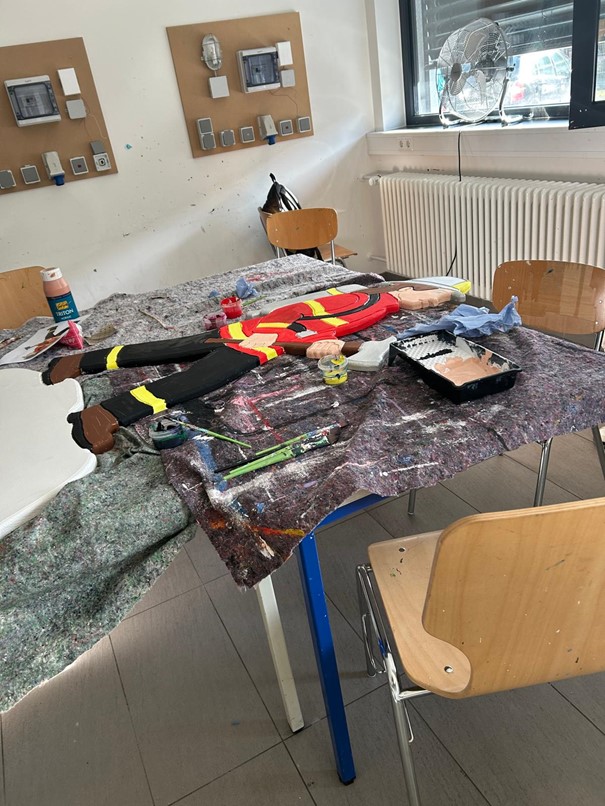
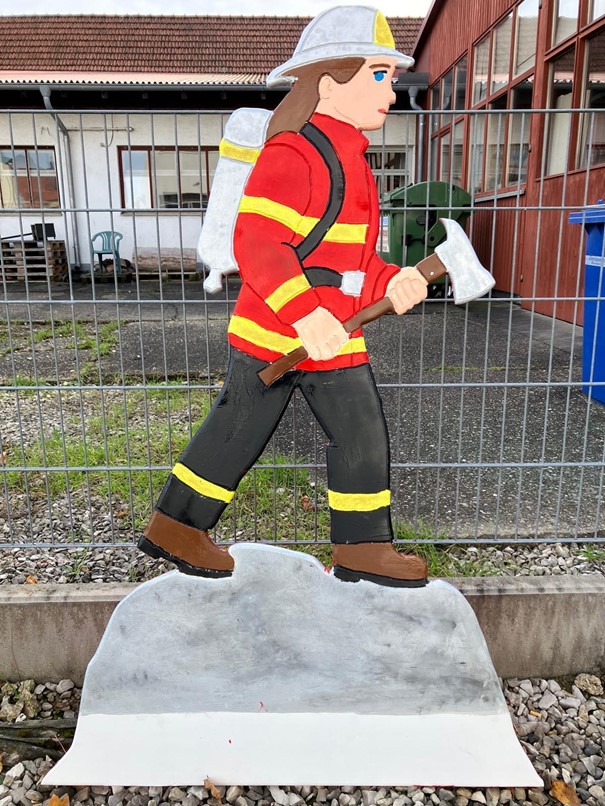
#25 The Firefighter – Courageous Arrival
BFZ Neumarkt
This figure stands for courage, equality, and childhood dreams come true.
“When I grow up, I want to be a firefighter.”
Many children dream of becoming firefighters – bravely extinguishing fires, saving lives, and helping others. What was once often considered a man’s profession has now become a matter of course for women too.
The firefighter shows that women’s rights and equality are visible not only in laws but also in lived reality. She symbolizes the freedom to go one’s own way – regardless of gender roles and expectations.
Her path stands for arriving at one’s own strength – for the belief that childhood dreams can come true if you believe in them.
She reminds us that arriving also means self-realization, taking responsibility, and being there for others.
Just as she resolutely moves forward, she invites us all to live our dreams, stand up for each other, and work together for a world where equality, respect, and solidarity are self-evident.
Because: Neumarkt arrives together
Project within the framework of group and open programs at G6
The project theme was implemented in the treasure hunter group, queer group, art lab, girls’ meet-up, open youth club, and summer holiday program for young people.
The idea was to creatively introduce children and young people to the topics of diversity, belonging, and safe spaces. 30 children and young people aged 7 to 21 participated.
The group was diverse, both in terms of age and cultural backgrounds, interests, and personal life paths. This diversity is reflected in the resulting picture collages.
The participants were tasked with expressing their own thoughts and feelings on the aforementioned questions creatively or visually.
Where do you want to go?
What is a safe place for you?
Where does your path lead you?
Where do you want to arrive?
What does diversity mean to you?
The wooden figure was independently decorated with collage material. The pictures show different ideas of safe places and paths, different life perspectives and future wishes. They also reveal a different understanding of cultural diversity, as well as values such as respect, freedom, and cohesion.
The shadow figure forms a creative, colorful, and personal image of the children and young people who visit the G6.
#24 A Heart for Neumarkt
G6 / Youth Office
#23 Respectful Coexistence
SG Social Affairs City of Neumarkt

The diverse figures reflect the coexistence in society in its diversity. Every child, every woman, and every man is unique. Every person has their individual abilities and weaknesses, wishes and needs, and formative life experiences.
The hands of the two outer figures symbolize a house, a house where all people are welcome, should feel comfortable, and can get involved and contribute with their own ideas. All people, regardless of their country of origin, lifestyle, or stage of life, want to be taken seriously and valued. They want to feel welcome in the city community and arrive in society with their different cultures and life experiences.
No one can live alone. Everyone is part of a society, needs togetherness, community. No matter what physical conditions we have or what social class we come from or what lifestyle we choose. We bring diverse prerequisites for a respectfully lived coexistence. We see this diversity as an opportunity for a beneficial coexistence. Let us embrace the peculiarities of different religions, cultures, disabilities, and lifestyles.
Let’s join hands so that we can arrive together in our city community!
Imagine you are 56 years old and in the prime of your life. Work, family, plans.
You think about your next vacation, your children’s wedding… And then, – piece by piece – something begins to disappear. Words, paths, faces.
You search for terms that were self-evident yesterday. You get lost in rooms you furnished yourself, and eventually, you start to lose yourself. Dementia at 45, 50, 60. That sounds wrong – because it doesn’t fit the picture.
But for thousands of people, it is a reality, even in Neumarkt. The figure stands precisely for these people who develop early-onset dementia, who are insecure, ashamed, and feel betrayed by life. Every day is a battle, a battle against forgetting. And for some relatives, a journey begins – a difficult journey.
The partner becomes a caregiver, the son a support, the parents seekers of support, help, or answers. They have to make decisions for which no one is prepared. They experience how the person they love slowly fades away. Caring relatives experience loneliness because the environment often doesn’t know how to deal with this diagnosis at a younger age. Early-onset dementia tears gaps – in families, friendships, existences. But what is most lacking is space. Space for what these people feel, what they hope for, what they need.
Therefore, Neumarkt must look, not look away!
We must begin to tell these life stories – and let people arrive with empathy, not pity. In this sense, let’s stay in touch.
#22 Staying in Touch
Open Meeting for People with Early-Onset Dementia
#21 Influencer
Knabenrealschule Neumarkt
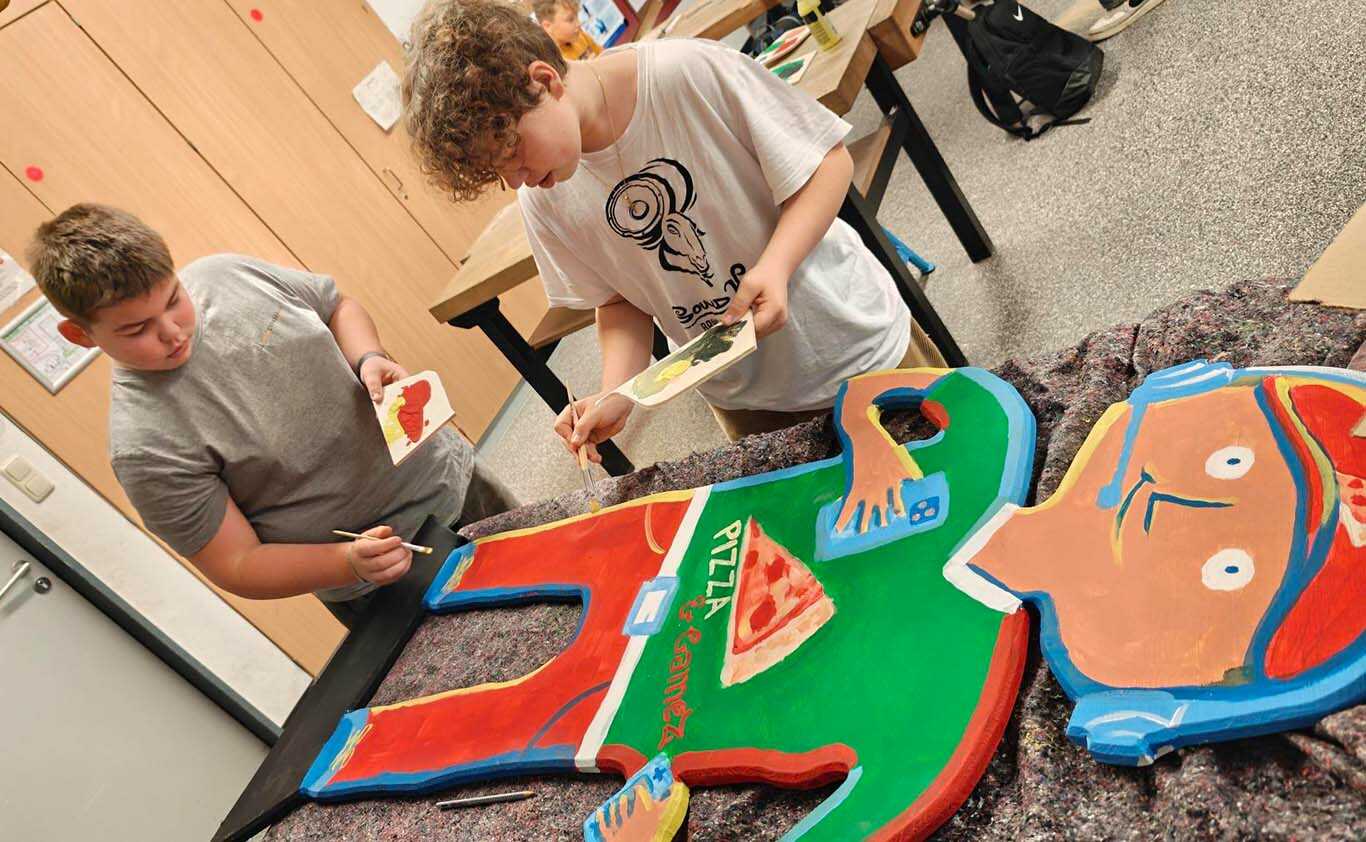
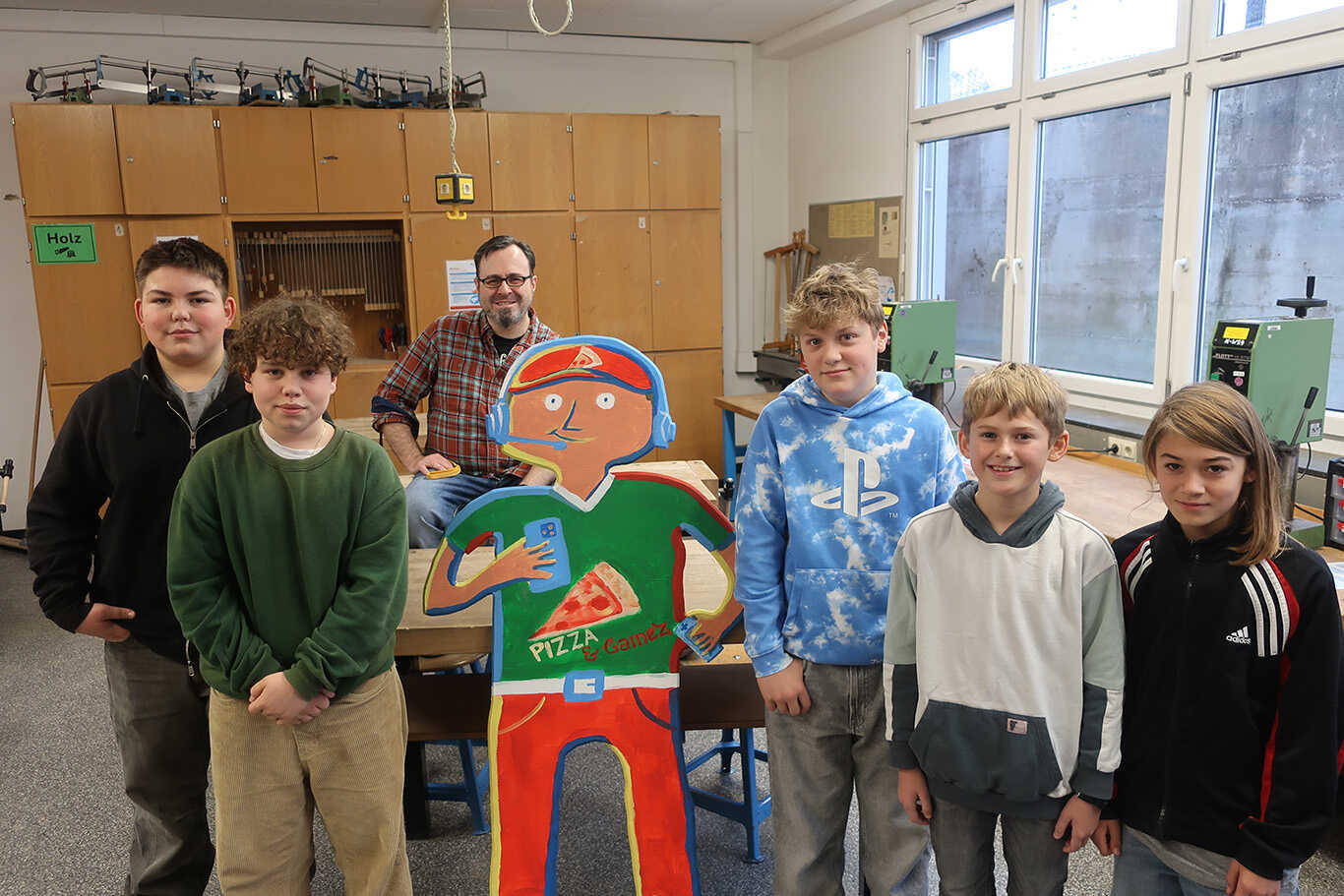
The “Influencer” is always on the pulse of time: Between all the digital devices surrounding him, he has created his own niche: gaming and pizza. This combination is certainly familiar to younger people – and not uncommon:
Amidst the hustle and bustle of screens and computer games, there must still be time for peace and comfort. Pizza stands for familiarity and the moment when you don’t let technology consume you. Seen this way, the figure moves between the demand to be on the pulse of time – influencers always have to post “content” – and allowing oneself a break.
“Arriving” here means: finding your own quiet zones, being able to take time for thoughts again in an environment that is loud and hectic.
Filimon’s Escape Story
At the age of 17, Filimon left his family’s home unnoticed one early morning at the end of April 2014. He began his escape without any papers – only with a student ID. Together with 33 other people, his journey first led him to Ethiopia, where he spent two weeks in a refugee camp. From Sudan, he crossed the Sahara within ten days and finally reached Libya. There he waited two months for his crossing to Sicily.
Around 700 refugees were with him on the ship – all with the same goal in mind: Italy. The crossing lasted 20 hours and was very psychologically stressful for him. In Sicily, about 3,000 people arrived simultaneously. His further route led him via Padua, Milan, and Verona, across the German border to Rosenheim.
Having arrived in Neumarkt, he endeavored to learn the language, attended vocational school, and eventually began an apprenticeship in hairdressing with Karl Heinz Lux. Through his passion for football, Filimon quickly made connections. Today he plays as a center forward for the DJK-SV Berg football club.
One of his reasons for coming to Germany was his enthusiasm for the German national team, which further strengthened his interest in football. Other family members of Filimon also fled Eritrea: two of his brothers live in the Netherlands, another in Cologne. Initially, he had little contact with his family, but has since been able to see them again in Ethiopia and now calls them regularly.
read-more
Background to the figure “Filimon”
The figure consists of a front and a back. The front shows his current life and his arrival in Neumarkt, while the back represents his past, his escape, and his originally intended life path.
The flag of Neumarkt contrasts with the Eritrean flag. Through this, we wanted to symbolize both his arrival in Neumarkt and his homeland – Eritrea. The flags are draped around Filimon in the form of a sash and serve as a symbol of his “victory,” i.e., his current life.
On the front, Filimon wears a green football jersey of the DJK-SV Berg club. The hairdressing tools in his hand reflect his profession.
Since Filimon was originally supposed to be conscripted into military service, the clothing on the back resembles a soldier’s uniform. In his hand, he actually holds a student ID, which is covered by the QR code. In the white circles, one can trace his escape route to his destination, Germany, symbolized by the flag in his hand.
Background on the political system in Eritrea
Eritrea, also known as the “North Korea of Africa,” is considered one of the most isolated countries in the world. According to the Democracy Index, Eritrea ranks last (179th place) and is one of the harshest autocracies globally. The reason for these political conditions is the development after the Second World War.
Ethiopia occupied Eritrea from 1962, which triggered many unrests and led to dissatisfaction among the Eritrean population. In 1993, Eritrea finally gained independence, and President Isayas Afewerki promised democratic reforms, education, and prosperity. However, these promises were never fulfilled, and Eritrea developed into a military dictatorship.
Eritrea is the last country in Africa to officially adhere to a one-party system. There is neither an independent judiciary nor a democratic constitution. The Eritrean population must endure repression, such as forced conscription into the military for an indefinite period or comprehensive control over their private lives. Conscription for forced labor is possible at any time.
As one of the poorest countries in the world, Eritrea suffers from extreme droughts, malnutrition, and food shortages.
Due to the inhumane conditions, over a million people, including many young people, have fled over the years. The main reason for fleeing is often the threat of military conscription.
However, even abroad, refugees are controlled and monitored – for example, through propaganda events supported by the regime, espionage, or manipulation.
Government message:
“Our arm is long enough to reach you, wherever you are.”
#20 Filimon
Ostendorfer Gymnasium
#19 Franzi
Day Centre of Diakonie NAH e.V.
Franzi looks cheerful, but she also has difficult times. Even if Franzi shows her cheerful side, the dark, sad side is always present.
Franzi often feels bad. She has depression, ruminates a lot, and her mood is often low.
She is very sensitive. Her heart is broken because she was often disappointed in the past.
Constant anxiety and stress feelings are processed in her brain and lead to neurobiological changes in the brain. The neurotransmitters dopamine and serotonin are available in insufficient quantities in Franzi.
At the day center of Diakonie NAH e.V., she meets Holzmichl during an excursion to the enchanting Grünsberg Castle near Altdorf.
She immediately feels drawn to Michl and understood. For a long time, she has butterflies in her stomach and “mushrooms in her knees” (a German idiom for feeling weak-kneed from excitement).
A hormone cocktail is released in Franzi’s brain when she’s in love, causing a tingling sensation in her stomach.
Many visitors to the painting group associate ‘arriving’ with arriving at oneself, accepting and embracing one’s mental illness. For many, this self-acceptance is difficult.
Feelings can calm down when you arrive at yourself and accept yourself as you are.
It is important to the participants of the painting group that no one has to hide because of a mental illness. Standing by oneself is important, no matter what others say about you.
On a square in the city, a man enters the scene. He is of strong, upright stature, his movements both tentative and determined. In his hand, the white guide harness, by his side a dog – watchful, proud, and loyal. The animal leads, but the man carries dignity, trust, and determination within him. Together they appear, a well-rehearsed team, every step full of mutual trust and loving communication.
They arrive by actually reaching their destination after a long journey of shared searching and finding, entering the square, full of joy at having arrived, hearing the voices, the sounds, the footsteps of other people, being greeted and kindly received. The dog clears the way through the babble of voices, guides its human past obstacles, gives him support and direction. With every step, it becomes clear: arriving here is no coincidence, but an act of trust, training, and deep interaction between humans and animals.
“Arriving” means: becoming visible in a community, taking one’s place, being welcome. The man arrives with his entire story, his struggles, his strength, and with everything that makes him human. The dog is a symbol of loyalty and help, of the bridge between independence and connection. When the two arrive in the city, it becomes palpable: arriving does not just mean entering a place – it means being recognized, participating, not feeling excluded.
It is a silent but powerful arrival. The man brings not only himself but also a message: that barriers can be overcome, that arriving is always a shared journey – whether guided by a dog, by trust, or by the open attitude of the people who receive him.
#18 Man with Guide Dog
Advisory Board for People with Disabilities
#17 Nursing Professional
Care and YOU

The figure “Nursing Professional” represents the entire professional group of nursing. It embodies the values, competencies, and social significance of this profession. Its goal is to arrive – in society’s perception and in recognition as an independent profession.
Nursing is far more than pure care. It is a profession based on expertise, responsibility, and independence. Nursing professionals act autonomously, shape processes, and make decisions that prioritize the well-being of people.
Nurses are independent specialists with clearly defined competencies. Nursing stands by those in need of care, advocates for their needs, and strives for the highest well-being – yesterday, today, tomorrow, day and night. The goal of nursing is to increase and, where possible, restore quality of life.
The nursing professional demands that society recognizes the reality of nursing:
Nursing is not just a helping hand, but a supporting pillar of the healthcare system – competent, professional, and indispensable.
The figure “Nursing Professional” is a symbol of strength, responsibility, and humanity. That’s why we need motivated talents to shape the future of nursing together with them.
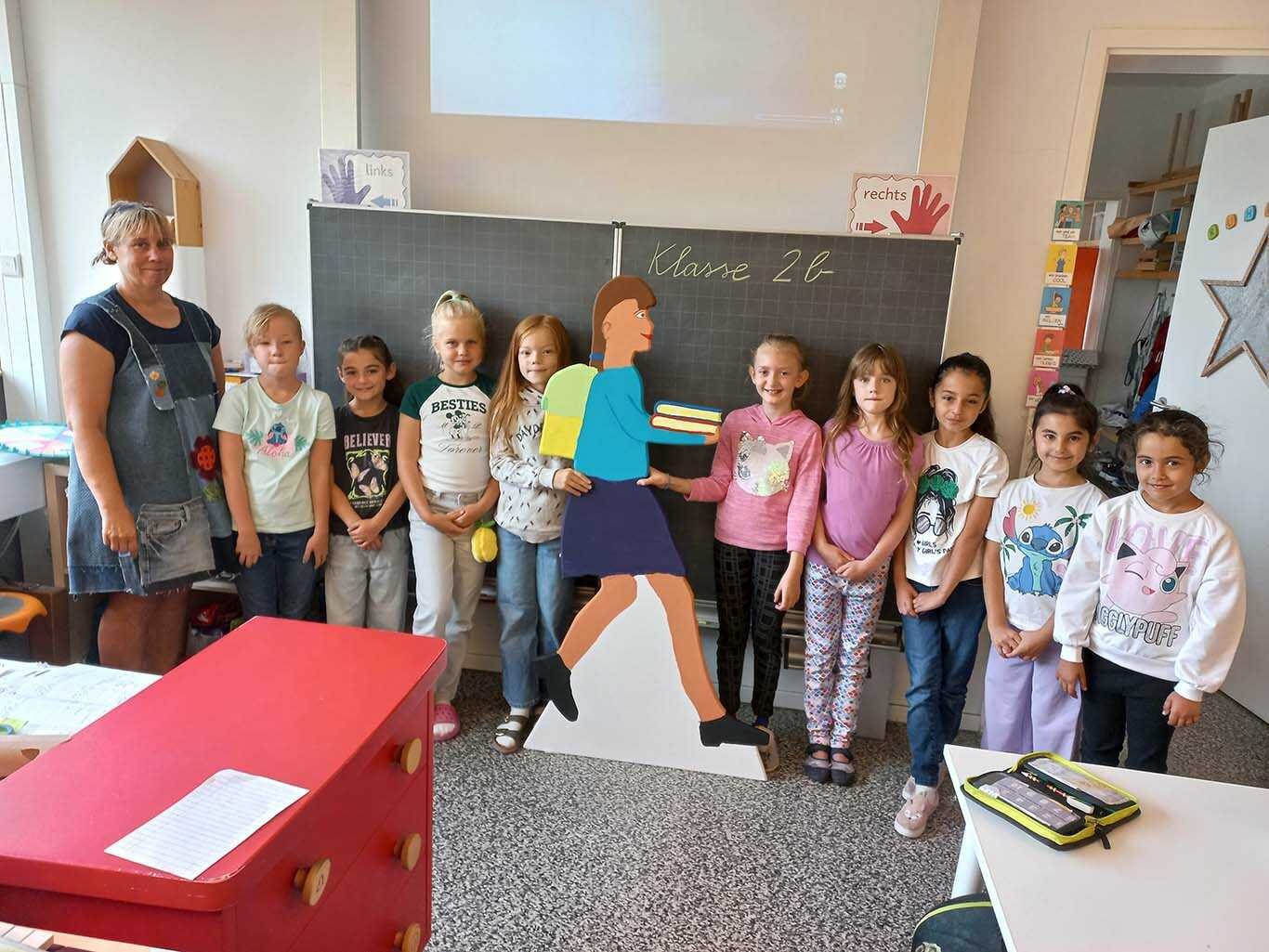
Our figure shows a school child arriving at school – with a smile and full of curiosity. It symbolically represents what the Theo-Betz-Schule stands for: a place of arrival, acceptance, and togetherness.
Here, friends await, the community supports, and everyone is accepted as they are. We see diversity as an enrichment – people from different cultures, with different languages, experiences, and backgrounds shape our school life together.
Like the wooden school child, everyone at our school should feel welcome. For us, school is more than a place of learning – it is a second home, a place where we grow, learn, and support each other.
Our figure reminds us daily that arriving doesn’t just mean walking through a door, but feeling accepted and understood.
#16 Schoolgirl
Theo Betz Primary School
#15 Balance of Diversity
Vocational School Neumarkt
What truly connects us is the heart – our humanity.
No matter if black or white, blonde or curly, with a cross, crescent, or star:
True strength lies in compassion.
True beauty lies in respect.
True faith lies in love.
This figure reminds us:
Before we are anything else, we are human.
Nadia
A person with different skin colors. The hair is dark and curly on the right side, blonde on the left. A specific type cannot be identified. And that is not important to the idea generator. What is important is that we see a human being in the figure. Regardless of where the person comes from, what gender or religion they have, we should remember that we have a human being in front of us who thinks and feels like everyone else, has needs, wants to realize wishes, and wants to interact with other people. At the Vocational School Center in Neumarkt, vocational integration classes have existed since 2015. Students with a migration background learn German here, are taught mathematics, politics, ethics, and other subjects by dedicated teachers, some of whom have intercultural experience themselves.
read-more
With a secondary school leaving certificate and often a recognized DSD 1 Pro diploma, which certifies their German language skills at B1 level, they can finally begin vocational training. Some students learn so well that they subsequently attend the State Commercial School in Neumarkt or the FOS (technical secondary school).
The classes are multicultural, meaning the students come from various countries around the world: Hungary, Poland, Ukraine, Iran, Iraq, Turkey, Thailand, Spain, and many more. Even a student from China completed their degree a few years ago.
Not only cultural differences clash, but also denominations. And yet, collaborative learning in the classroom works. Students learn from each other, and often cultural differences are interesting for all students, as are the lives, habits of people, rules, and customs here in Neumarkt.
Learning German is the top priority, but suddenly a student from Syria speaks Arabic or Ukrainian with a student from Ukraine. The students have no inhibitions and approach each other. Intercultural learning in a multicultural society is possible, regardless of origin and religion. This is what the idea generator wants to express with this figure and invite dialogue.
Idea: Nadia from Iran
Designed by students Nadia, Mirna, and Mariam, BIK 11b; Vocational School Center Neumarkt
“Two souls, one home –
Hope, not religion, is reflected in their eyes.
Whether headscarf or open hair,
what connects them is more than a belief:
It is the smile they share,
the courage to start anew,
and the warmth of a hand.
For beyond all differences, only one thing matters:
Our humanity.”
Fanoos
Two girls hold hands and walk forward. They understand each other, even though they come from different cultures. The girl on the left comes from a country in the Near or Middle East. She wears a long dress and a headscarf. Both garments are colorful and brightly luminous, regardless of common stereotypes. The girl on the right comes from Ukraine and wears an elaborate traditional costume. The girls met at school, became friends, speak to each other in the new target language German, and look hopefully towards the future.
Fanoos comes from Afghanistan. She has lived in Neumarkt for a year and attends the vocational integration class at the Vocational School Center in Neumarkt. As a child, she never thought she would have to leave her homeland. The beginning was difficult; past images were constant companions in her mind. Fanoos longed for peace, security, friends, to finally arrive and belong. Disputes among other students in the class, which are part of everyday school life, always made her very sad. A classmate from Ukraine comforted her, later a second, and over time friendships developed. Although the friends come from different worlds, they have learned to understand and support each other. What might have seemed impossible before is now normal with attending a multicultural class.
Idea: Fanoos from Afghanistan
Designed by students of BIK 11a – Fanoos, Kamila and Uliana
#14 Tradition Meets Tolerance
Vocational School Neumarkt
#13 Street Musician
Knabenrealschule Neumarkt
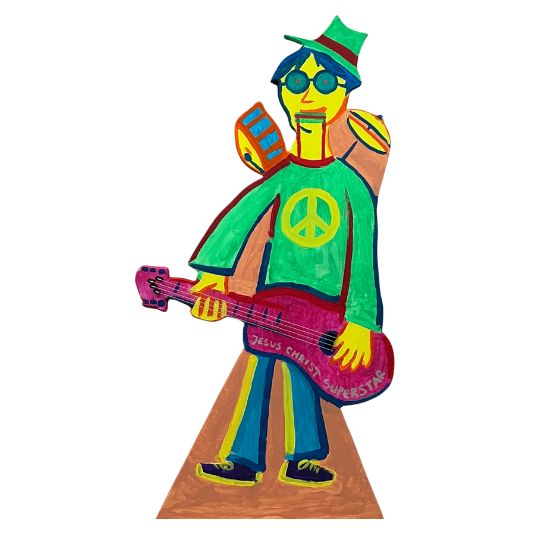
The street musician is also a figure that doesn’t fit the usual mold:
He usually has an unorthodox approach to his instrument – be it self-made or simply repaired. He is creative and often unconventional: whether out of financial necessity, as instruments and their maintenance are often expensive, or out of artistic experimental joy. He enjoys finding and inventing new sounds. Ultimately, only one thing matters to him: music is the key to people’s hearts and connects everyone – as in Johann Gottfried Säume’s poem: “Where people sing, there you should settle.”
In this respect, our street musician also functions as the connecting element between the footballer appearing in the crowd and the rather solitary punk: He brings everyone together and thus unites the outwardly irreconcilable. Similarly, Christmas carols: they unite faith and secular entertainment music – they are catchy and cheerful and thus contain the joy of the birth of Jesus Christ. For this reason, the title of the musical “Jesus Christ Superstar” can also be found on his guitar – secular entertainment meets deeply felt faith.
For him, arriving means using his talents to bring people together and celebrate with them.
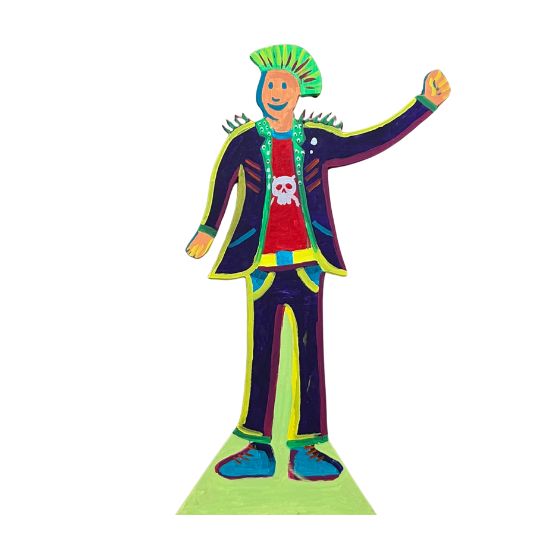
A punk is also a very striking figure in our project. He is generally considered a social outsider, not always conforming or even well-behaved; sometimes even provocative and aloof. But even beneath his Mohawk and studs, he is a human being with feelings.
The question of what led to his often self-chosen departure from societal conformity is usually one that can only be answered individually. Biblical figures were also outsiders: Mary and Joseph were socially undervalued, who even had to settle for a stable as the birthplace of their son. This unusually born son later often went against the conventions of recognized religious representatives and the state.
Thus, the punk also questions many things. On the back of his studded leather jacket, there is a stylized nativity scene – it shines brighter than the sharp studs. He needs a compass in searching and finding his way. For him, arriving means finding peace with the environment and himself.
#12 Punk
Knabenrealschule Neumarkt
#11 Footballer
Knabenrealschule Neumarkt
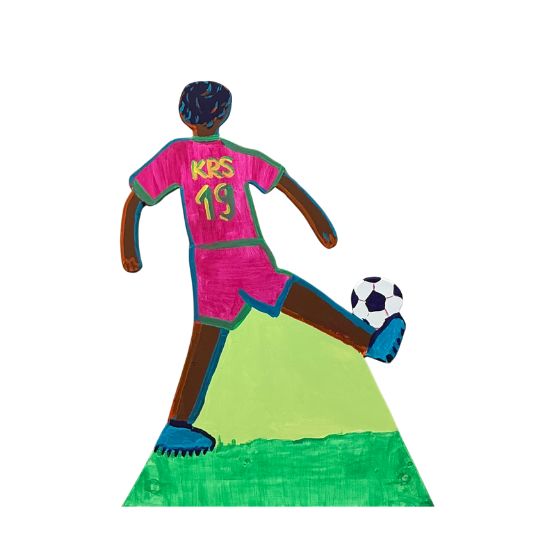
Because our boys at the KRS are naturally largely interested in football and were caught up in football fever due to the 2024 European Championship taking place in Germany, the choice of the footballer as a figure was obvious:
This stands for international togetherness, fair sportsmanship, and of course, energy and zest for life.
He knows: Every game is a new challenge. And he is often at the center of attention: the hopes of the fans, the demands of the club, the expectations of his teammates.
He hopes for God’s help and sets off to move forward – even more so, to arrive:
For him, arriving means being true to himself, giving his best, and finding inner strength in respectful coexistence.
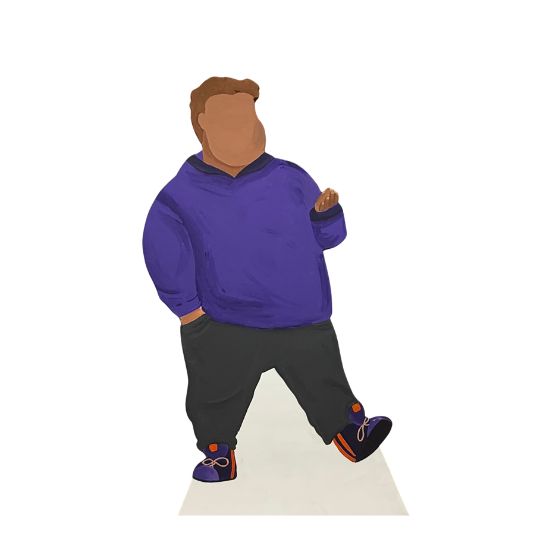
The figure depicts a young man in his twenties, without clearly recognizable facial features. This is no coincidence, but a conscious artistic device to show that identity and worth are not tied to external characteristics. This figure is Noah, but it could also be anyone else. It aims to express that Noah deals with topics such as diversity and toxic masculinity, questioning the superficiality of societal expectations.
The external appearance – overweight, dressed in sweatpants and a hoodie – may seem simple at first glance, but therein lies the challenge. It represents the image of a modern young adult that clashes with classical notions. Often, a young man is described as fit, muscular, and energetic to conform to the ideal image of attractiveness and masculinity. But Noah is meant to show that joy of life, well-being, and masculinity have nothing to do with such external standards.
The blank facial features symbolize the idea that the figure could be anyone. It’s about society letting go of the idea of judging people by their appearance. The decision to portray Noah as overweight is meant to be a sign that body diversity exists and should be accepted, without burdening it with negative connotations. Noah is not “fat but sweet” – he is simply himself, with everything that entails.”
read-more
His everyday clothing is a conscious choice. It stands for the normality that many people live. It is a break with the image of the constantly strong, flawless man who shows no weaknesses. The figure is meant to show that it is perfectly okay to have weaknesses and to be sensitive. Toxic masculinity often arises from the expectation of maintaining a certain image of invulnerability and control. But true masculinity lies in acceptance, vulnerability, and self-love.
Noah is meant to express a positive attitude towards life and the acceptance he has for himself. His overweight is a part of him, but it does not define him. It needs no justifications and no euphemistic descriptions. Noah is happy and content because he is doing well – and that is exactly what the figure wants to show the world. It is a strong statement against the silent norms that shape and restrict our image of body and masculinity.
#10 Noah – The Face of Diversity
Vocational School Neumarkt
#9 Wheelchair User
School Pastoral Care Weinberger School & Regens Wagner
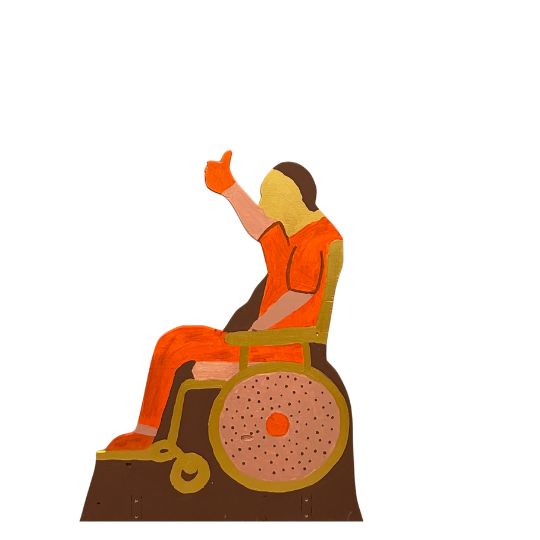
Thumbs up – this symbol is intended to represent the self-image and attitude towards life of the residents of Group Anton at Regens Wagner Haus in Dr. Schrauth Str. in Neumarkt.
In 2018, a centrally located living space for people with traumatic brain injury was created in the city center of Neumarkt.
Self-determined living – this motto is implemented not only within the residential group but also in the social environment of Neumarkt
.
The city of Neumarkt always has an open ear for people with disabilities – everyday barriers are avoided or removed as much as possible, so that everyone can shape their lives as independently as possible. If a barrier does arise in everyday life, helping hands are often there.
Regens Wagner is very well integrated into the neighborhood and has become a firm part of social life.
The people of Regens Wagner feel comfortable in Neumarkt and look forward to many contacts in the future.
Thumbs up for creative collaboration!
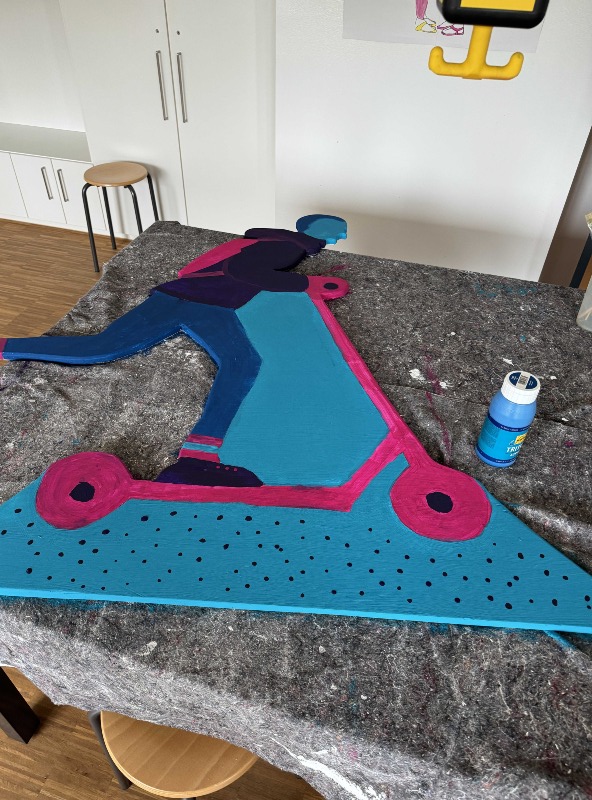
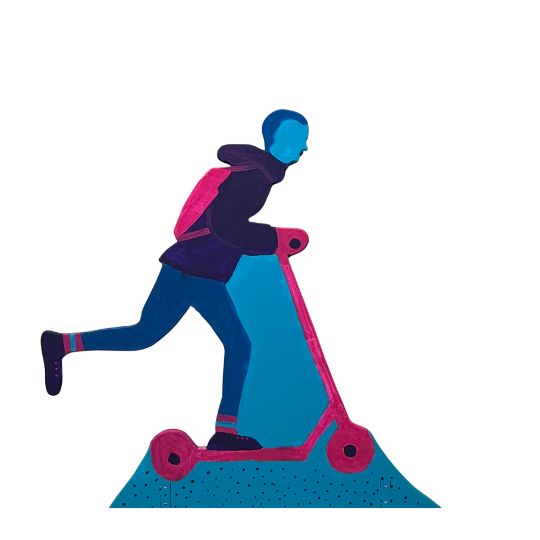
The designed figure of a boy on a scooter embodies the diversity of our community. “We are different” – this is reflected in our different paces and appearances, in our different biographies and abilities, our age, and the colors of our cultures. Yet despite these differences, there is something that connects us all: the path we walk together.
Each of us brings a unique perspective that enriches our community.
We are all on a journey, searching for our place in the world. “We all want to arrive.” This shared longing for a goal, a place of belonging, unites us. The boy on the scooter symbolizes this dynamic and active path we take to realize our dreams.
“We all long for a place where we are accepted as we are” – with our colors, scars, wishes, and questions. Every scooter of life we ride can be designed differently, but it is the shared desire for acceptance and understanding that drives us to keep going and grow.
The figure of the boy on the scooter reminds us that there is immense strength in our diversity. By appreciating and respecting each other, we can create a community where everyone is welcome and where we can all arrive. Let us embark on this journey together and celebrate the beauty of our differences.
#8 Boy on a Scooter
School Pastoral Care Weinberger School & Regens Wagner
#7 Young Girl
School Pastoral Care Weinberger School & Regens Wagner
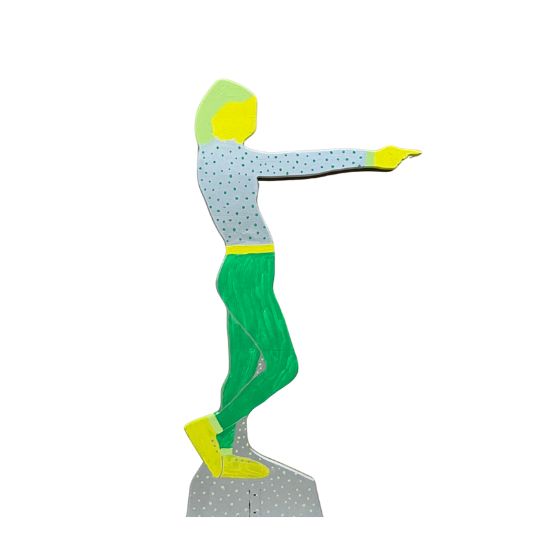
A young girl as a symbol for our common path. In a world full of possibilities, the designed figure of a young girl stands as an inspiring symbol for the journey we all embark on. “Where should I go?” This fundamental question occupies us, especially as students who actively want to shape our future. We are not only looking for goals but also for clear paths to get there.
The figure of the girl symbolizes curiosity and the courage to explore new paths. “Who will show me a good way?” This question refers to the companions and mentors in our lives who support us on our journey. It reminds us that we are not alone in our search for answers. “And when I arrive? Is anyone there?” The longing for community and understanding is essential. Through dialogue with others, we can broaden our perspectives and develop new ideas.
“It’s worth listening to us.” The young girl encourages us to share our thoughts and embark on new paths together. By approaching each other and supporting each other, numerous opportunities open up.
Let us view this figure as an inspiration to consciously walk our paths and accompany each other. By working together, we not only shape our future but also the community in which we live. Together we can achieve great things.
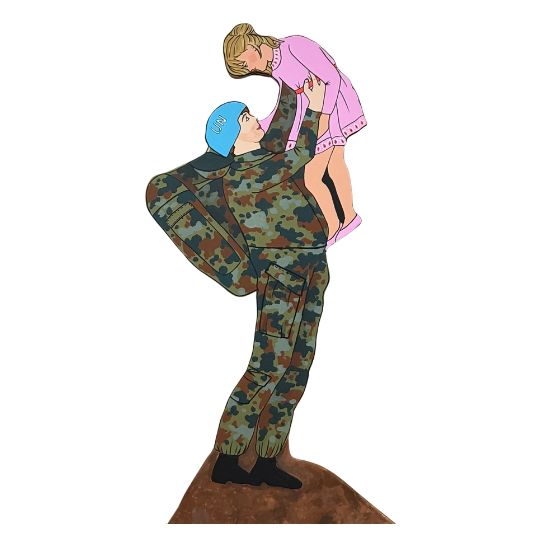
We, the 9th-grade students of Ostendorfer Gymnasium, have reflected on the role of Bundeswehr soldiers and the military in general in the population, in connection with the war in Ukraine. We agreed that there is a lack of appreciation and acceptance towards them. We explained this by the fact that only one classmate knows a soldier.
Since the suspension of compulsory military service in Germany, we and many other young people no longer have points of contact and can identify less with soldiers. Perhaps we also prefer to get involved in the peace movement, precisely because we hear a lot in school about the crimes of the Second World War, especially about the momentous role Germany played in it.
Even so, we all see that it doesn’t work without soldiers, and that on overseas deployments they would always be willing to give their lives for us.
For our figure, we chose a UN peacekeeper—someone deployed by the United Nations (UN) to restore peace in conflict regions and protect civilians. We can imagine how stressful that must be, and the fears everyone has in the process.
Our soldier lifts up a little girl. Maybe he has just rescued her. Or maybe our soldier is a dad himself, has just come home from a deployment, and his child has run up to him with joy: after all, Advent means arrival. Either way—one way or the other—it’s a truly moving arrival.
#6 – Soldier with a Girl
Ostendorfer Gymnasium
#5 Mother
City of Neumarkt
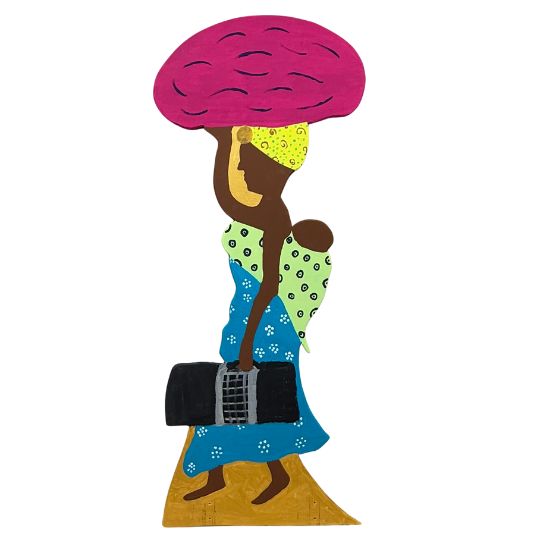
I, Rita Großhauser, very deliberately chose the figure of a mother for our “Neumarkt kommt an” project.
A mother plays a very big—really the most important—role in the lives of all family members.
A mother is a selfless, loving person who has to, and also wants to, sacrifice many of her own wishes and needs for those of her children. A mother works hard to make sure her child is equipped with the knowledge, skills and abilities to grow into a capable, but also empathetic, person.
Through a mother’s loving care and attention, a child learns that they are loved and valued. In this way, a child playfully learns to pass that on to others too. Experiencing that is very fulfilling for a mother.
Many people’s basic means of living are destroyed by war and violence. Fields can no longer be farmed, jobs are destroyed, food becomes scarce and prices rise. Roads, bridges, power and water supplies, and schools are damaged or destroyed.
Of course, in situations like these a mother tries everything to give her children and her family a future worth living. No matter what drives her, which path she takes, or which difficulties must be overcome, a mother always fights to secure the BEST for the people she loves. Some set out on a dangerous journey, hoping to arrive safely far from home, among open-hearted and friendly people.
There’s real energy here!
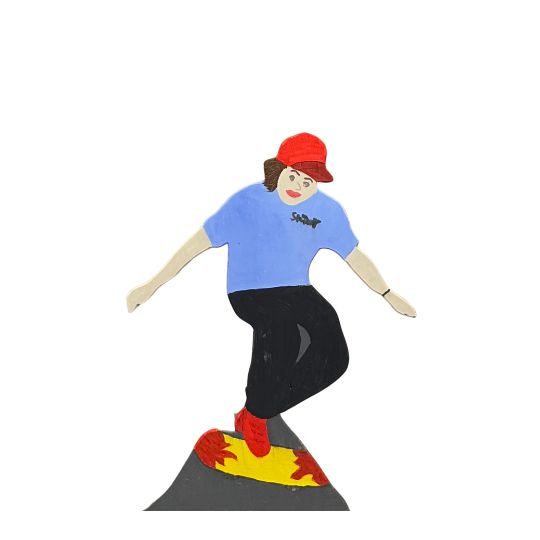
Young people’s lives are colourful, diverse and dynamic. The skater symbolises the vitality of young people, which is important for our society. In all areas of youth work—e.g. the district youth council, clubs, associations or the church—young people bring fresh momentum to life.
This figure is meant to express a joy for life and, like the child in the manger lying there with open arms, the skater is meant to give his blessing to all children and young people.
#4 Skater
Hofkirche
#3 Altar Server
Hofkirche
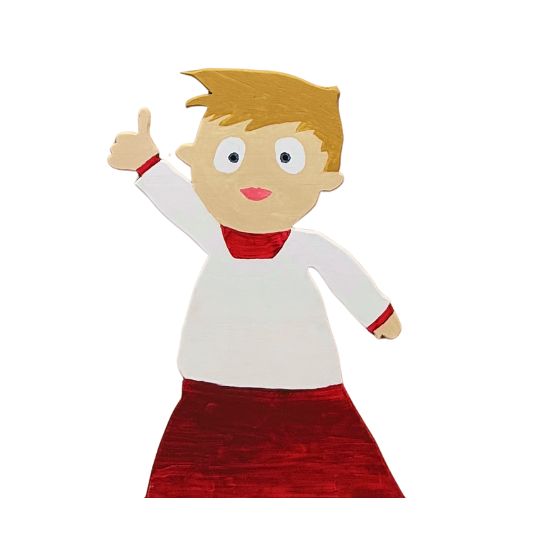
The altar server represents all children and young people who are involved in church youth work.
Young people get involved in the spirit of Christian charity, because that is the message the project aims to convey.
Being an altar server is also about a vibrant community. Friendships form that sometimes last a lifetime. Children and young people learn that community is part of life—just as colourful as the different figures in the project.
In this way, the altar server symbolises all people who feel at home in the church and who approach everyone with openness, to make the world a little bit better.
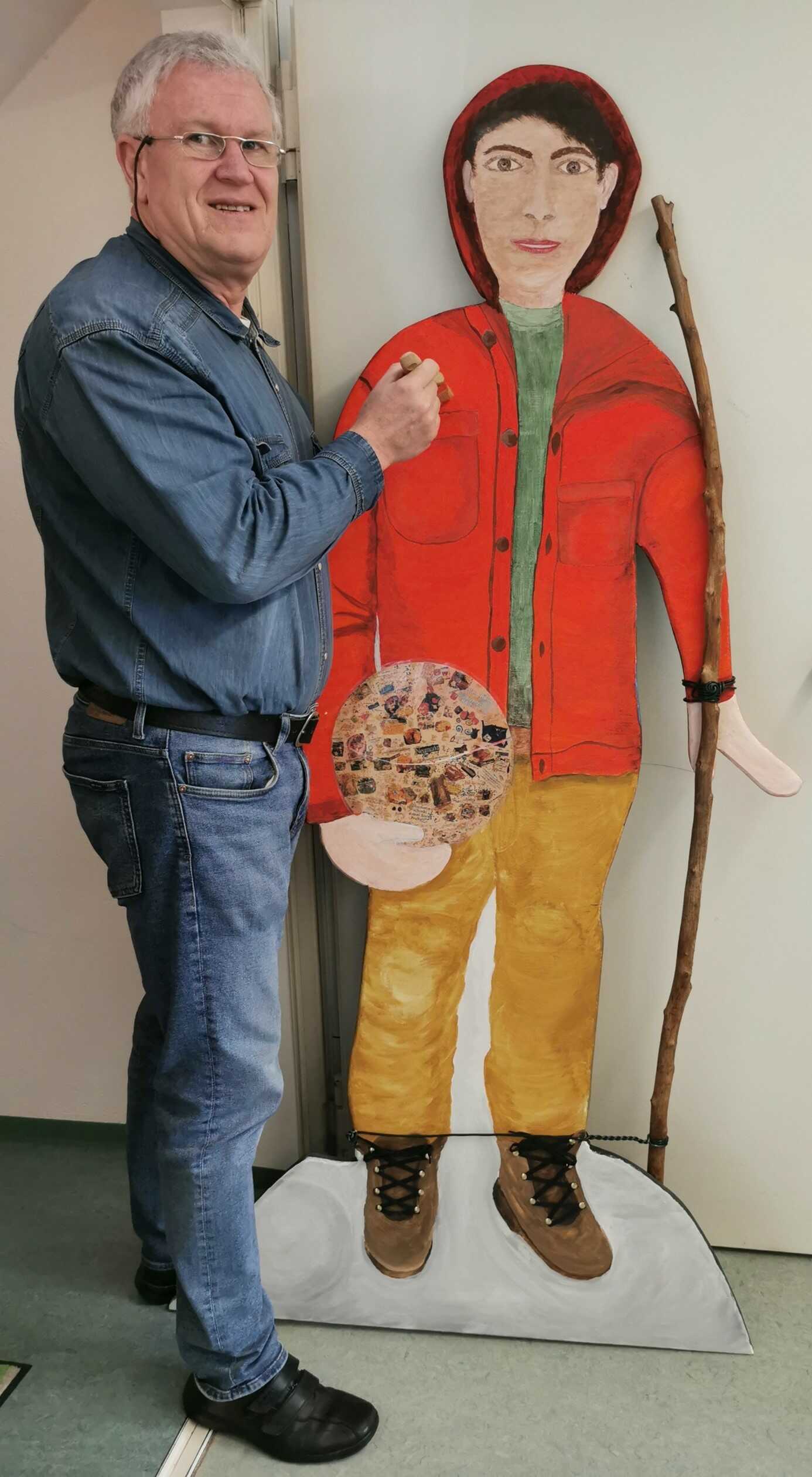
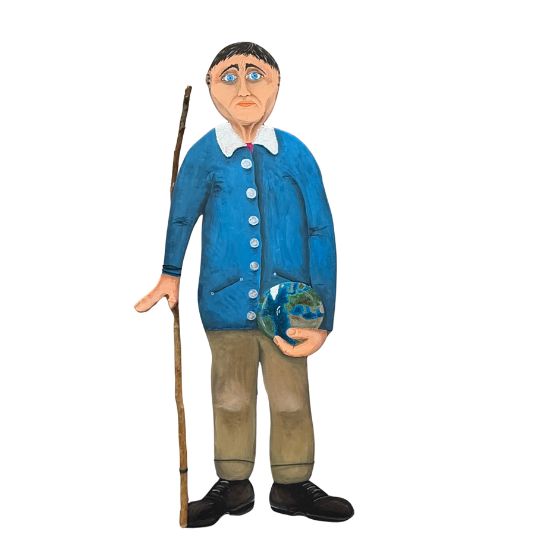
Here you can see a sad yet smiling man arriving in Neumarkt at Christmas time, in front of the Reitstadel.
Holzmichl lives with depression and often feels down, desperate and anxious.
On the other side, he shows a smile, which he likes to put on like a kind of mask so he doesn’t stand out. Only Michl knows how he really is and what it looks like inside him.
He has many worries that weigh heavily on the very sensitive Michl—symbolised by the globe in his hand.
In addition, depression paralyses Michl in coping with everyday life; for example, he has trouble getting up in the morning and can no longer concentrate properly because he has sleep problems.
A heavy bag hangs from his walking stick, filled with many heavy stones. The stones have Michl’s problems and symptoms of illness written on them. Every movement becomes heavy and inflexible.
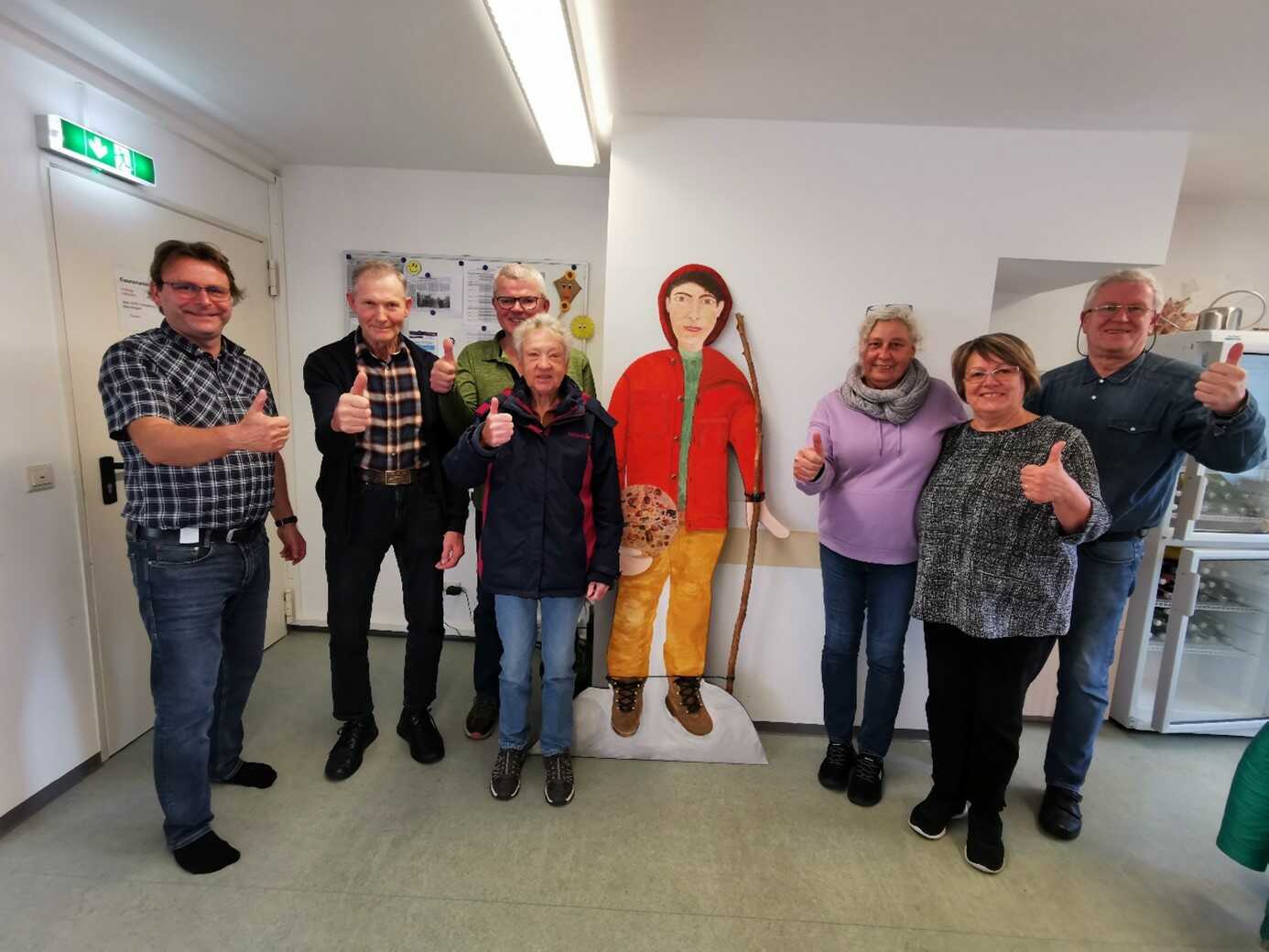
But Michl also has another, laughing side and takes his health into his own hands. His hand holds a sphere, and in that sphere, figuratively speaking, are all the mosaic pieces that contribute to health and wellbeing. Michl shows everything that is important for his recovery process and how he himself helps maintain his own health.
For Michl, arriving means feeling comfortable in his town, knowing people he gets along with, meeting up and talking with them, and doing nice things. He especially likes going to exhibitions at the Reitstadel.
The day centre for people with mental illness and the social psychiatric service help Michl to live better with his condition. With counselling sessions and many different services from the day centre, Michl can take part in society again and find a way out of his illness for himself.
You can find more information from the social psychiatric service and the day centre (a meeting place for people living with a mental illness) at www.diakonie-nah.de and on Instagram.
#2 Holzmichl
Day Centre of Diakonie NAH e.V.
#1 Two People Meet
Jura Workshops Neumarkt
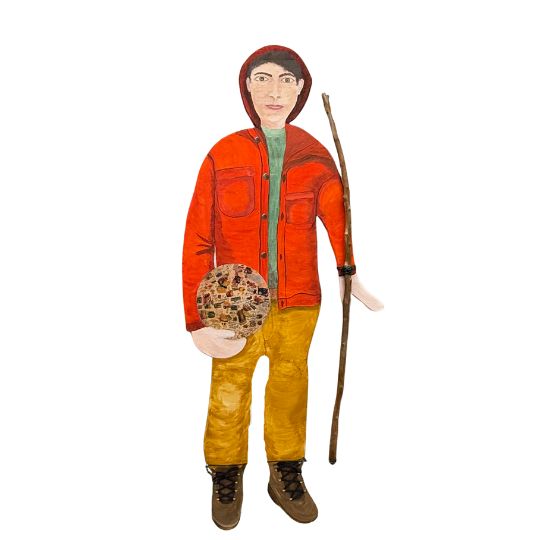
Two people meet. They shake hands, looking ahead amid a colourful backdrop. Together, they discover the world.
Moving forward – Making progress – Arriving. Aids such as wheelchairs make it possible for people with physical disabilities to be mobile and to take an active part in social life. People with intellectual or mental health disabilities also want to be included without being held back. Just like anyone else. In a broader sense, “arriving” can mean finding a place in the community and being accepted and respected for who you are. It’s about breaking down barriers—physical or psychological—and creating an environment where everyone can develop and feel at ease.
“Arriving” can also mean being heard and taken seriously, and having a say in decisions that affect your own life. For people with disabilities, this is still not a given, even though it was legally established back in 2009 in the UN Convention on the Rights of Persons with Disabilities. It’s important that people with disabilities receive the support and resources they need to achieve their wishes and goals. This is how a society can grow in which everyone is enabled to play an active role and live a fulfilling life—whether at work, in their free time, or in social life together.
So let’s all reach out our hands to one another and move forward together. That way, together we will make progress and arrive in a society that breaks down barriers and meets each other.
Neumarkt arrives
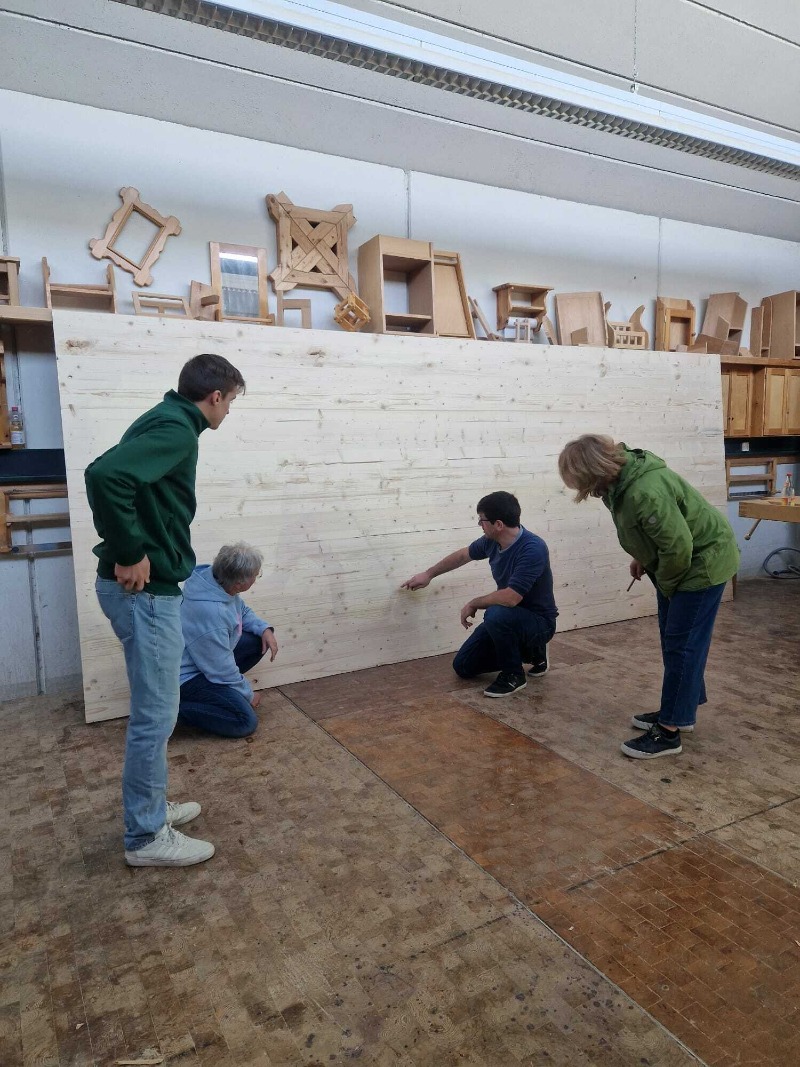
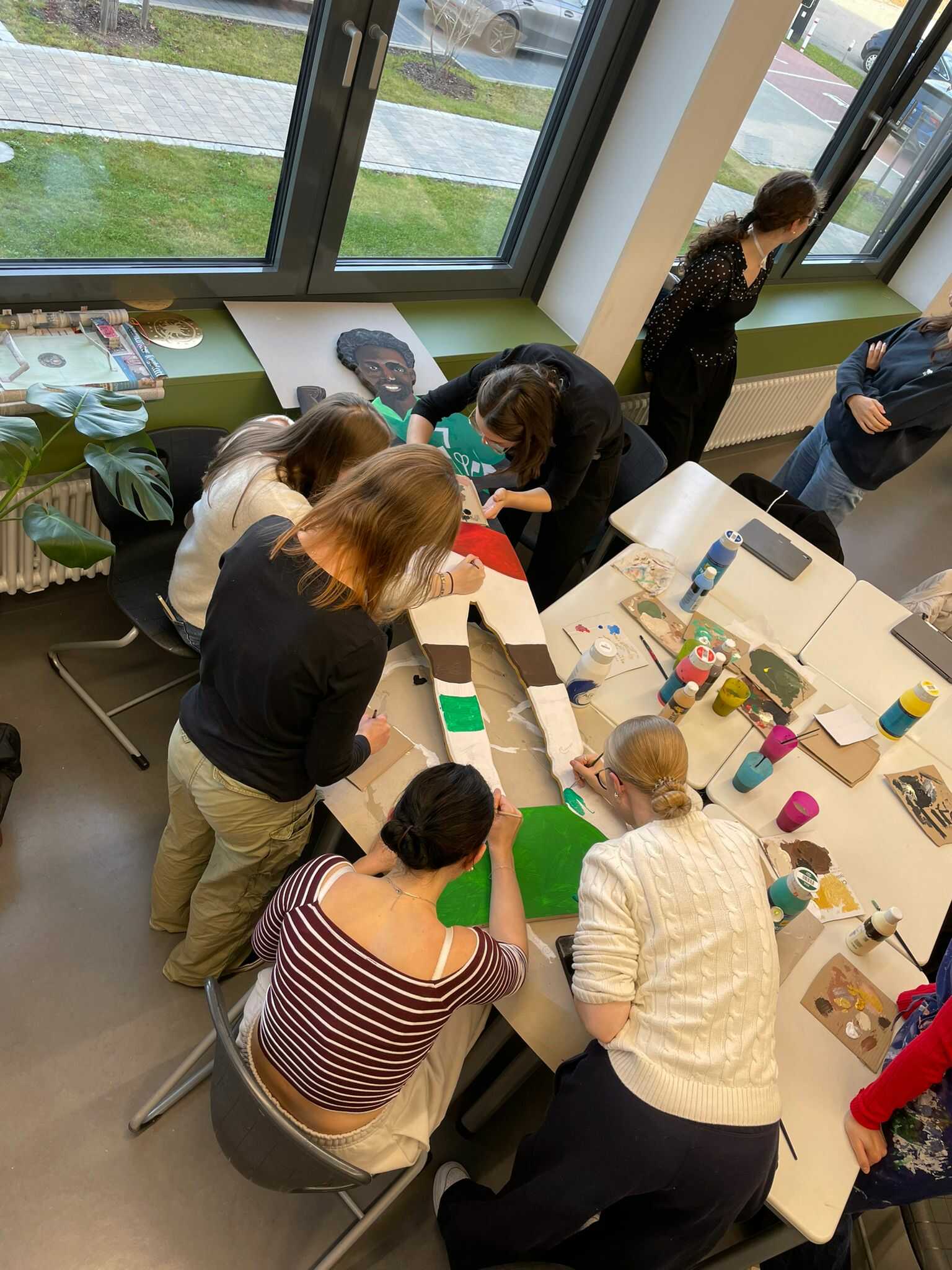
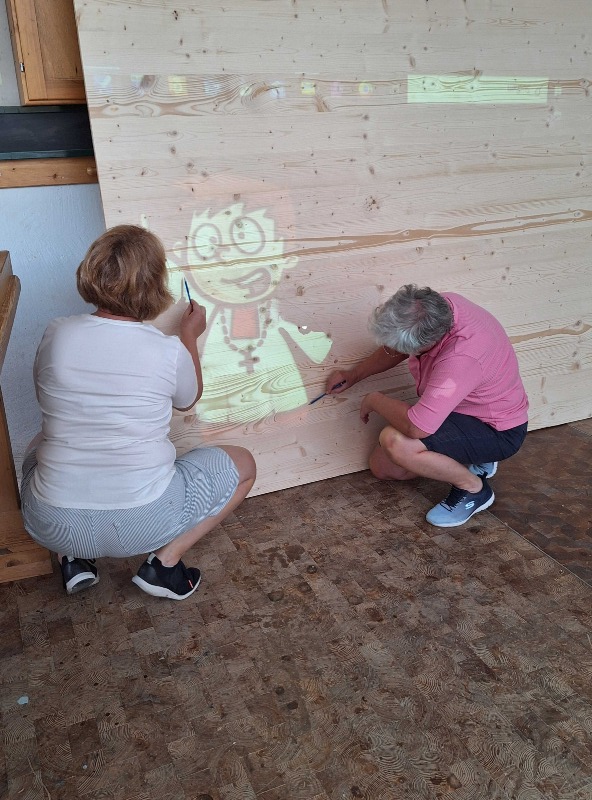
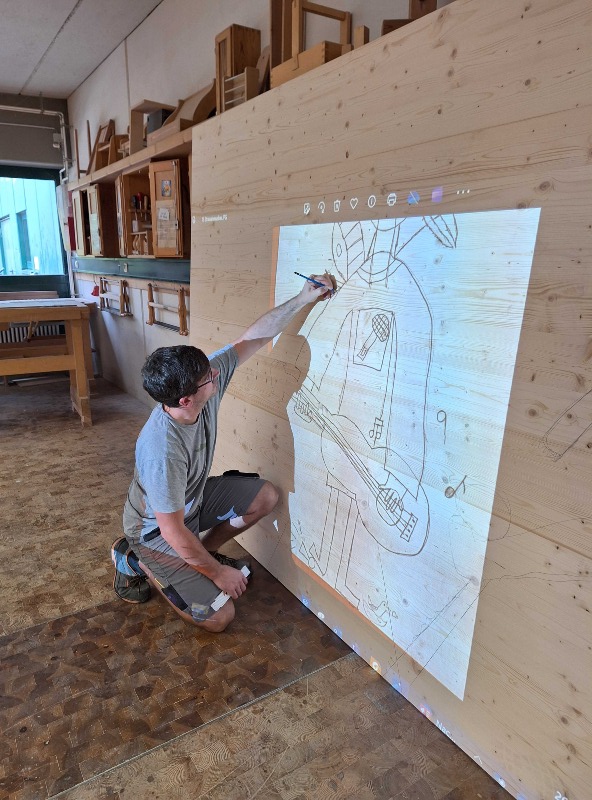
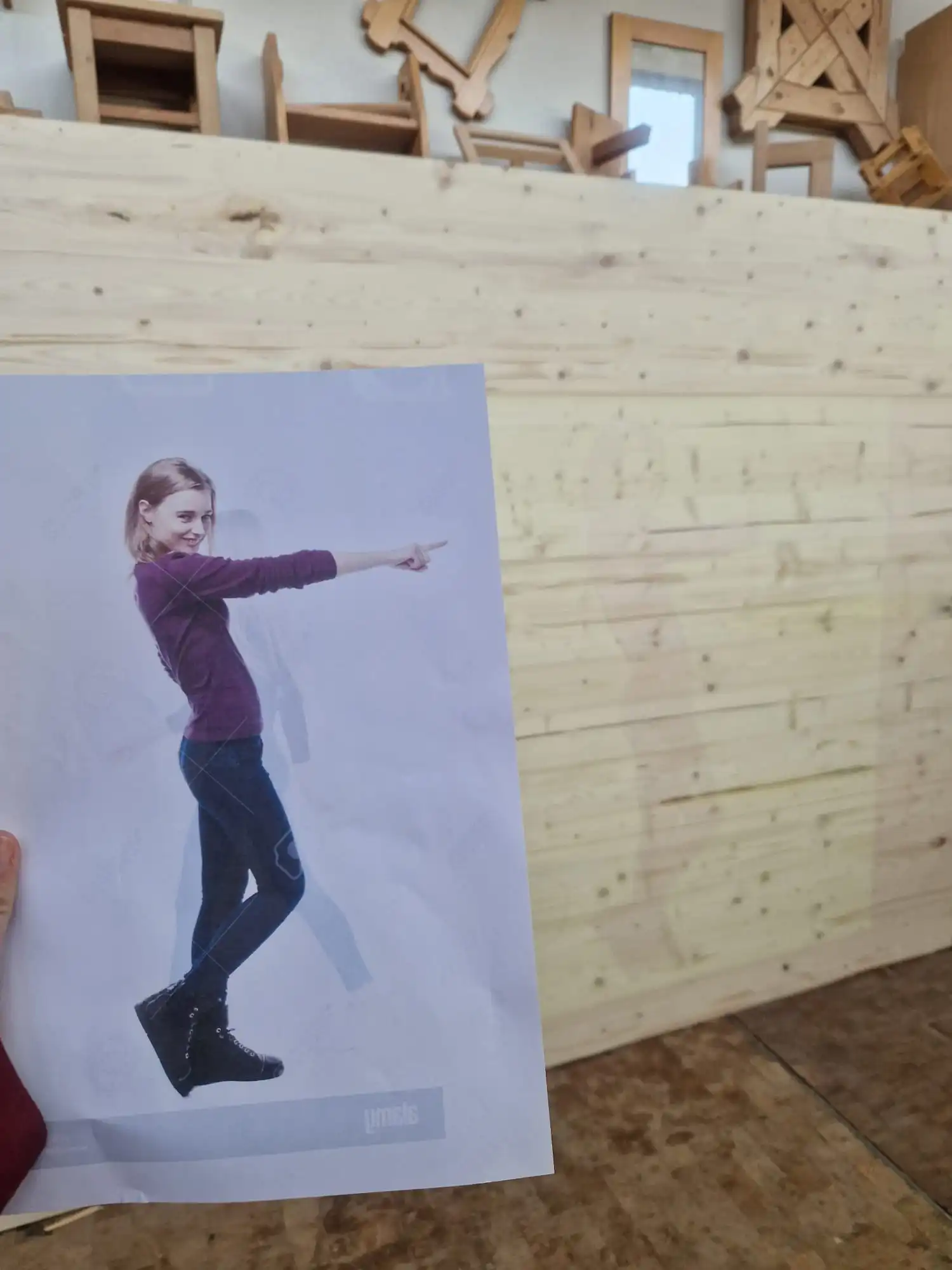
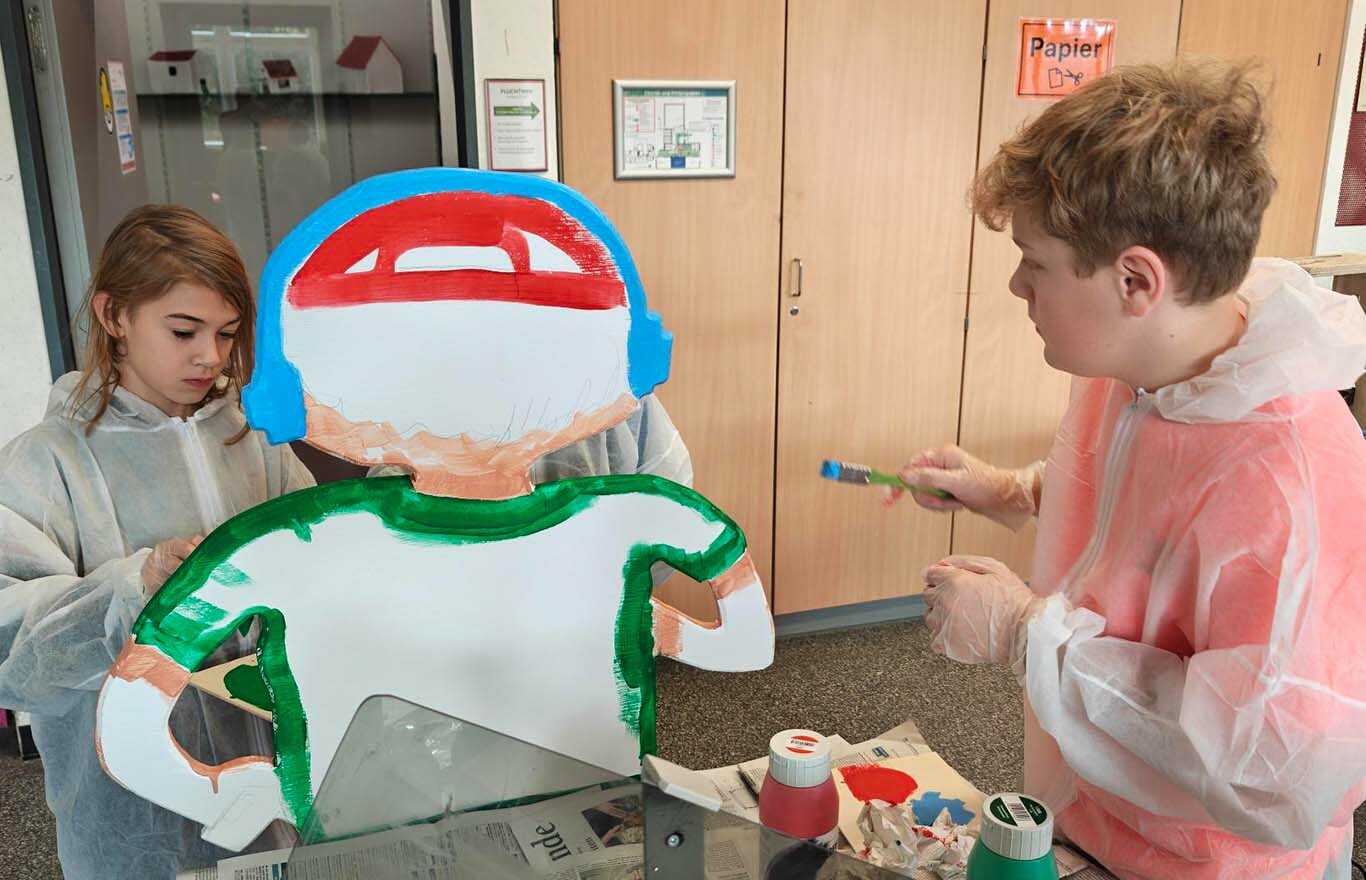
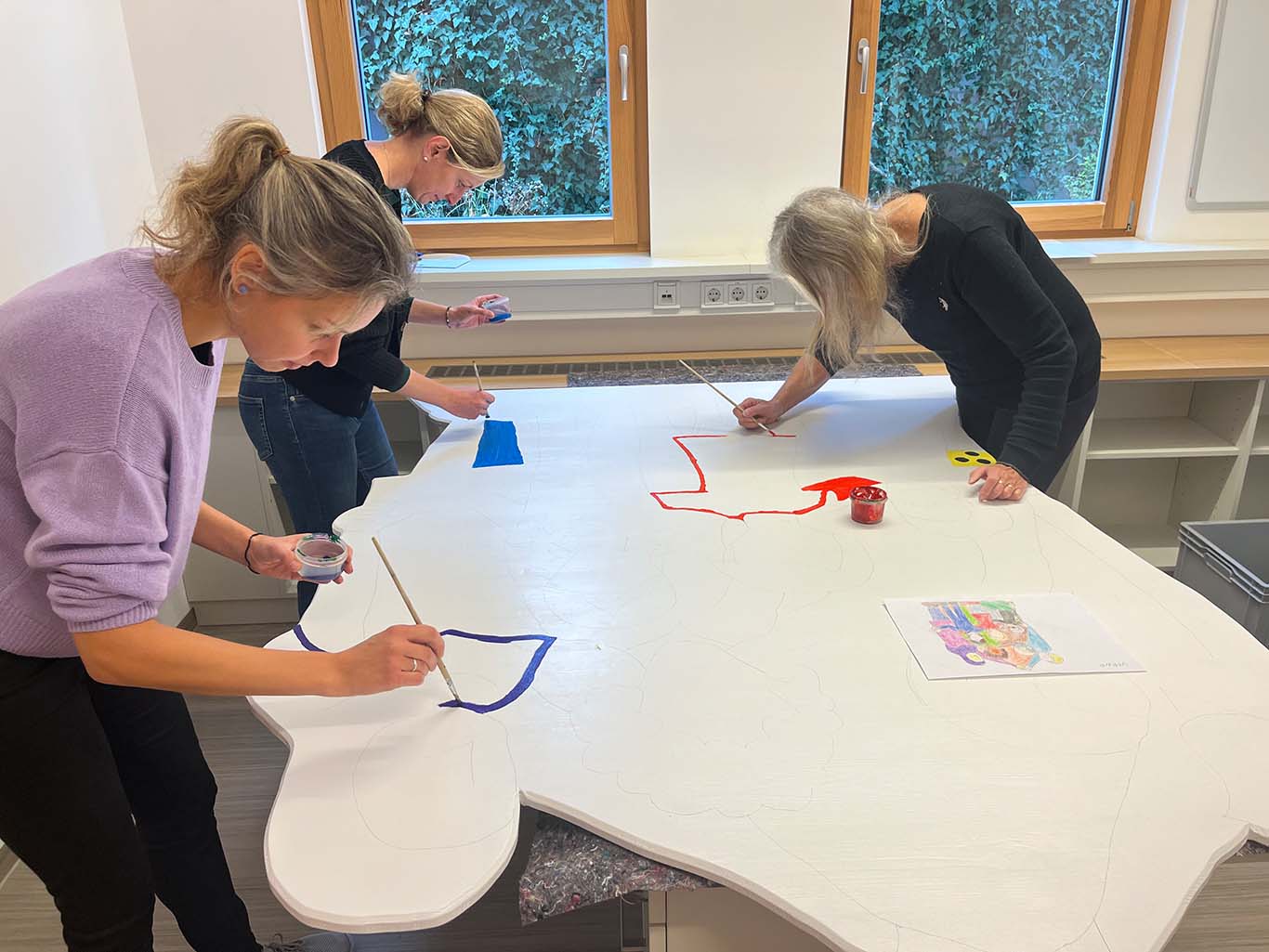
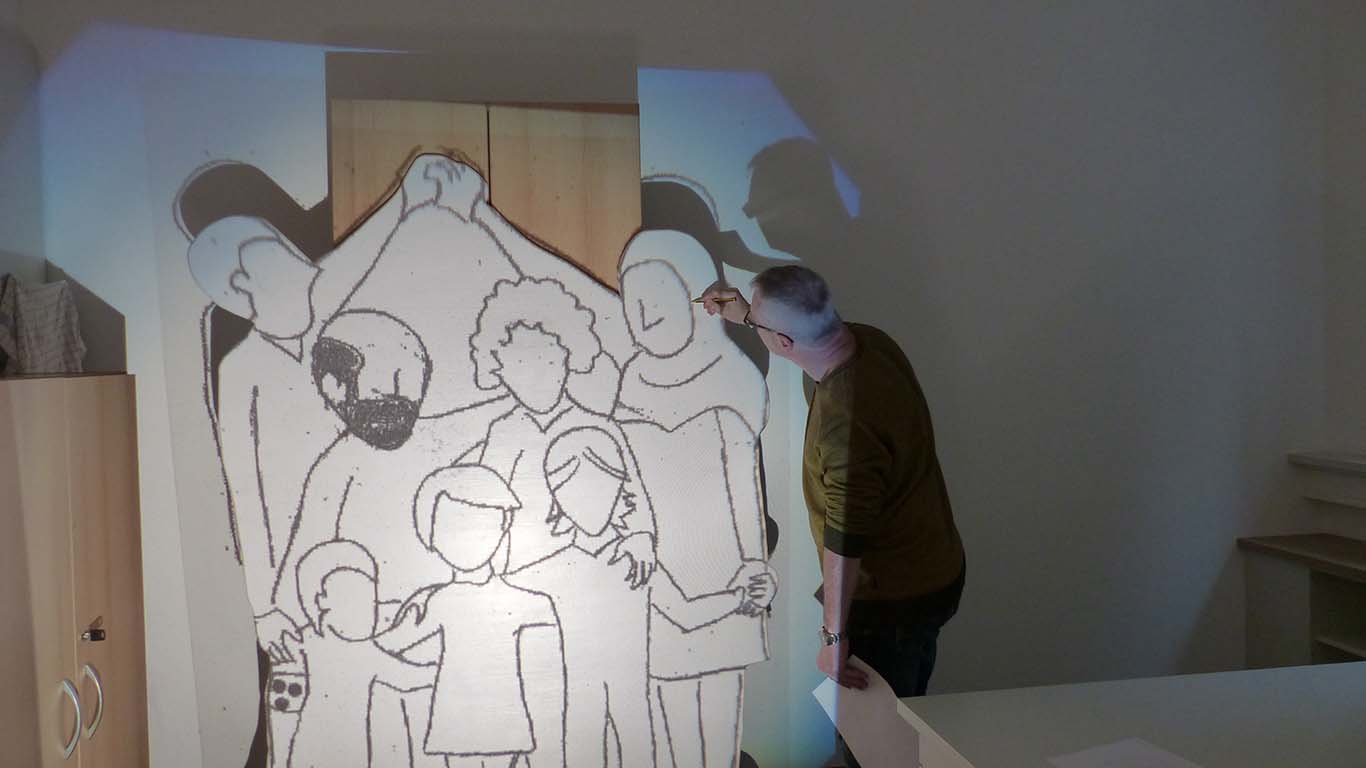
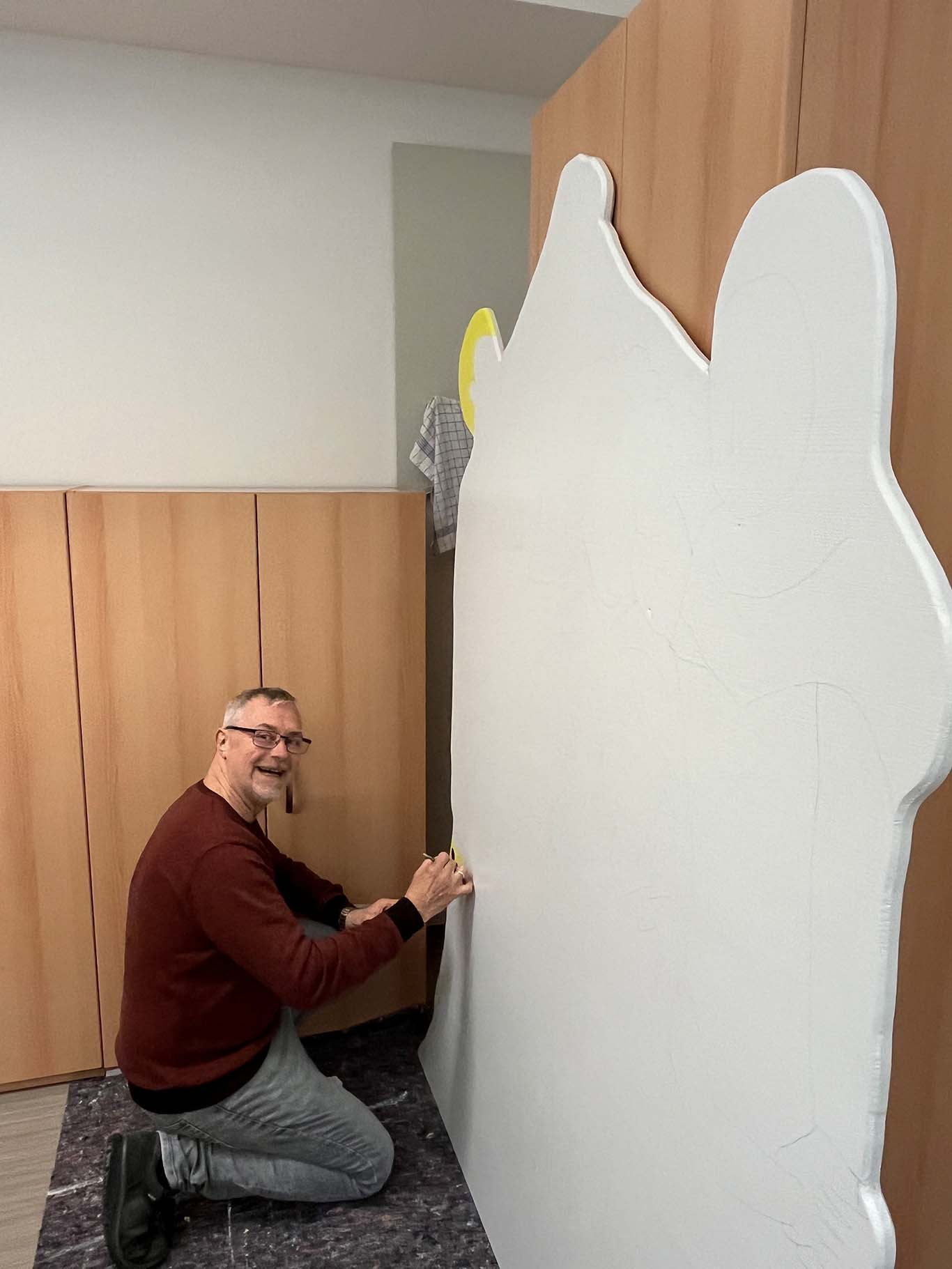
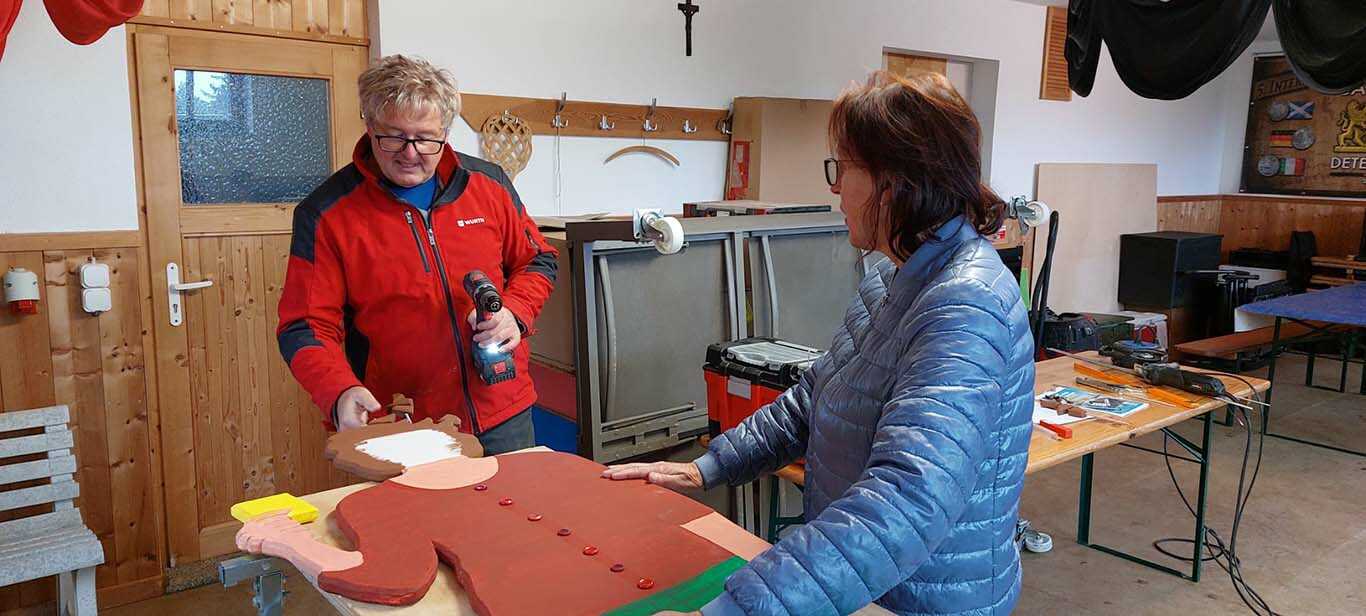
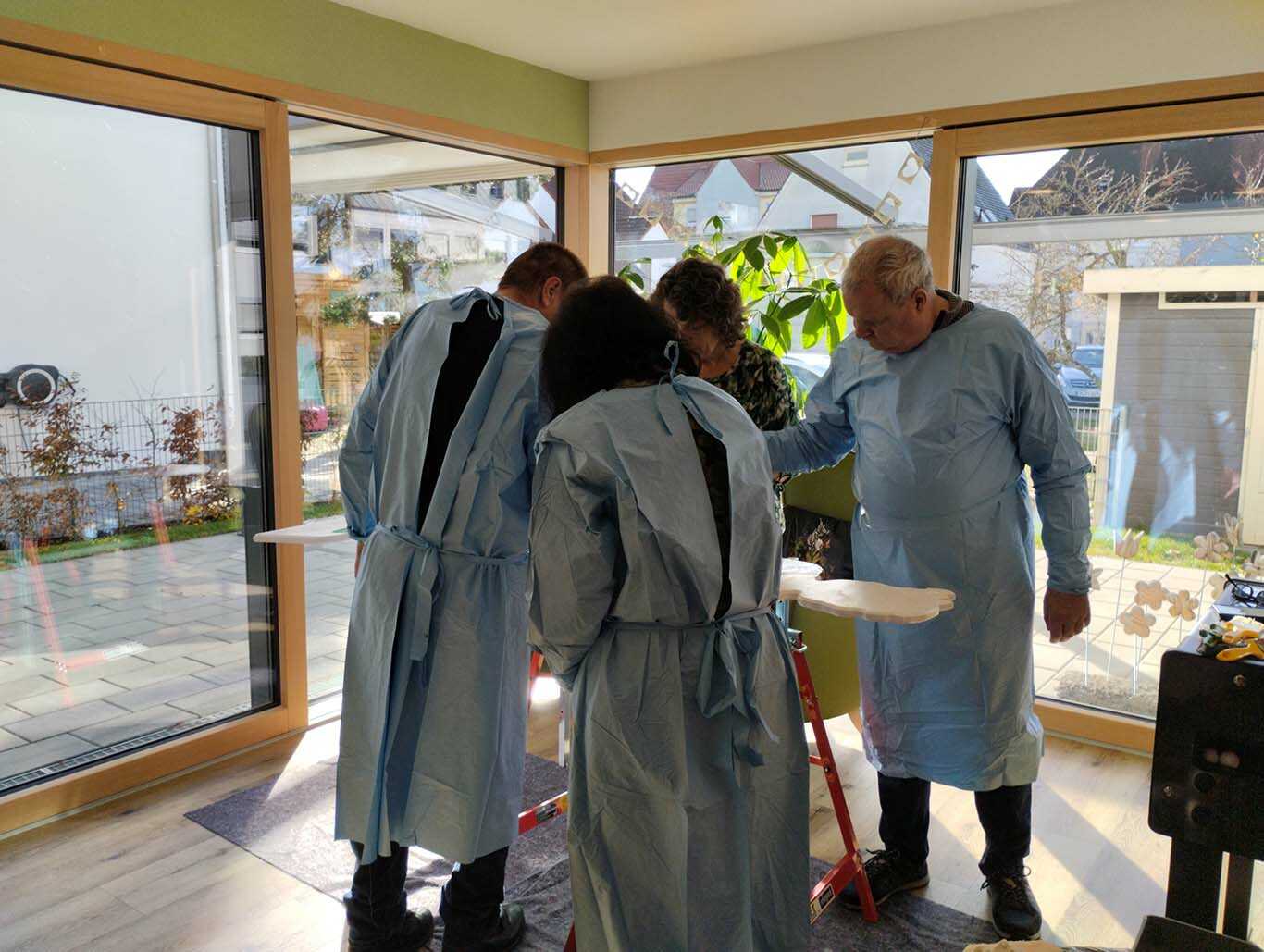
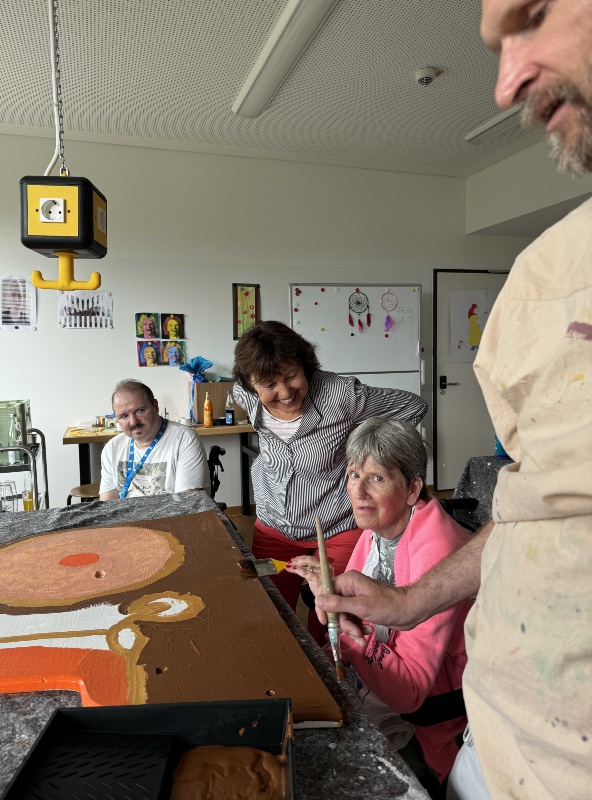
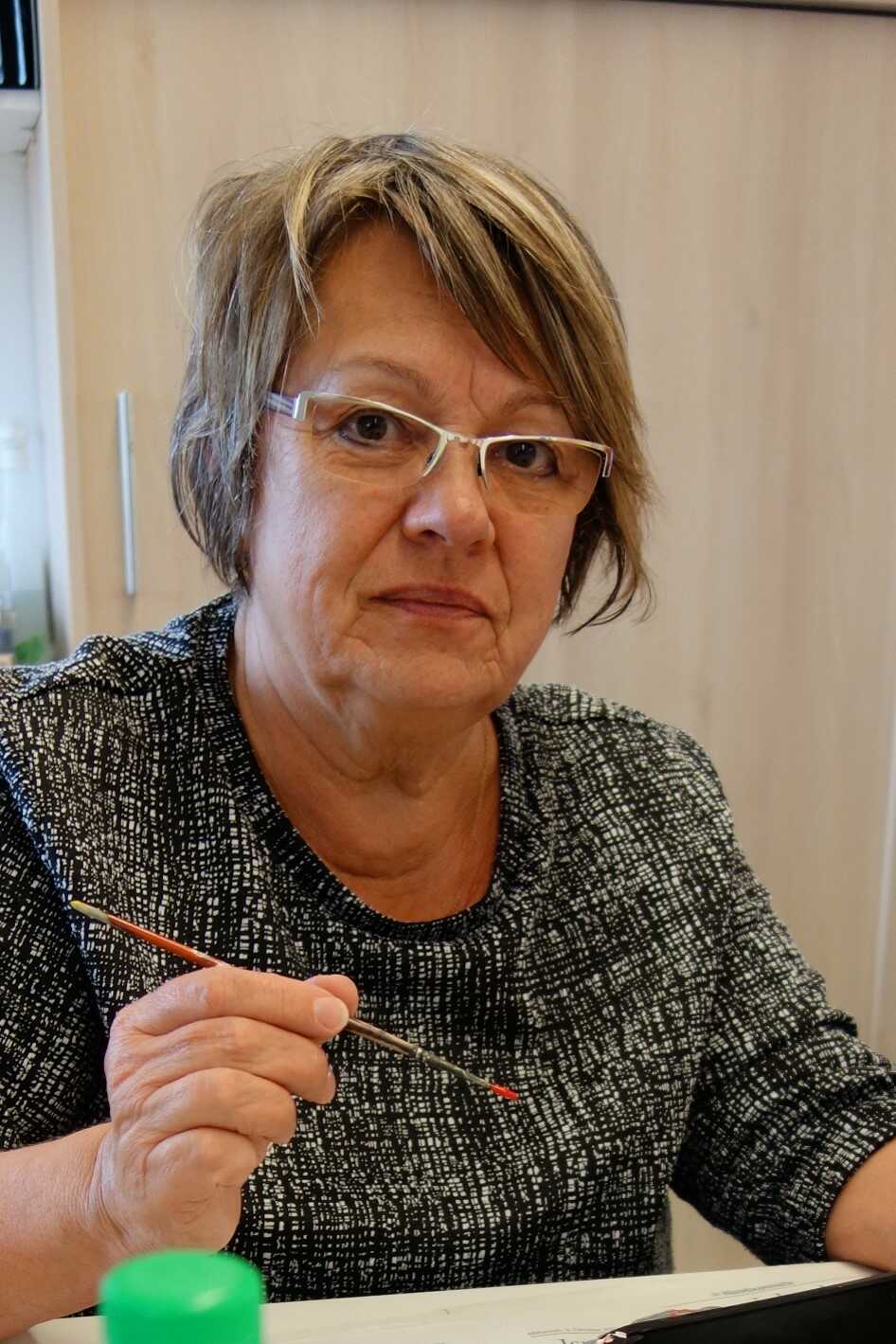
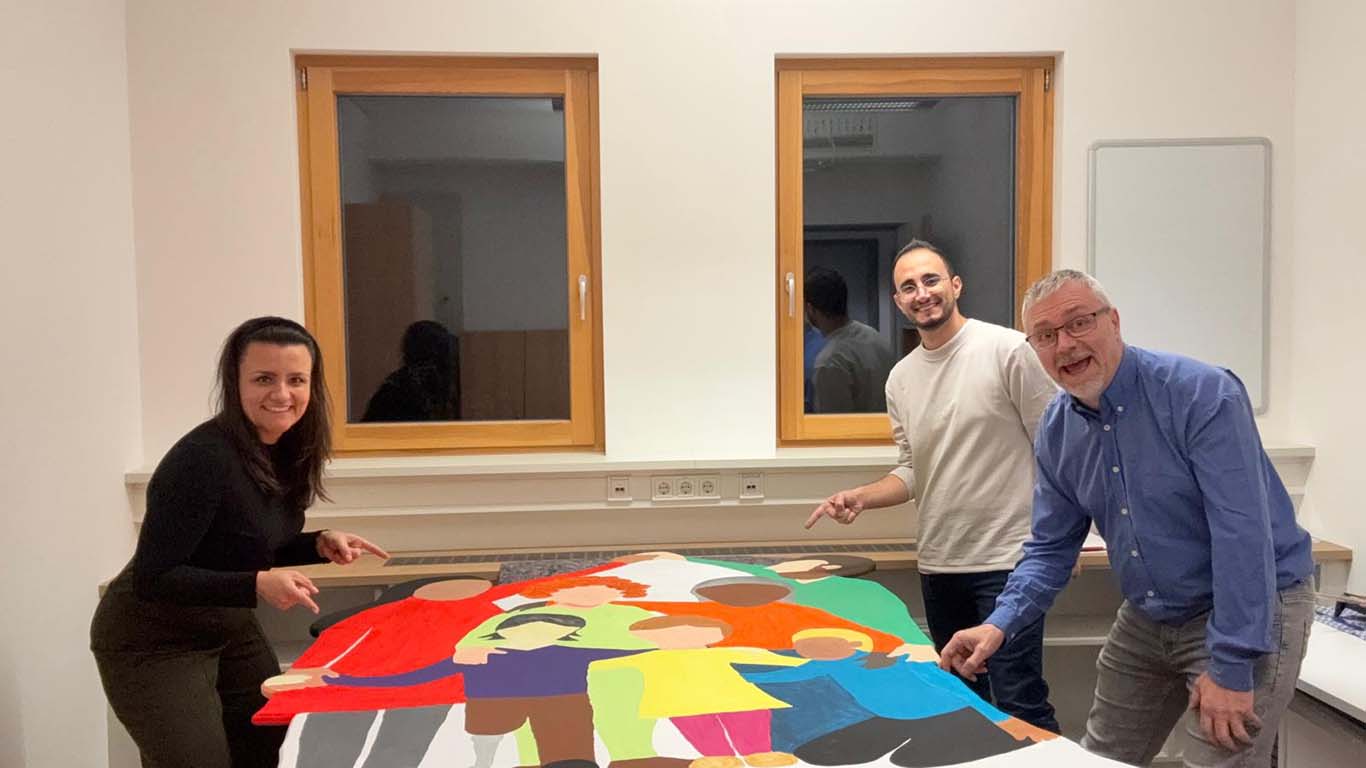
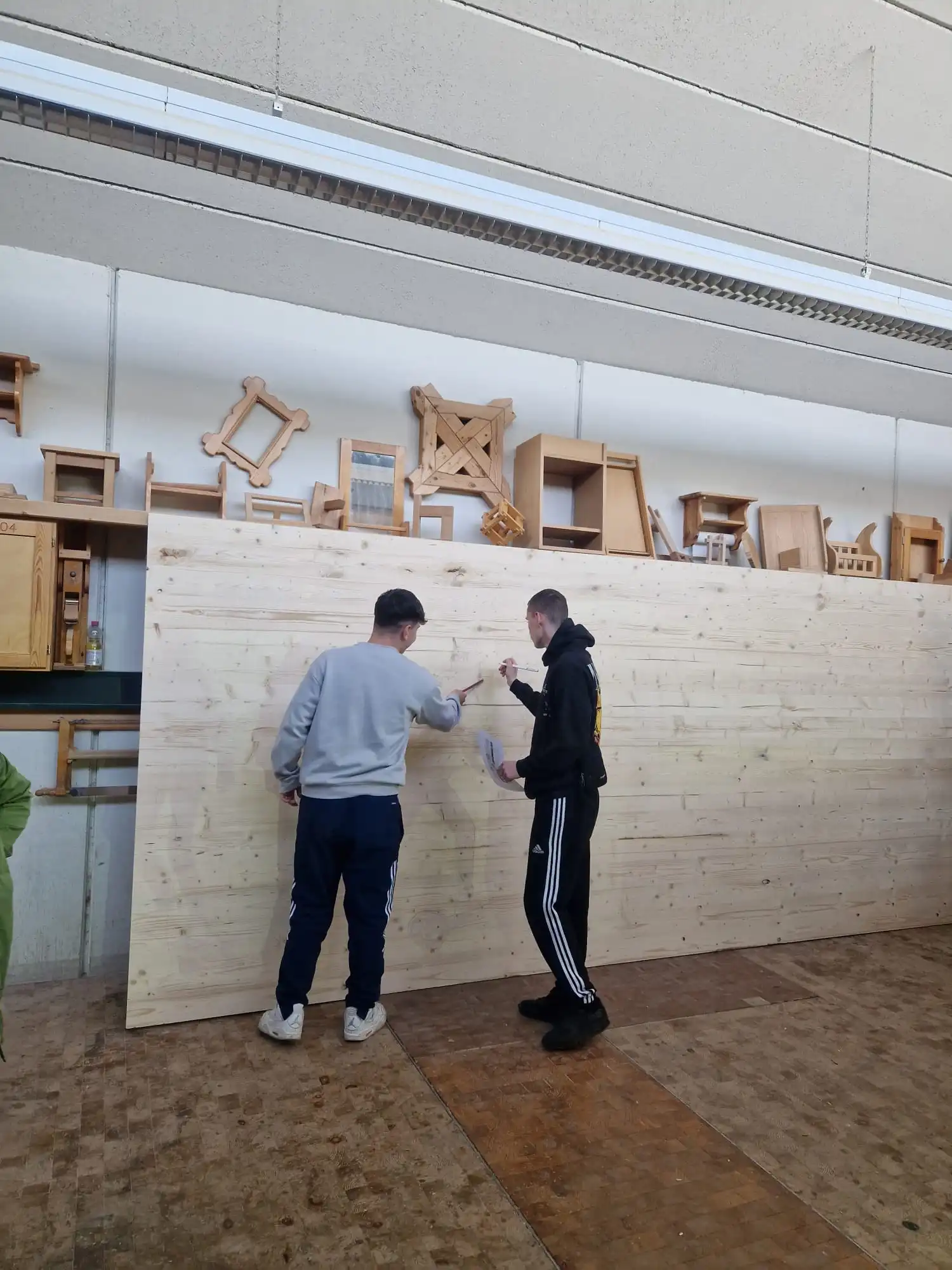
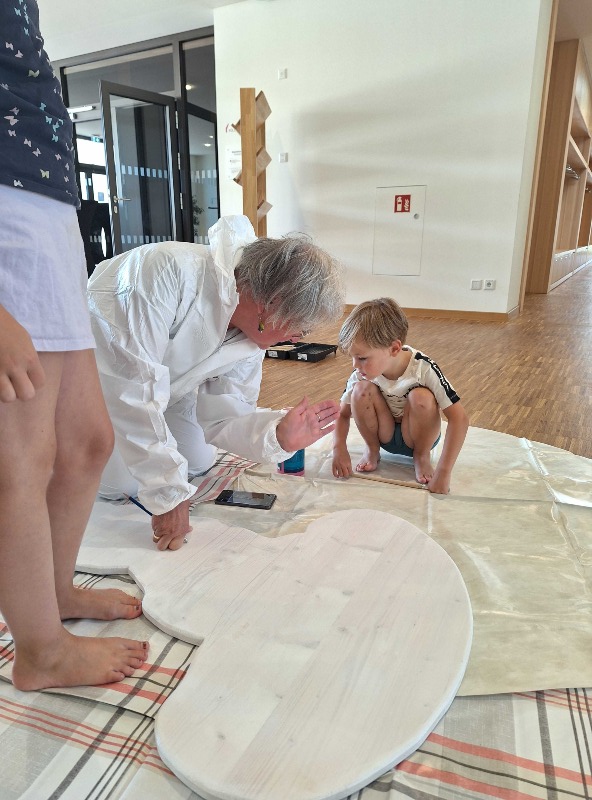
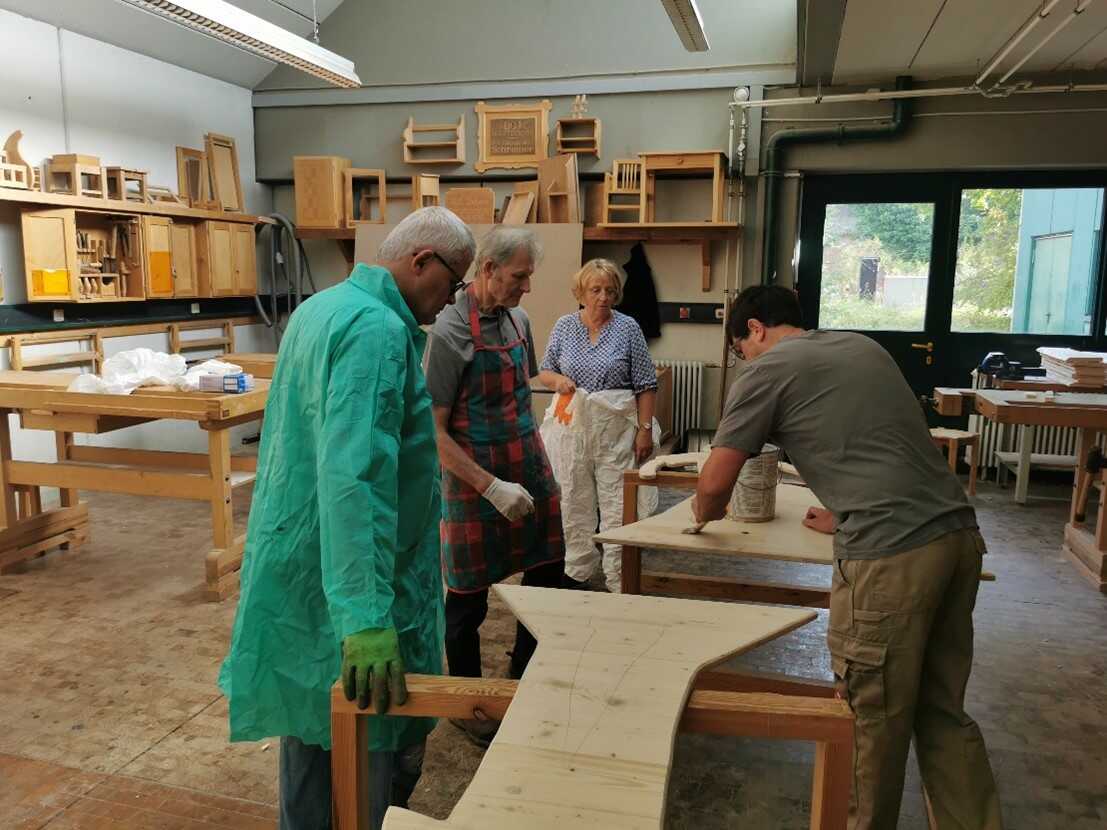
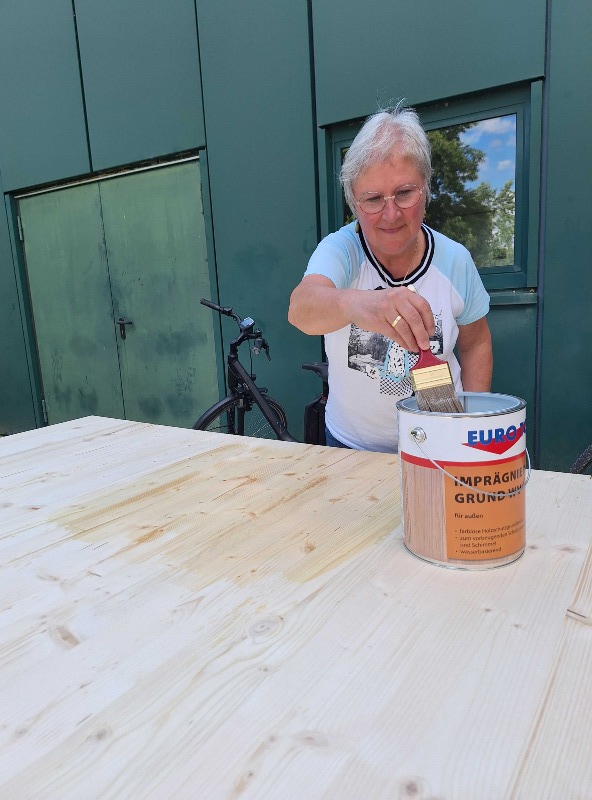
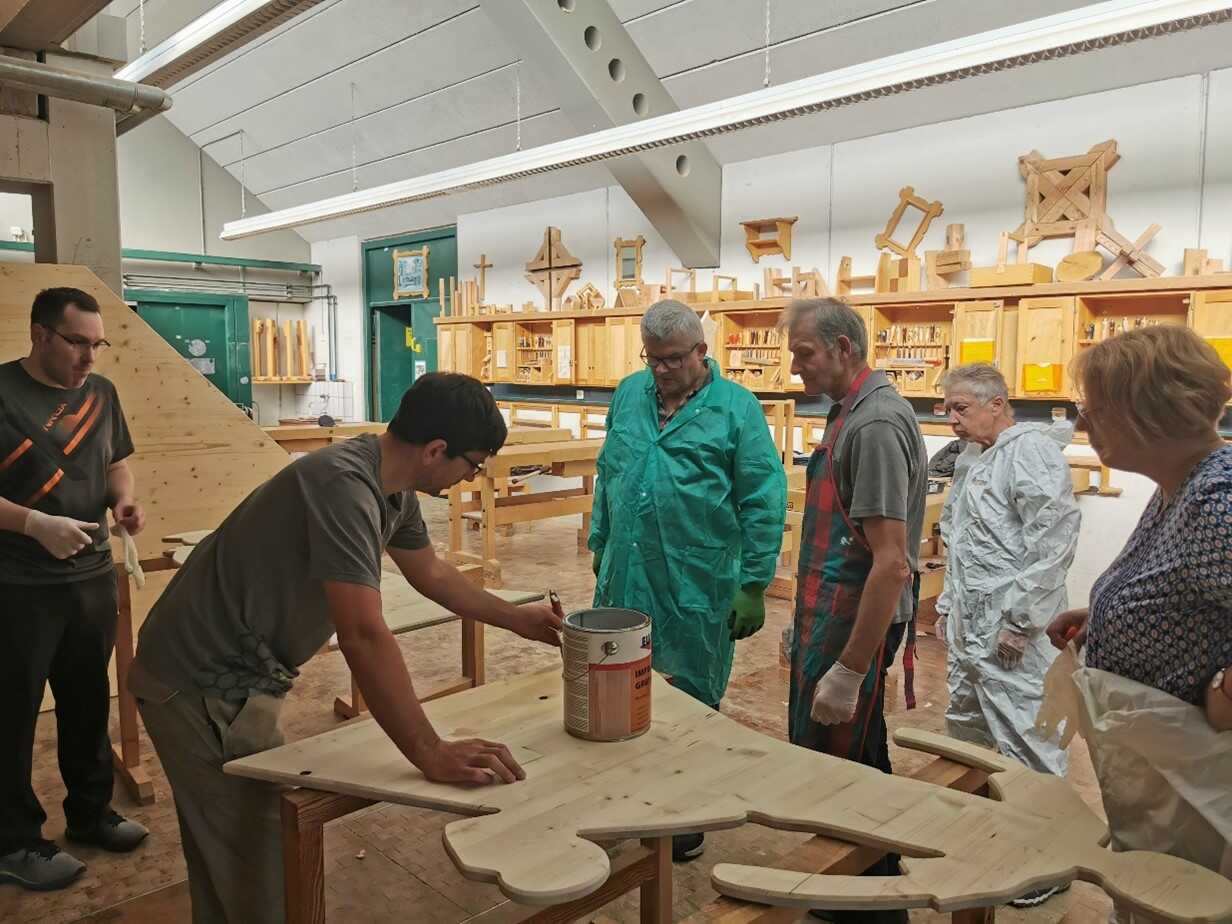
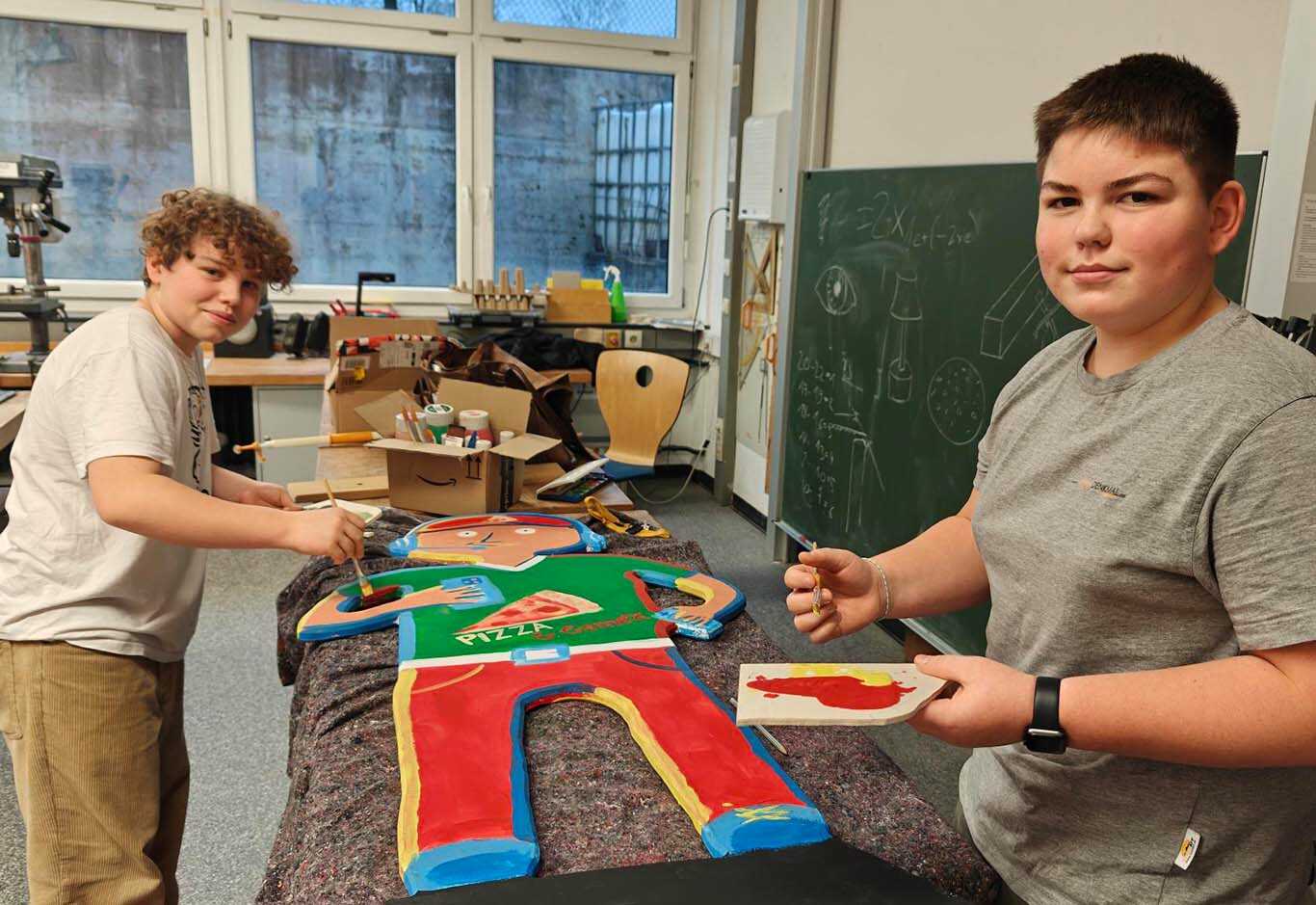
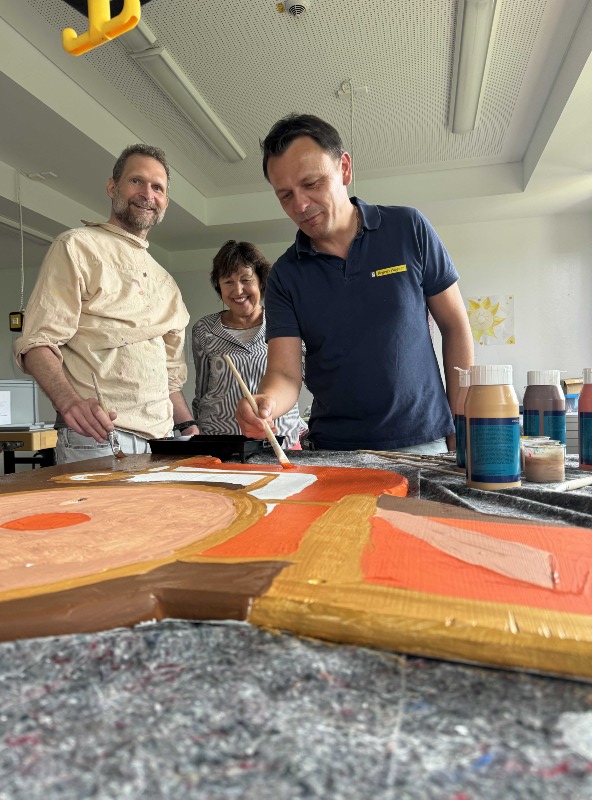
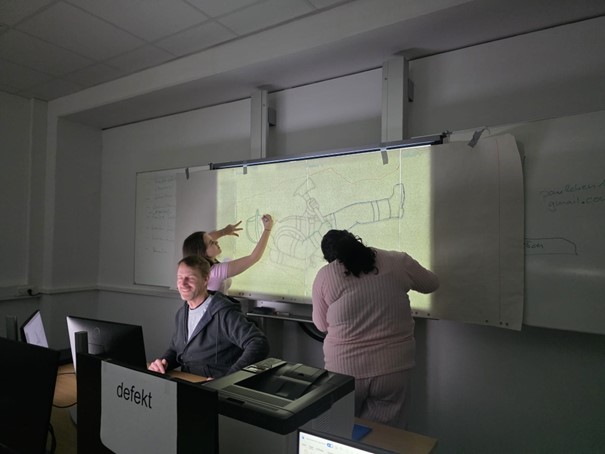
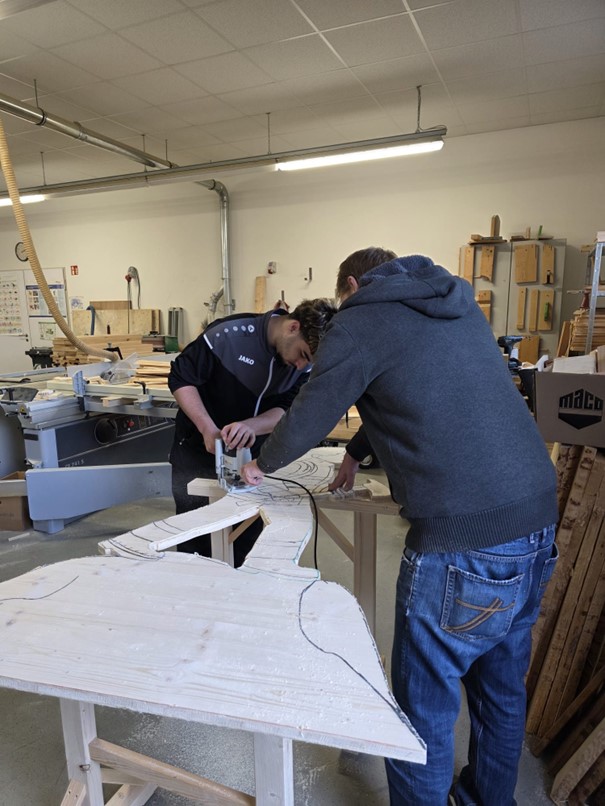
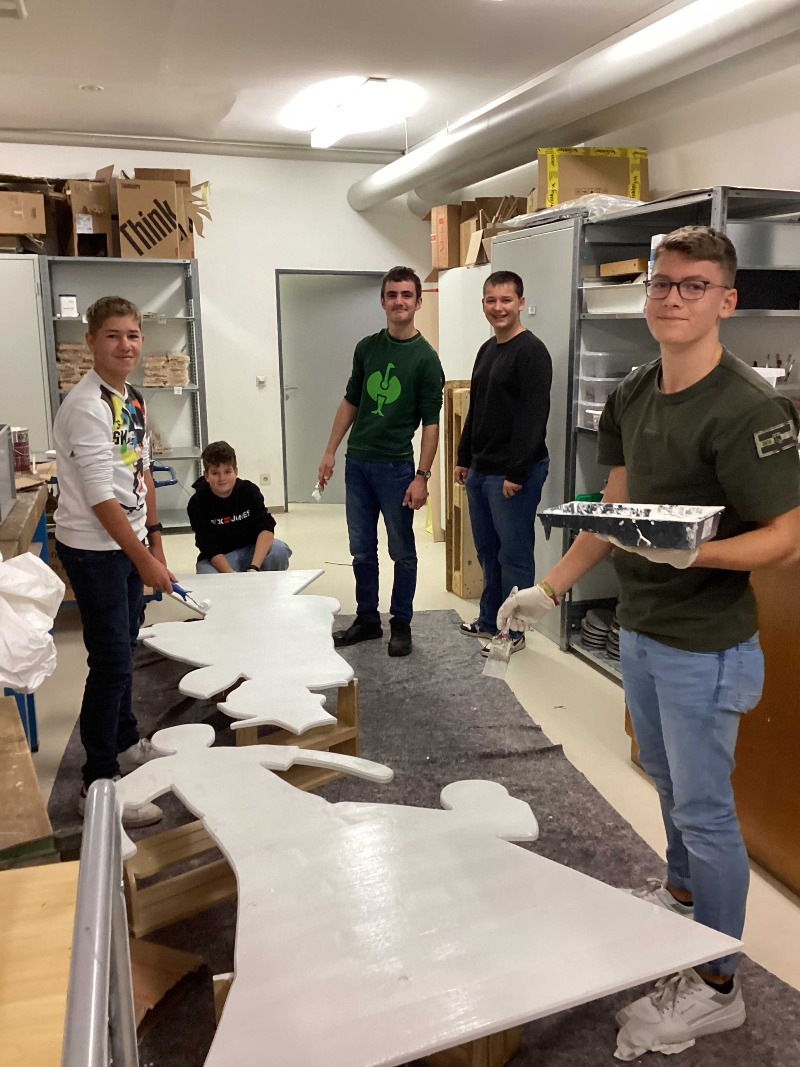
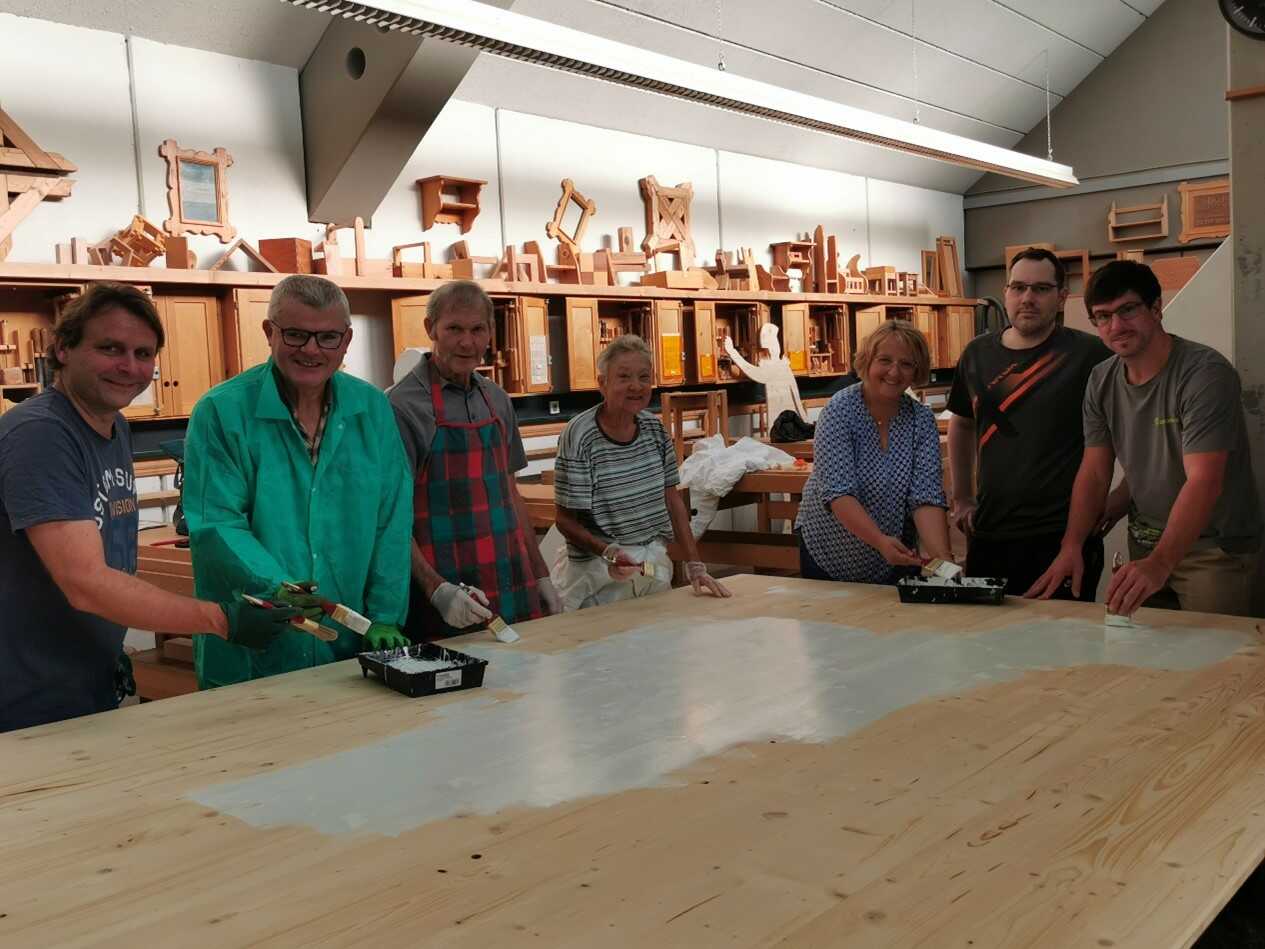
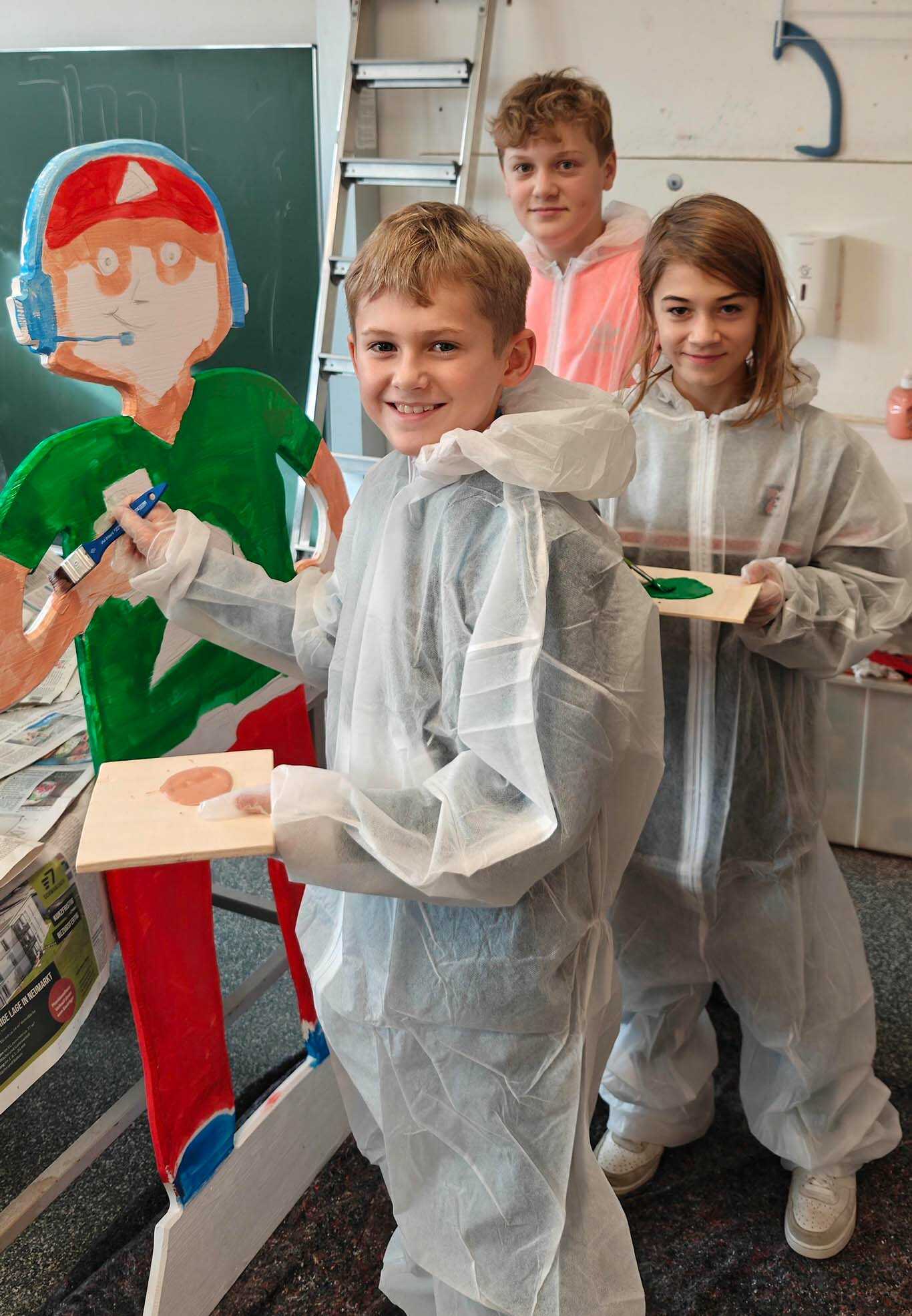
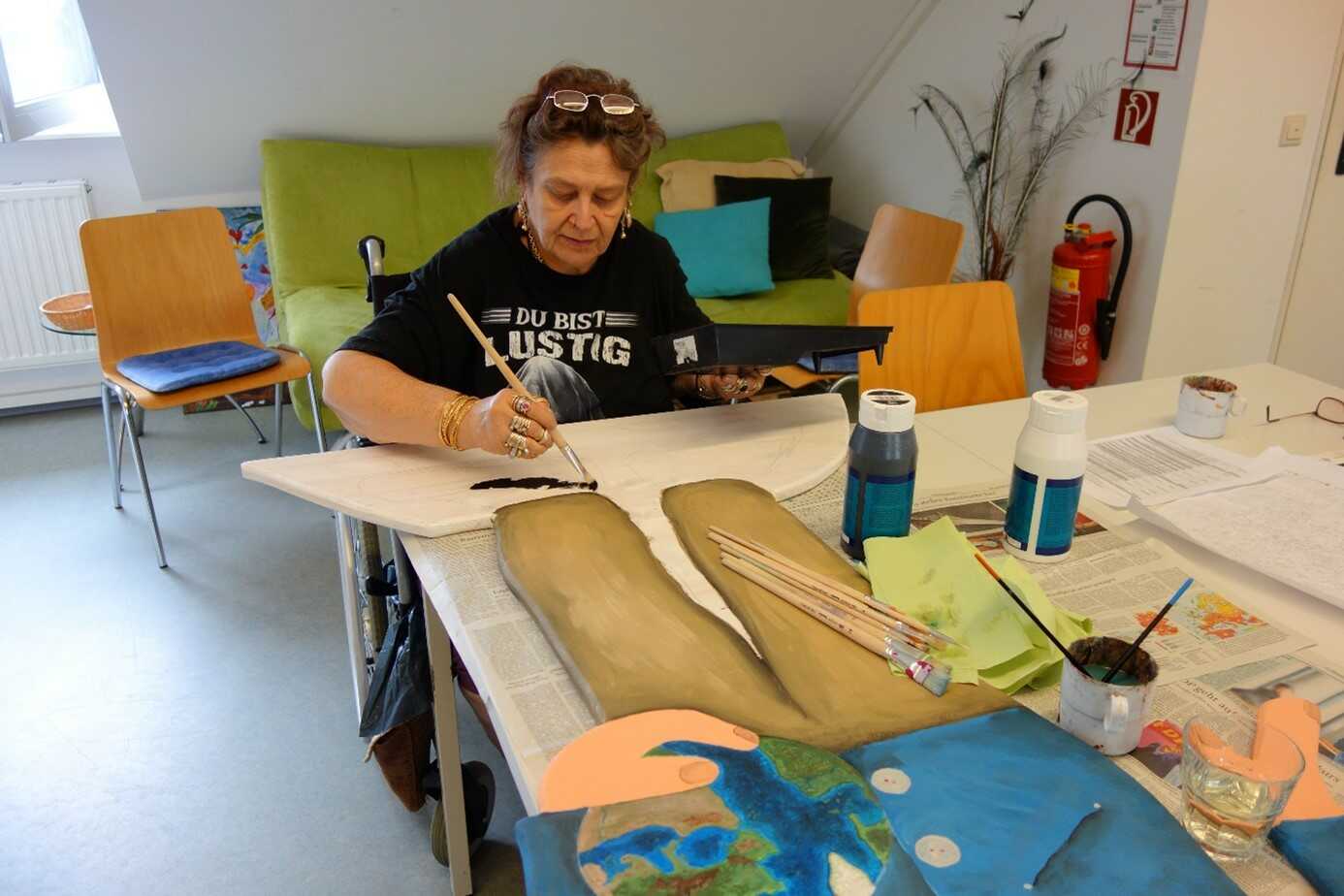
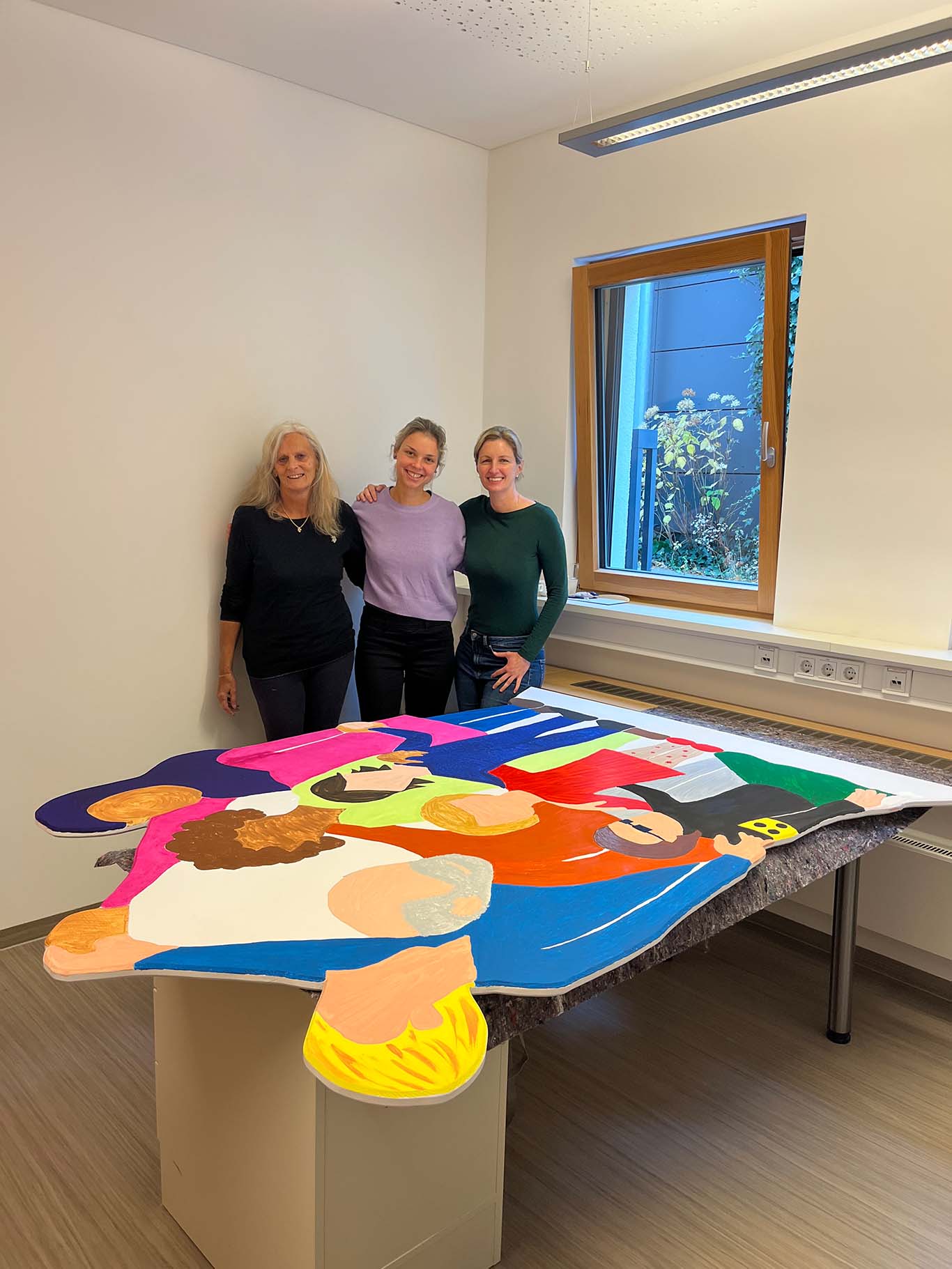
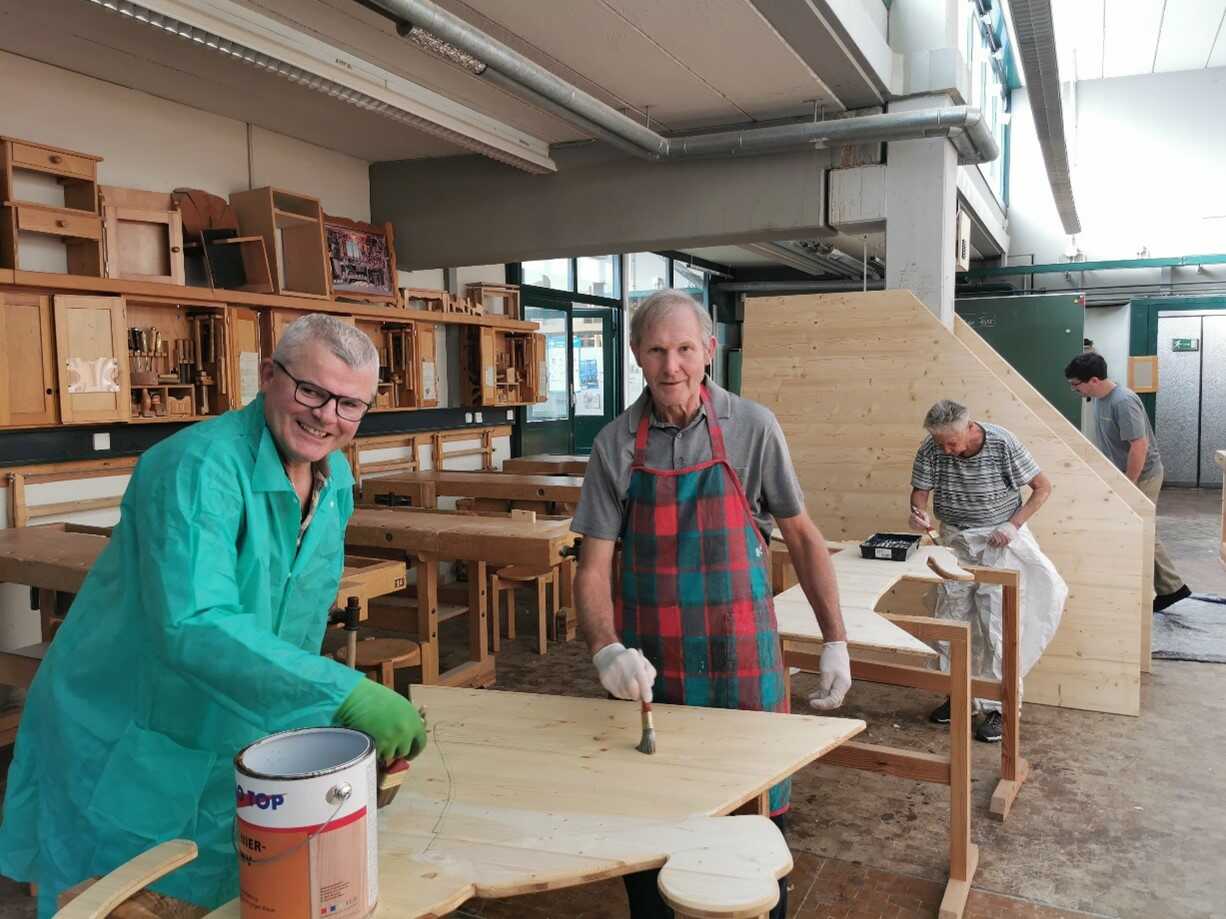
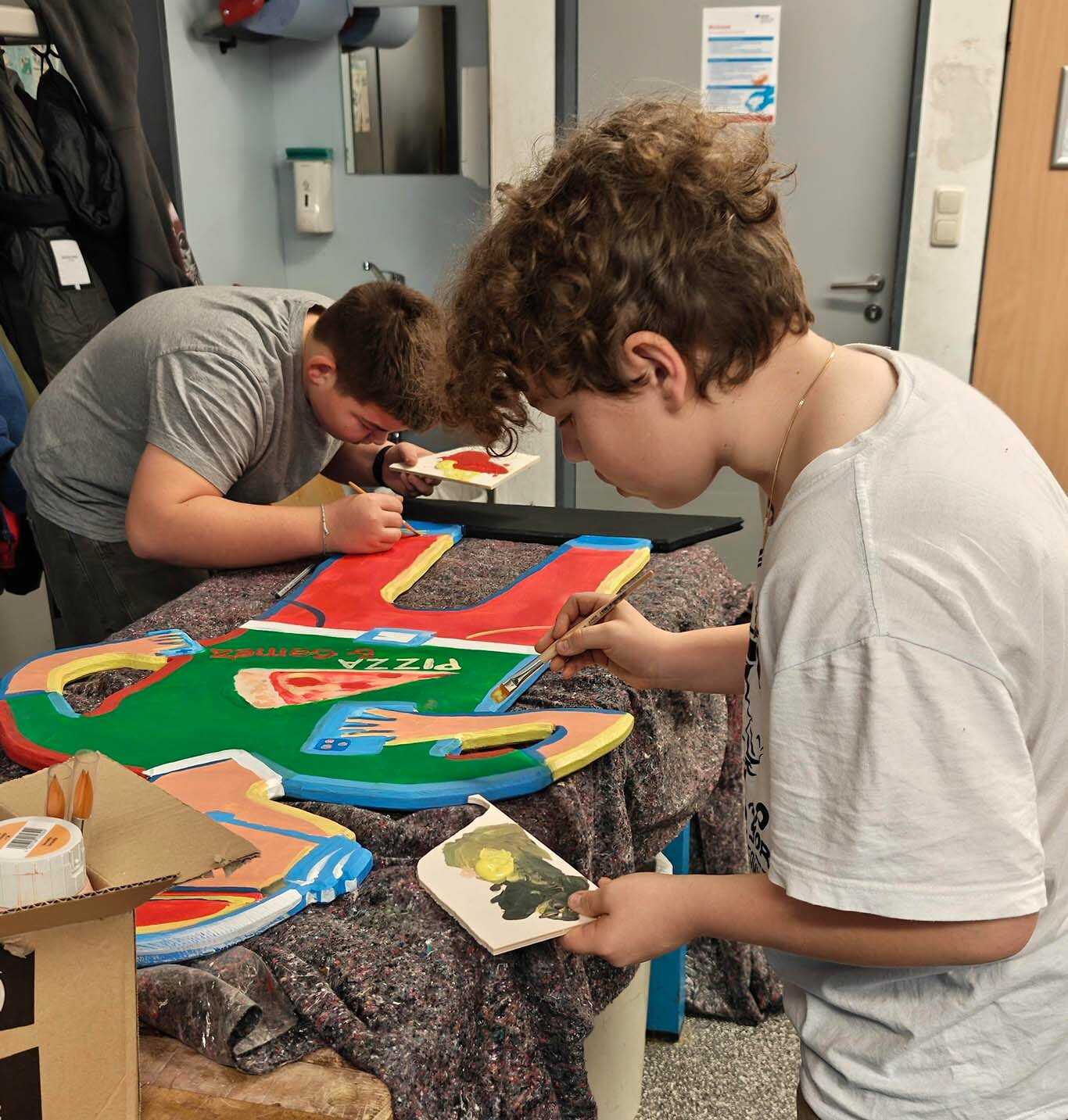
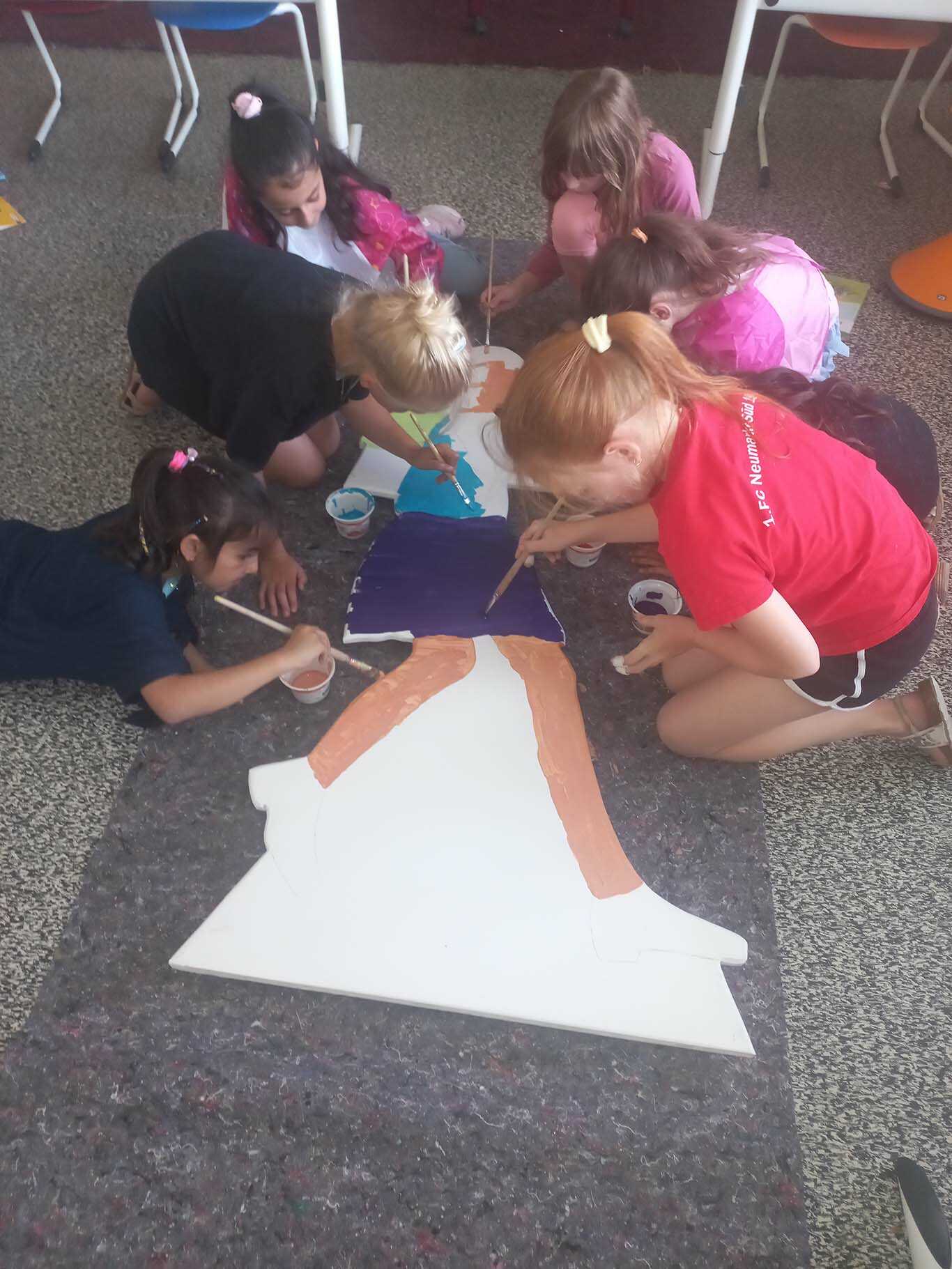
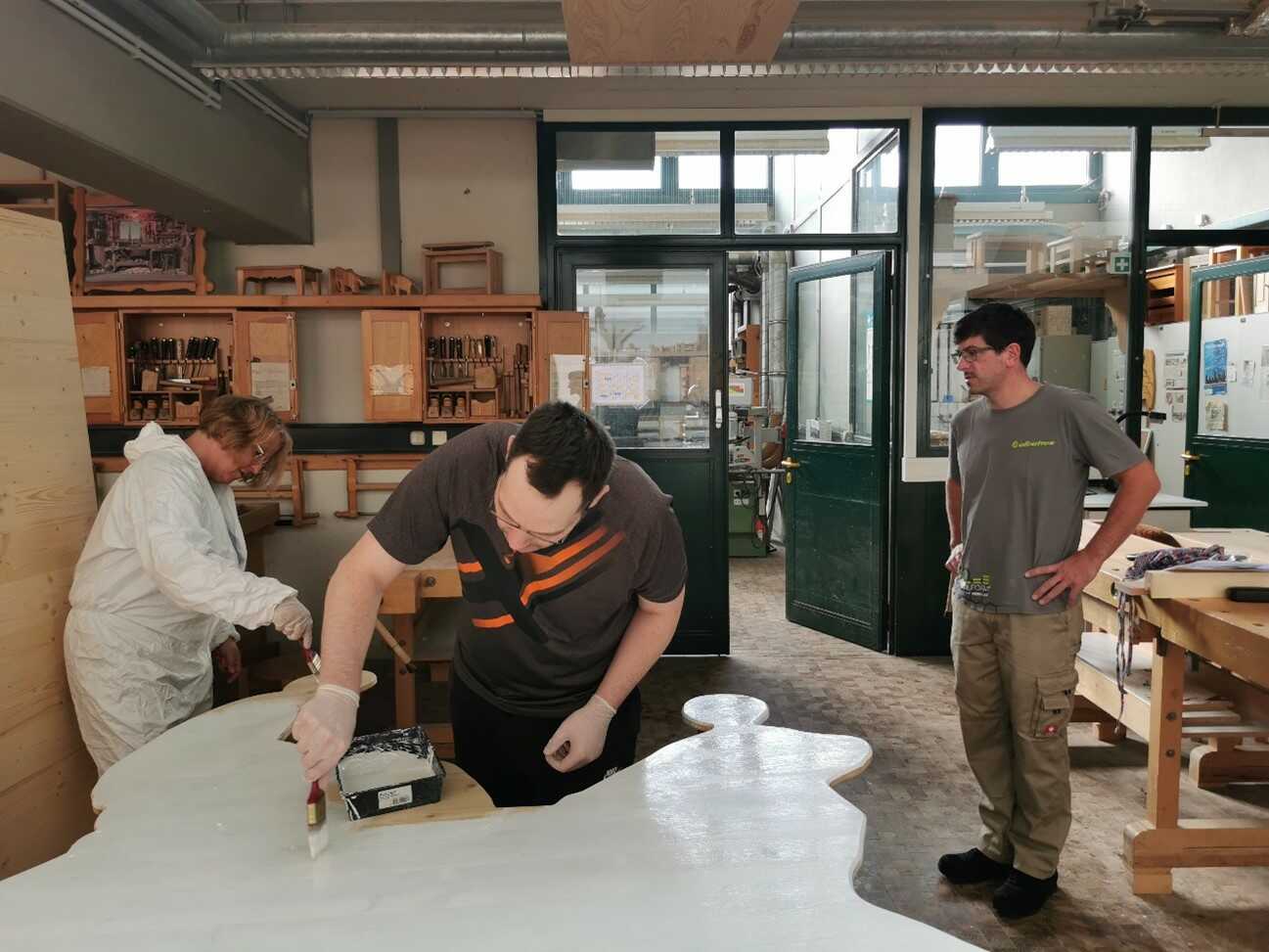
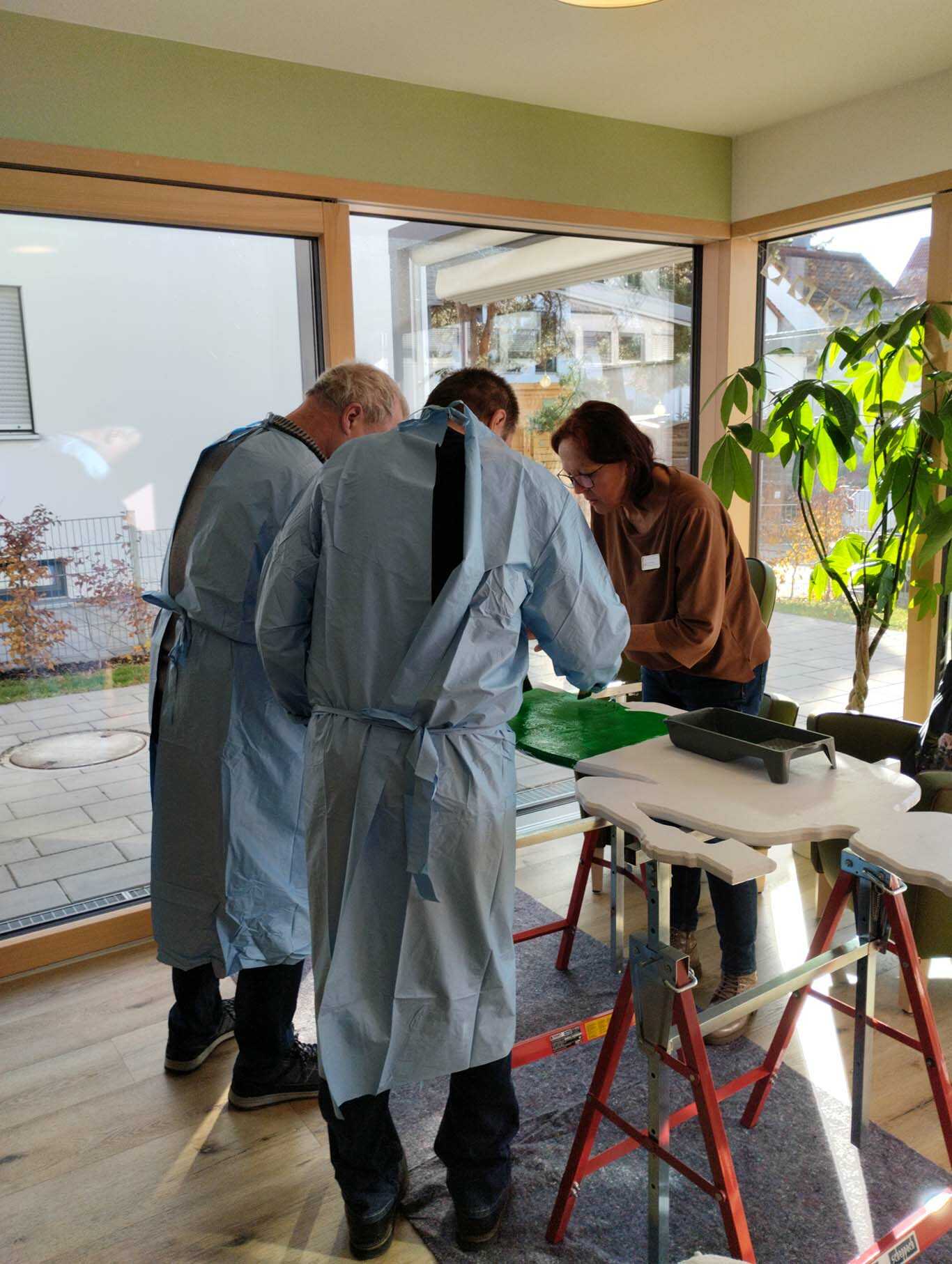
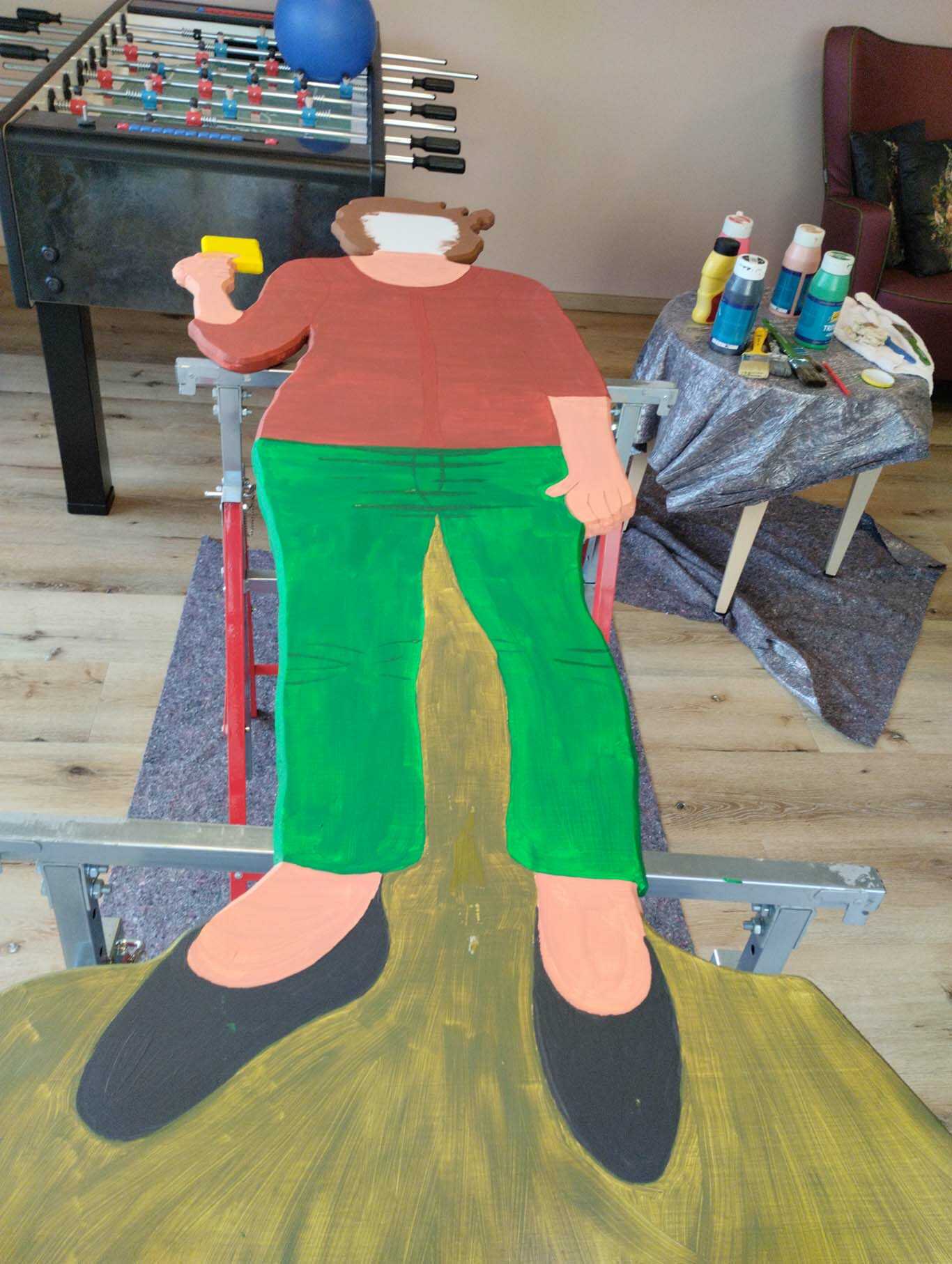
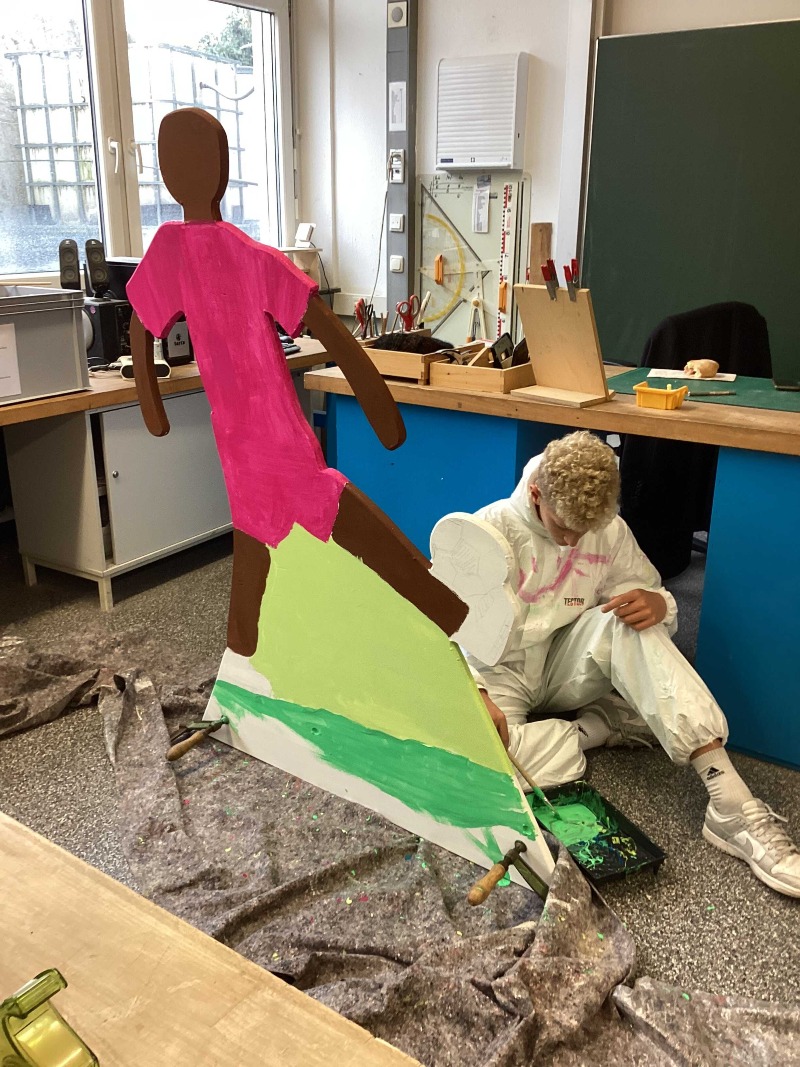
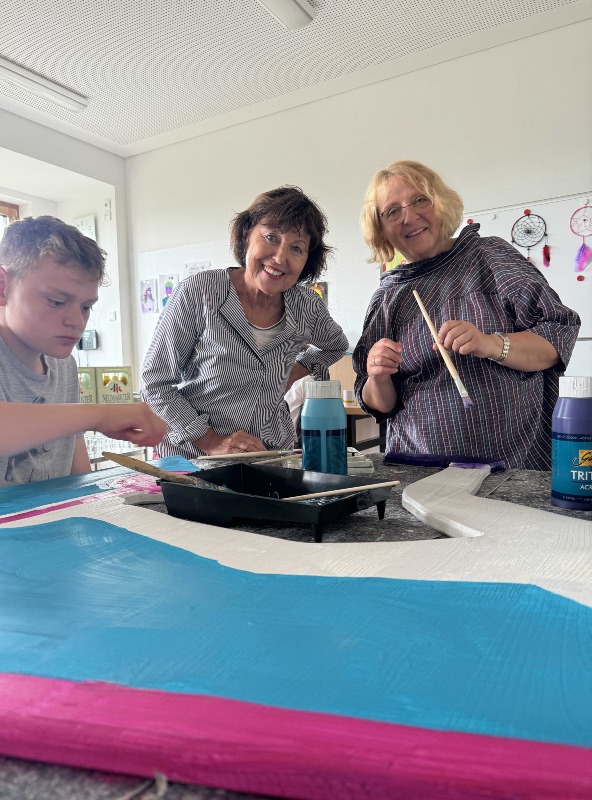
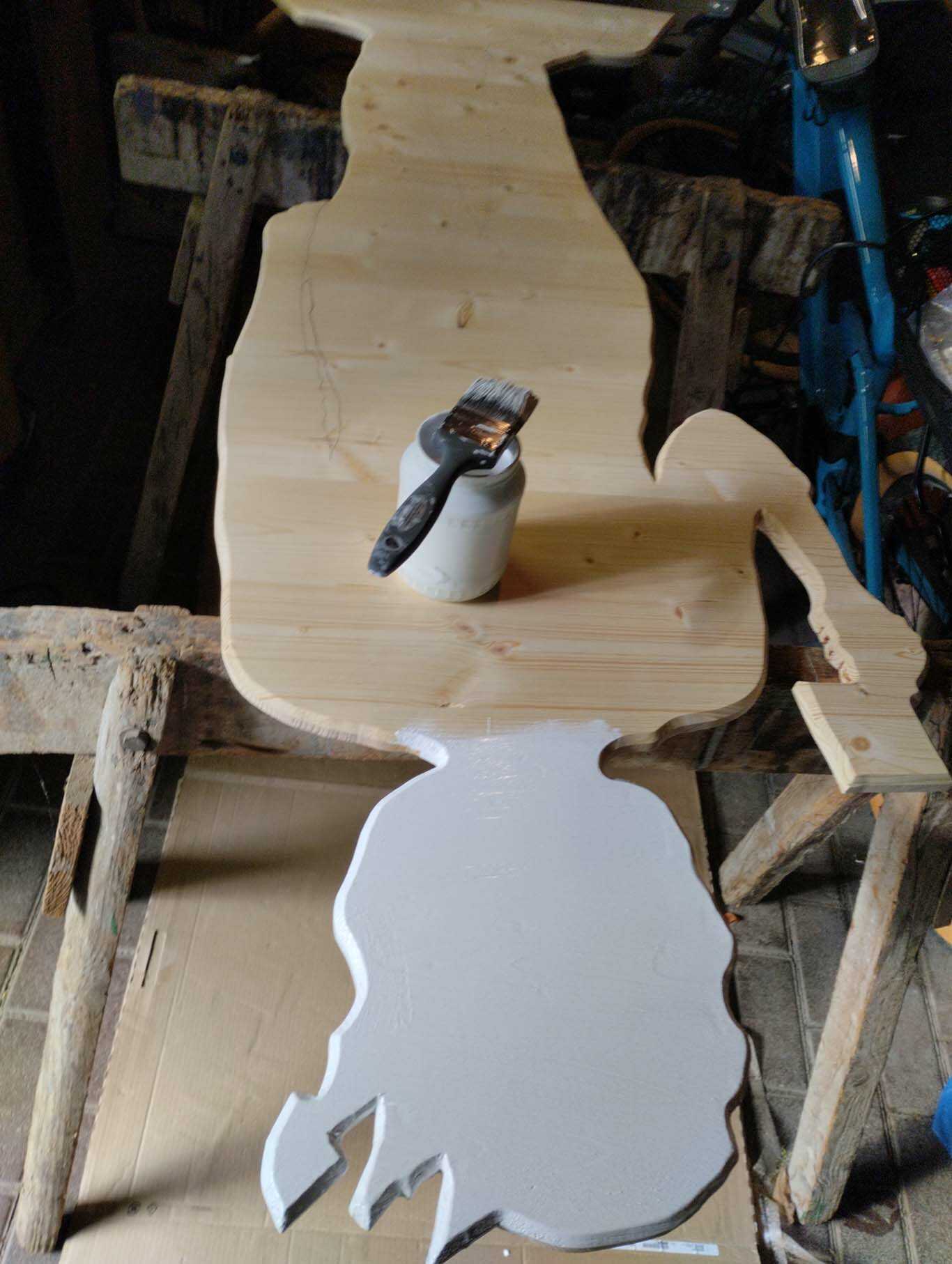
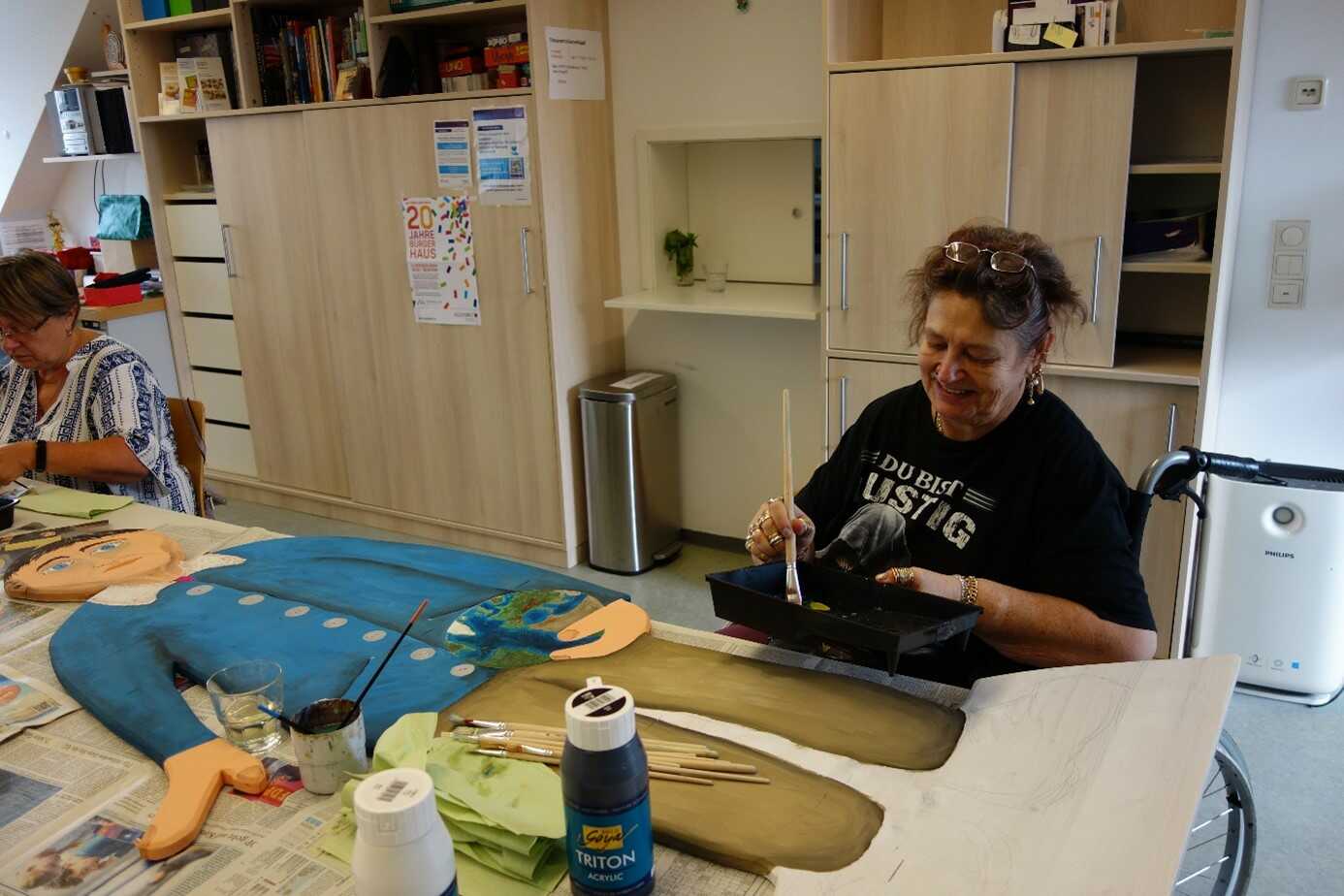
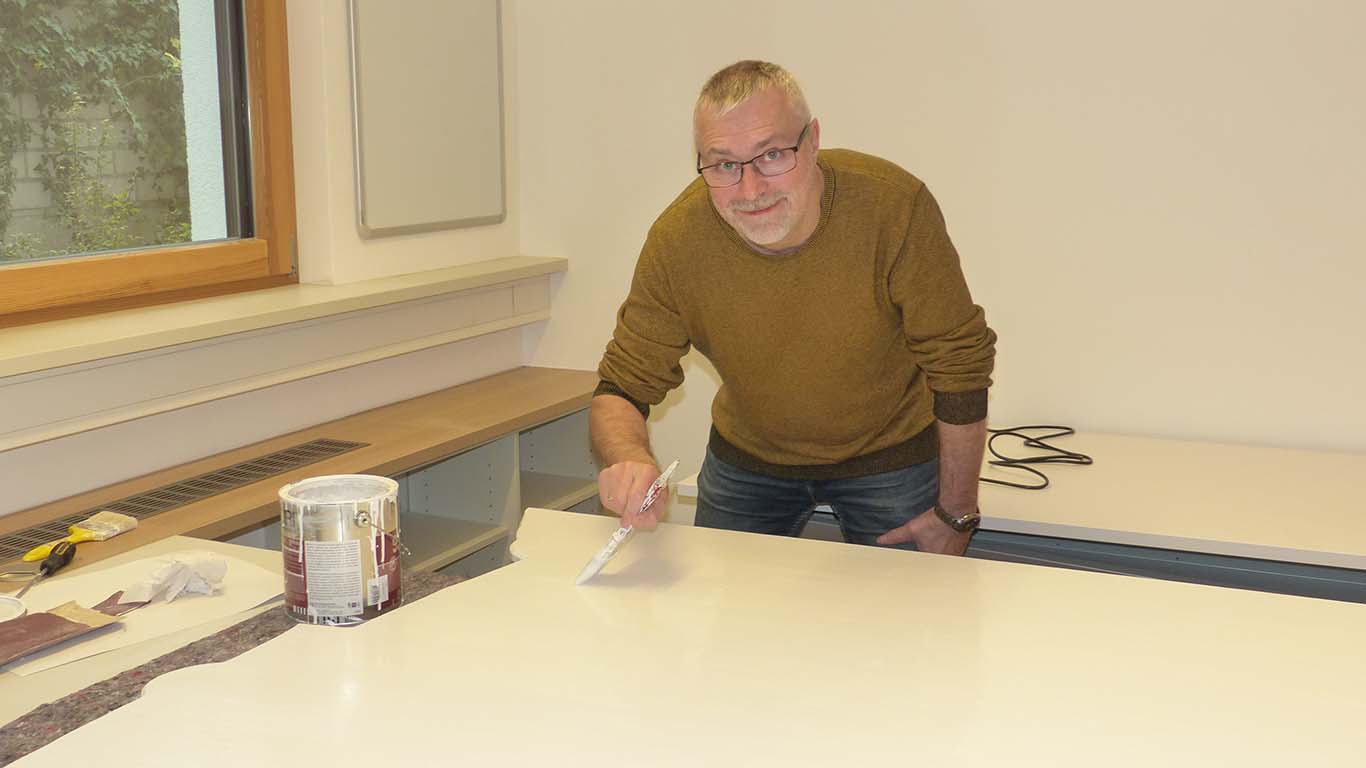
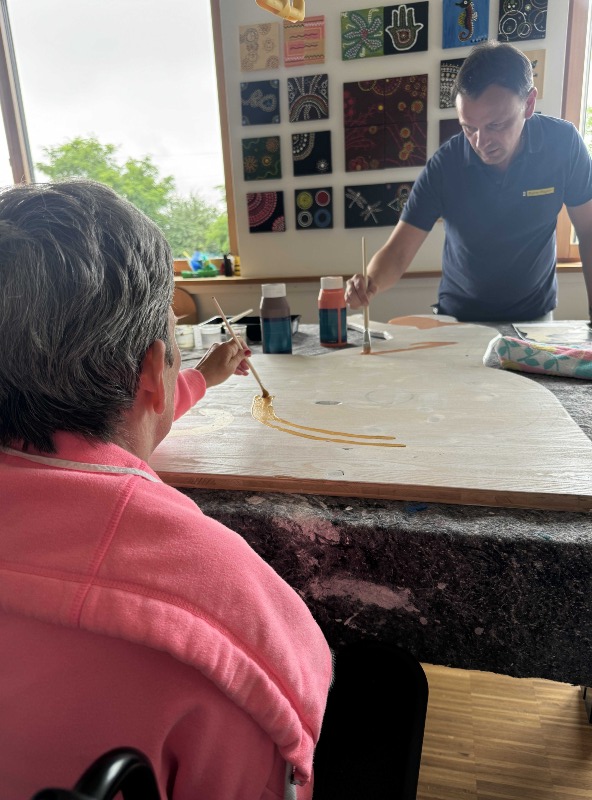
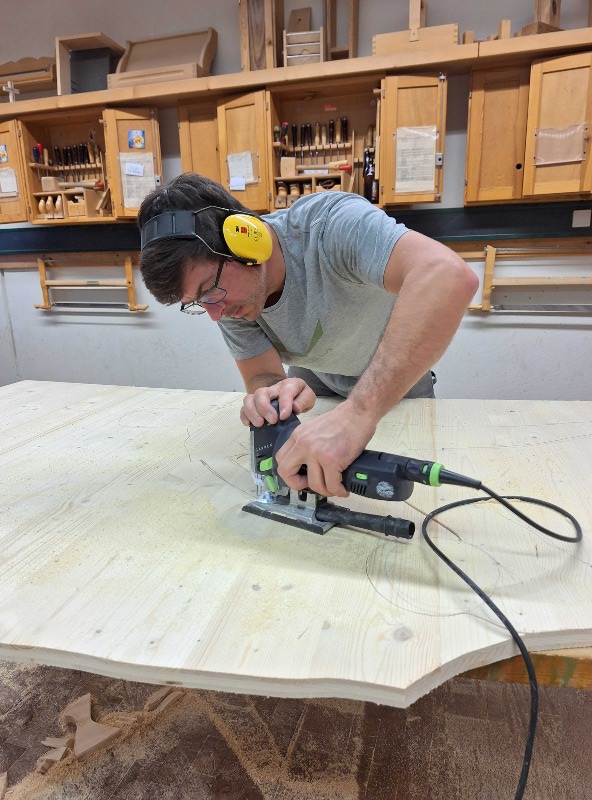
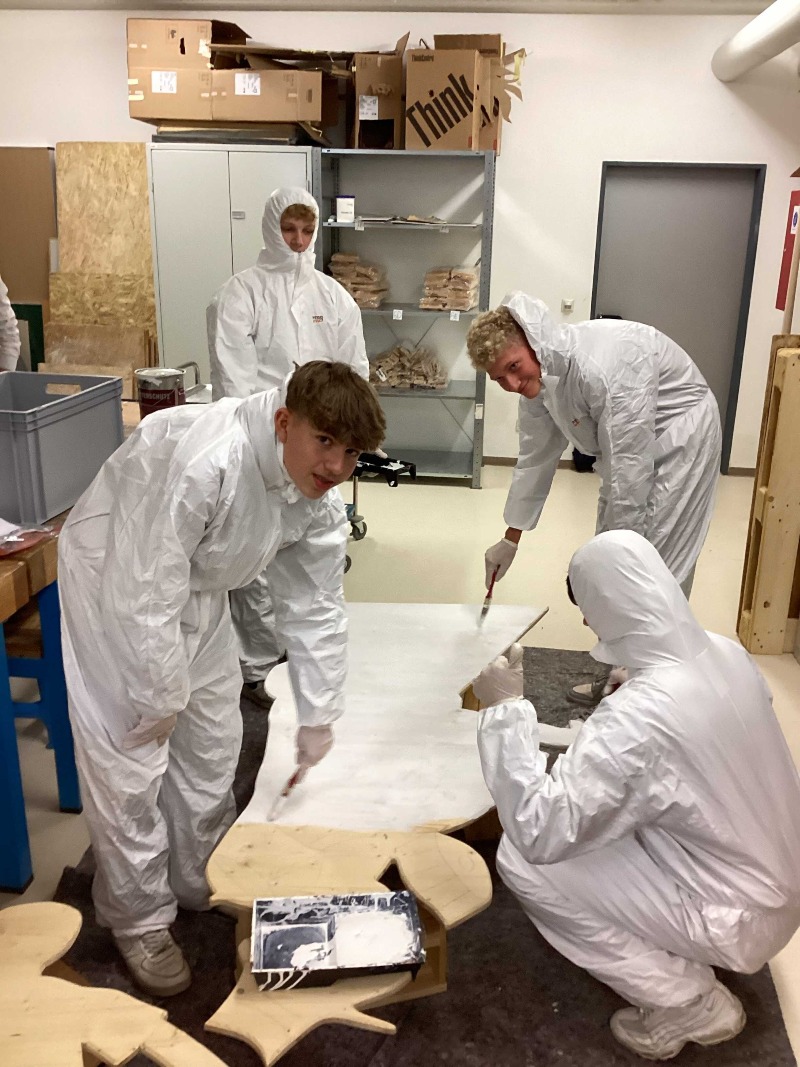
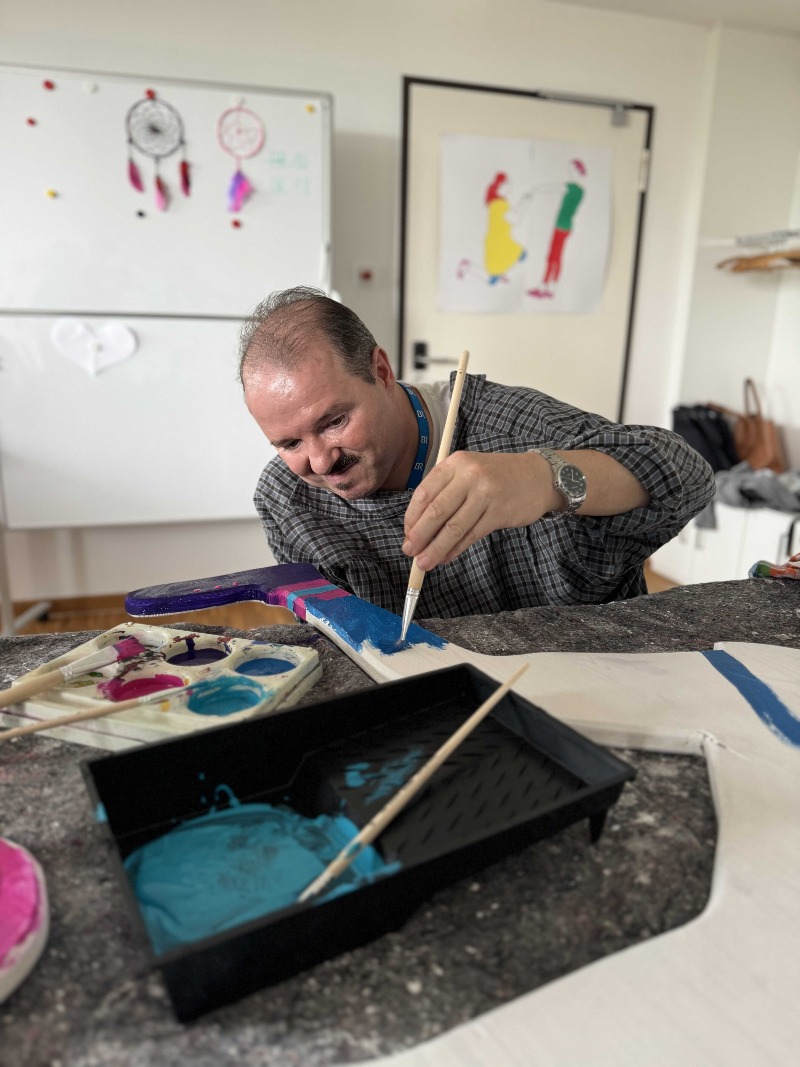
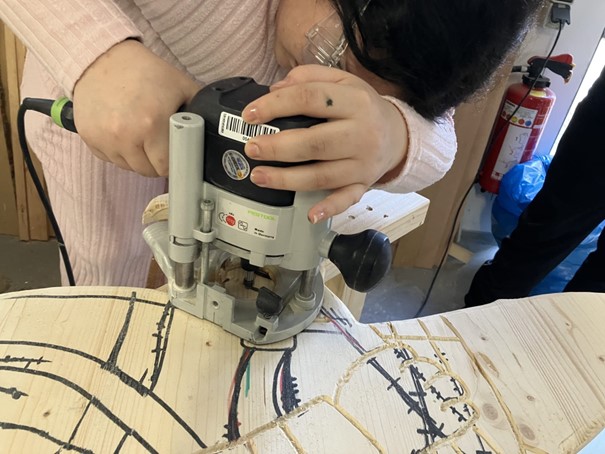
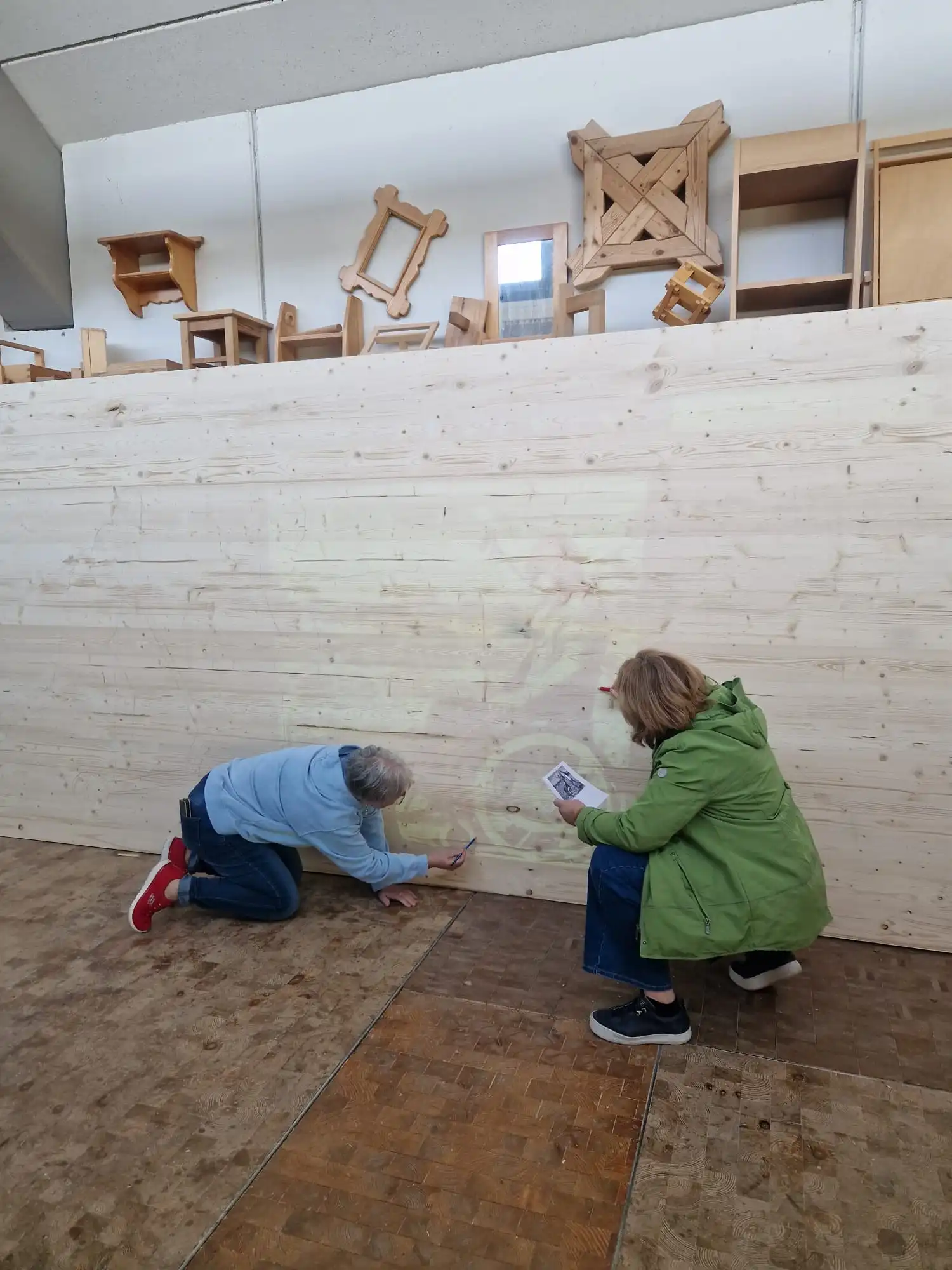
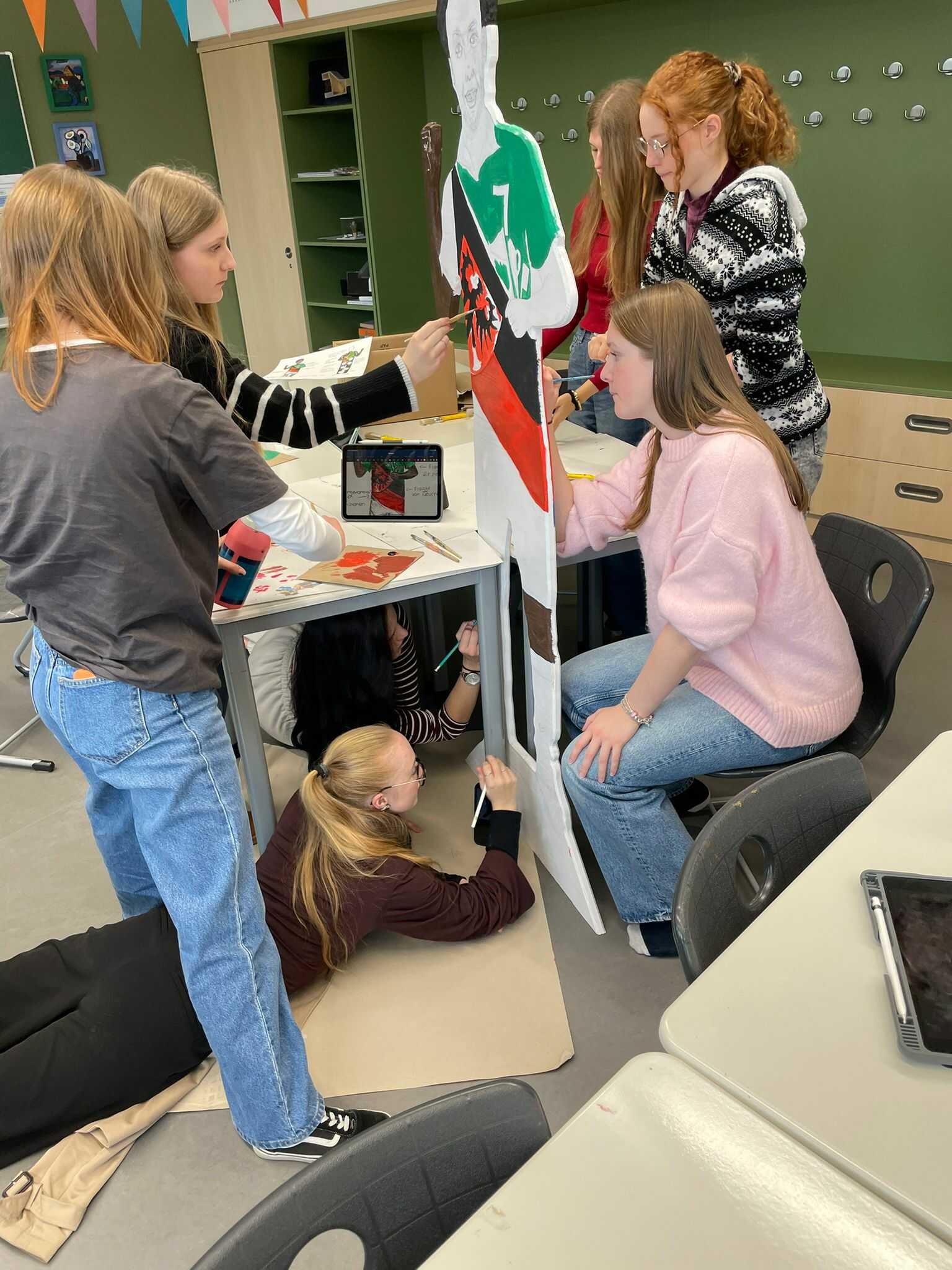
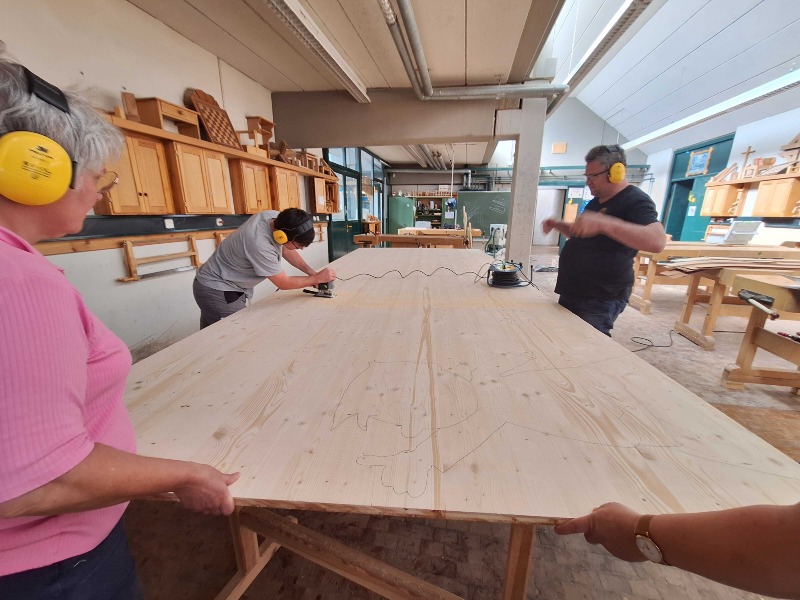
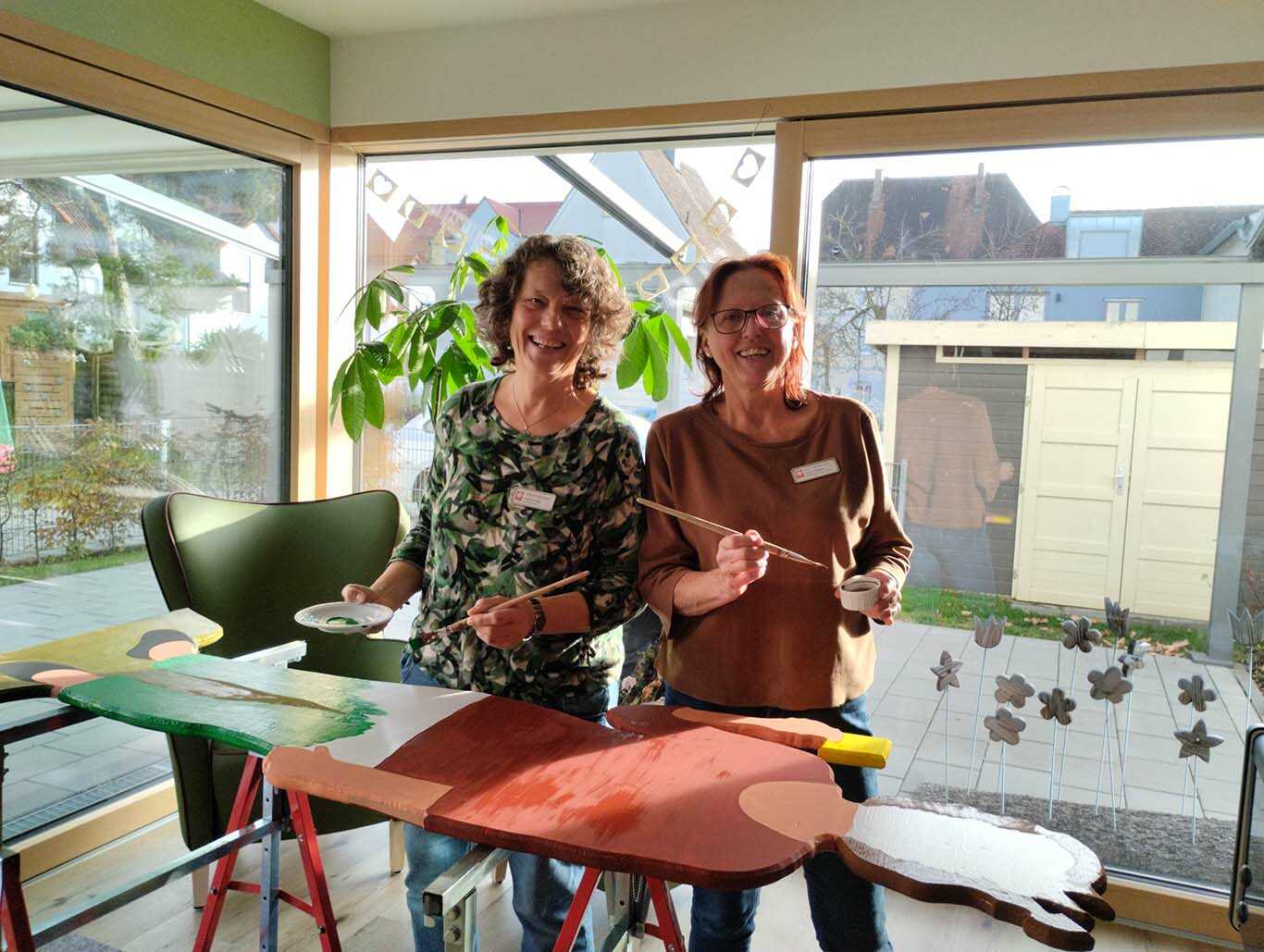
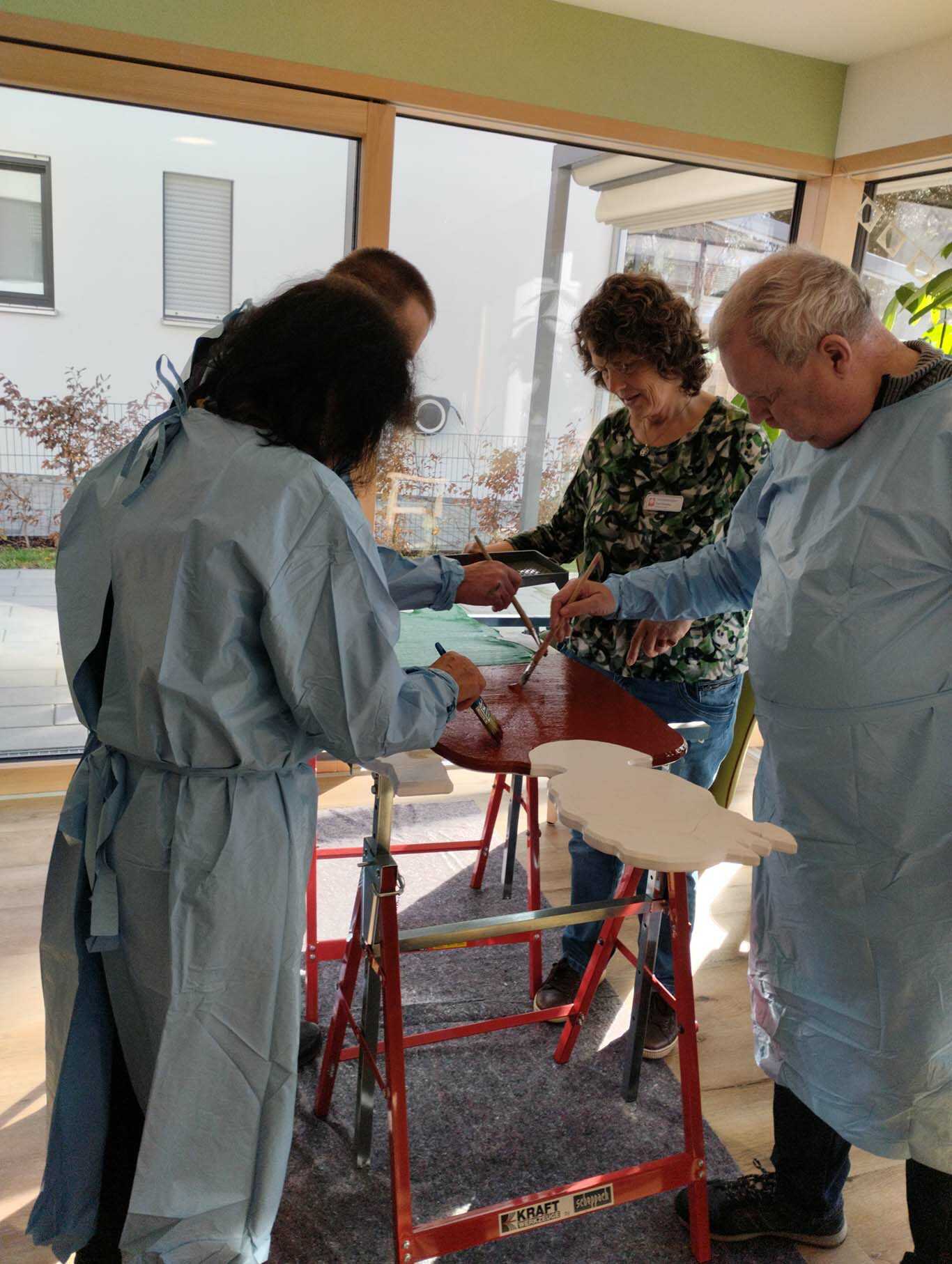
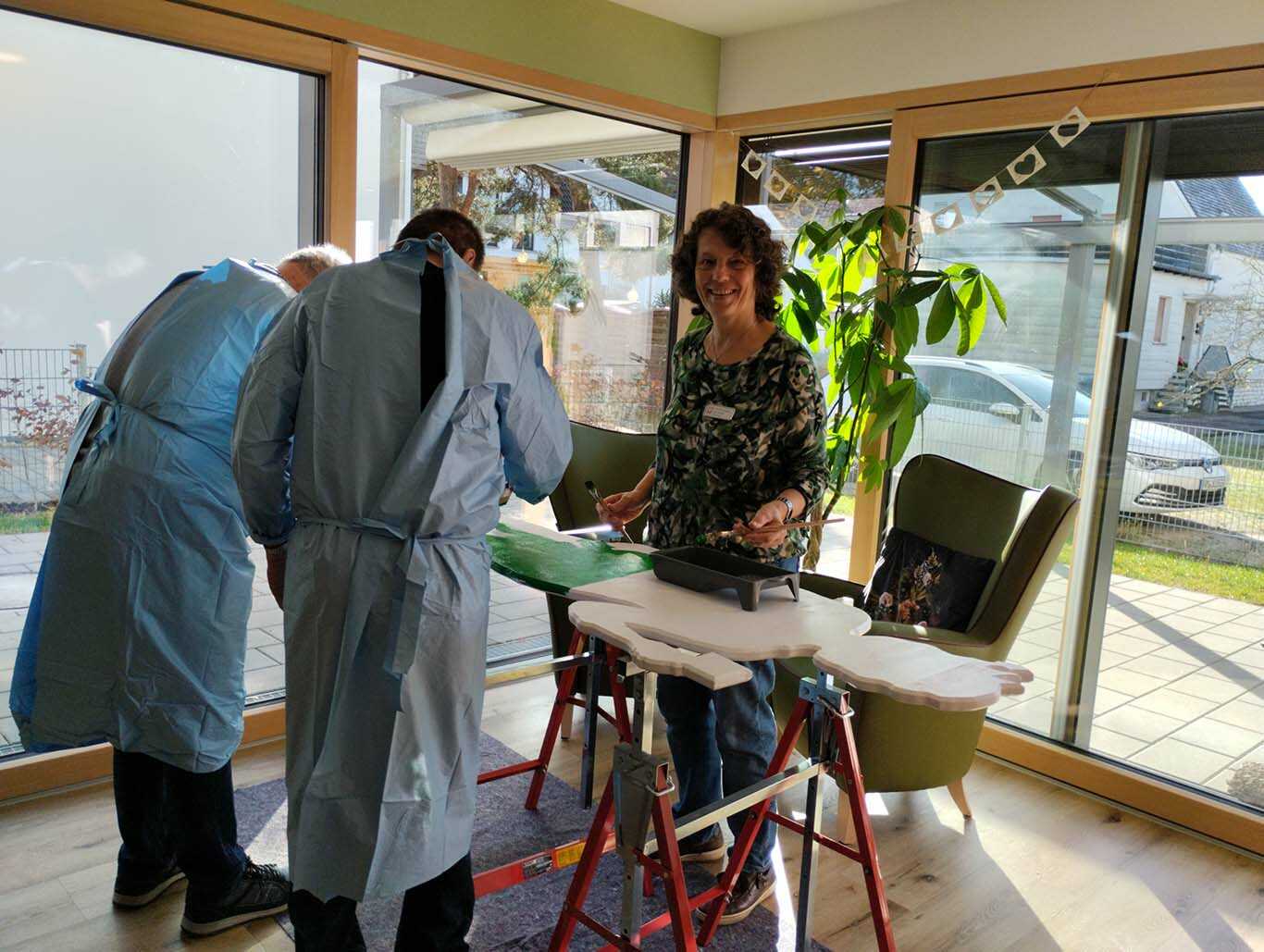
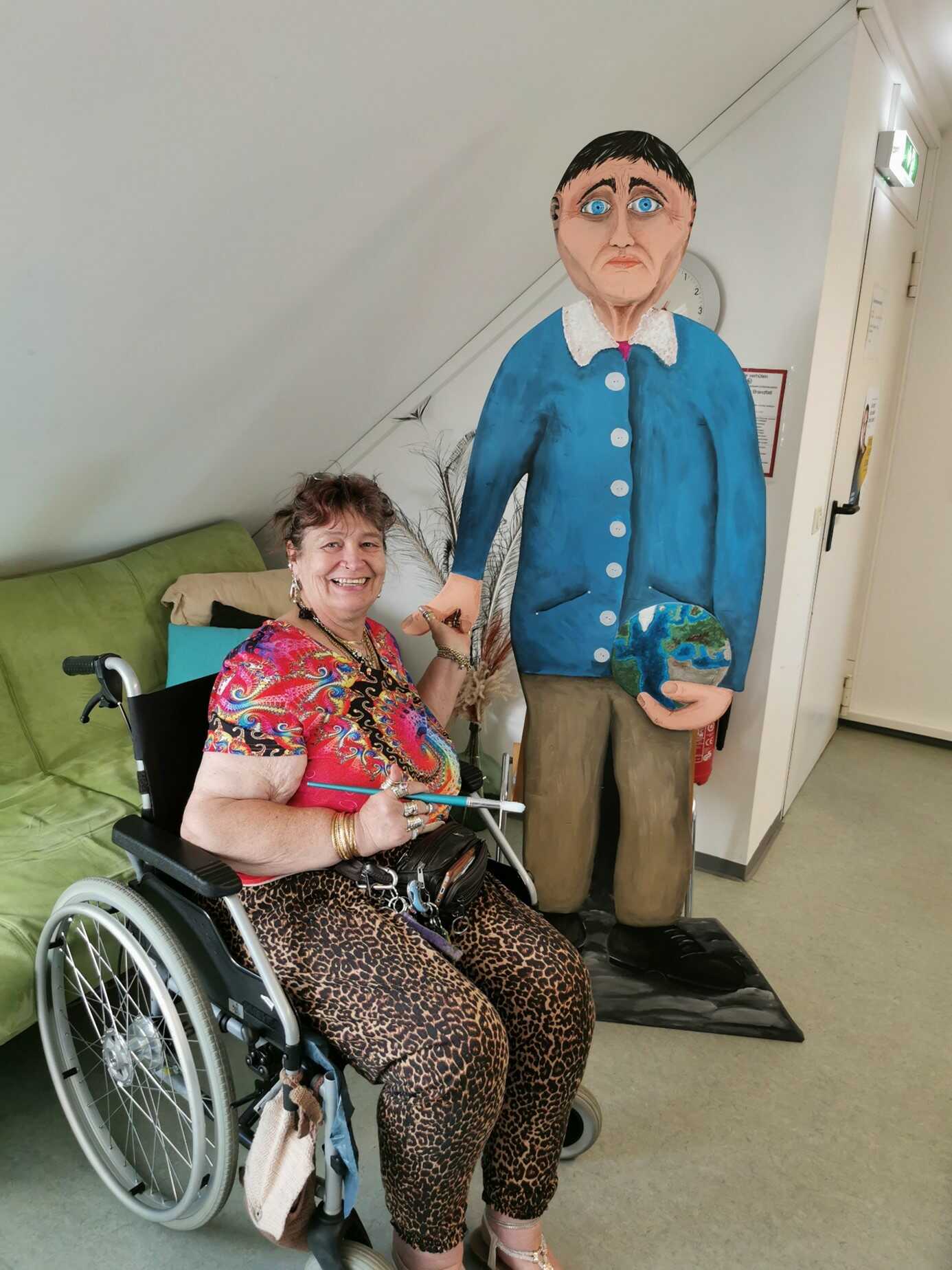
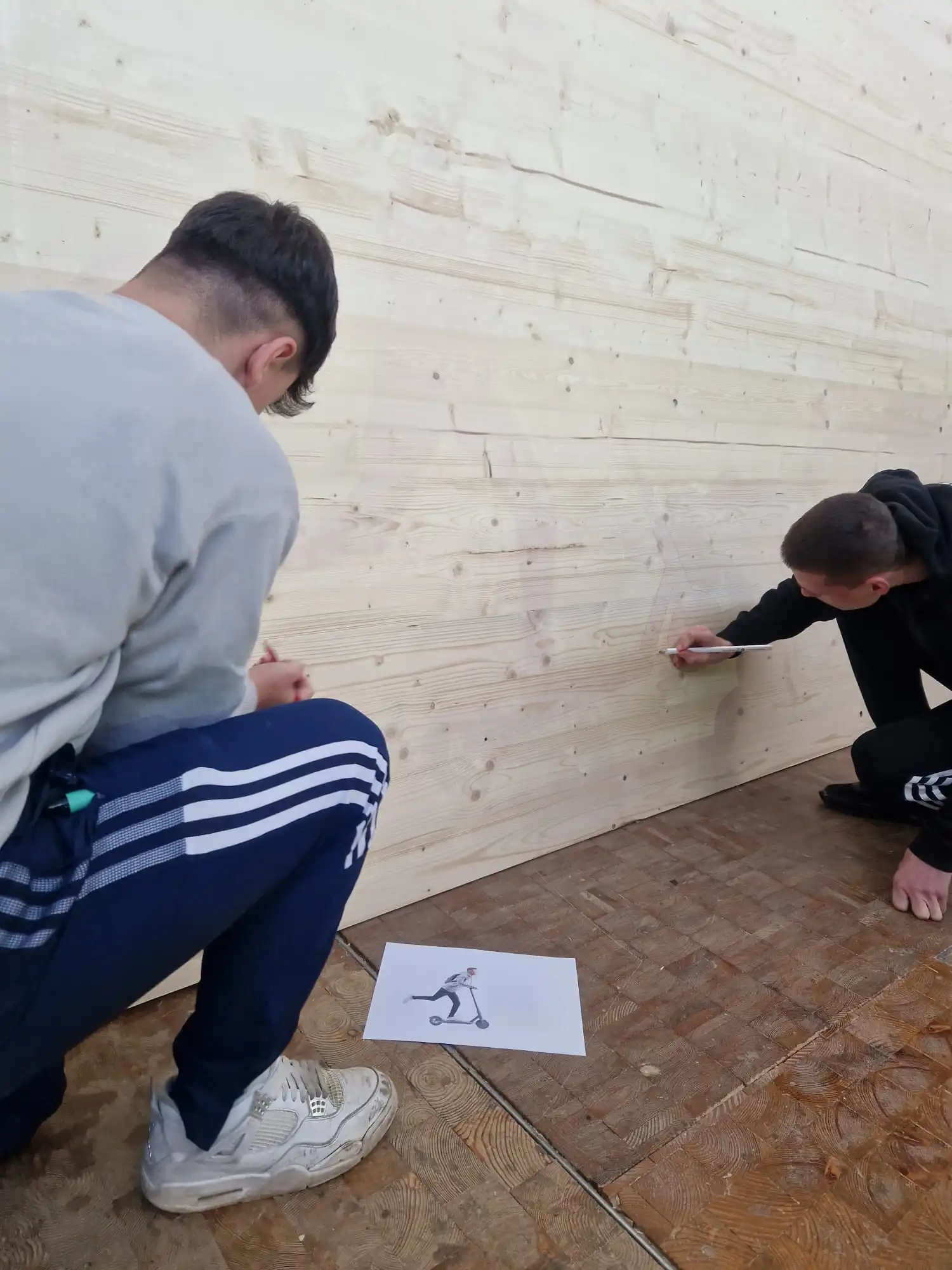
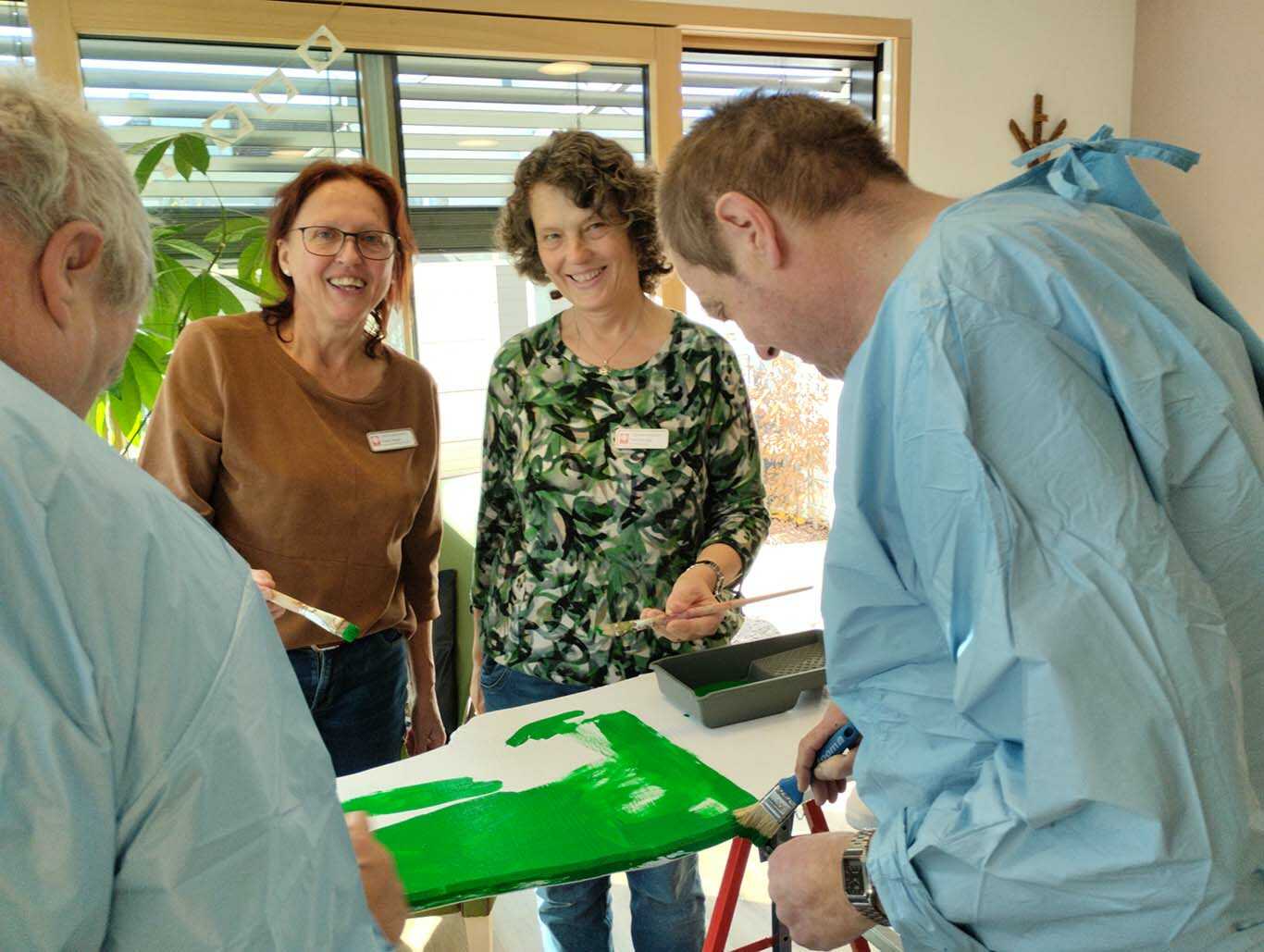
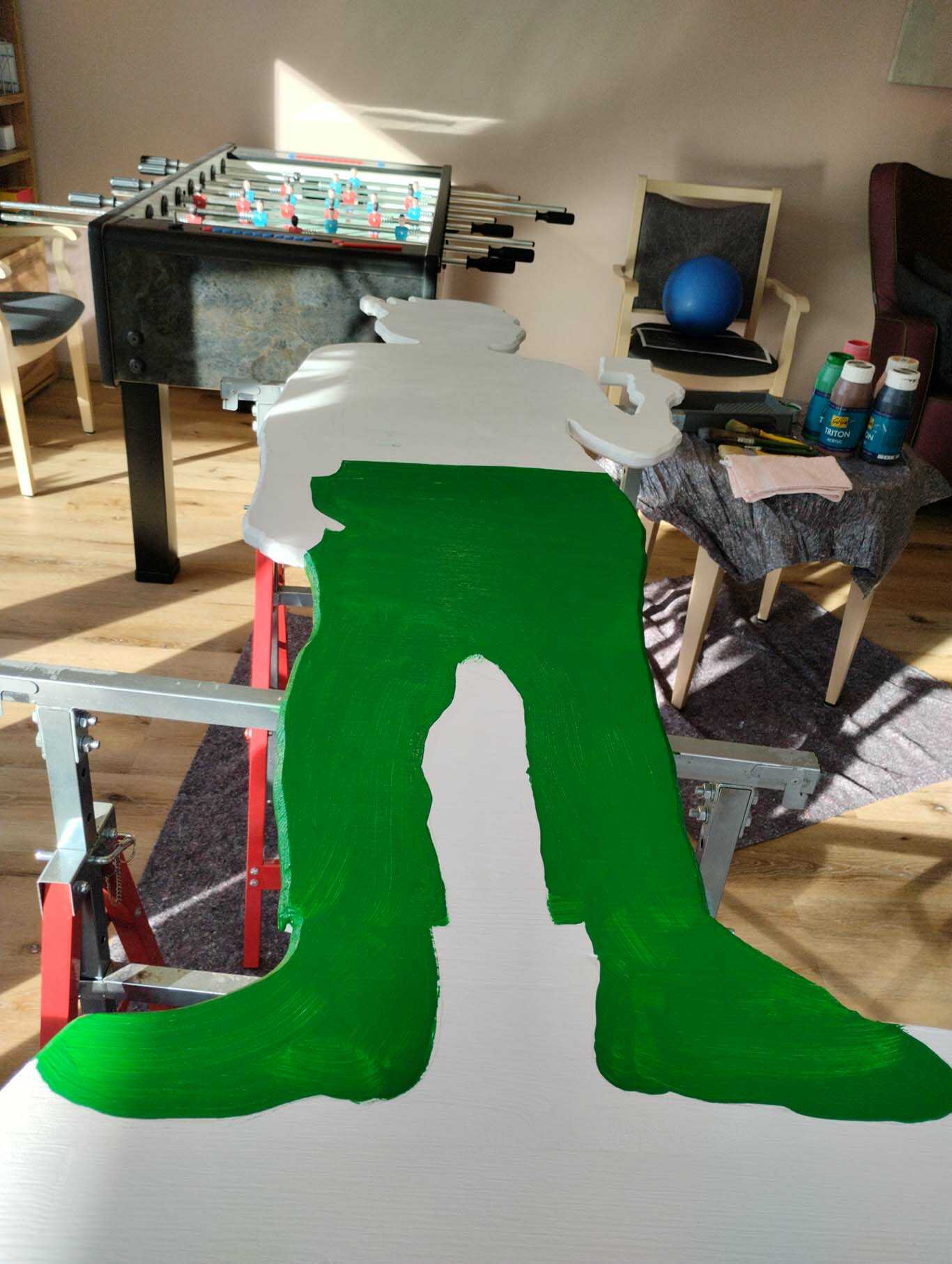
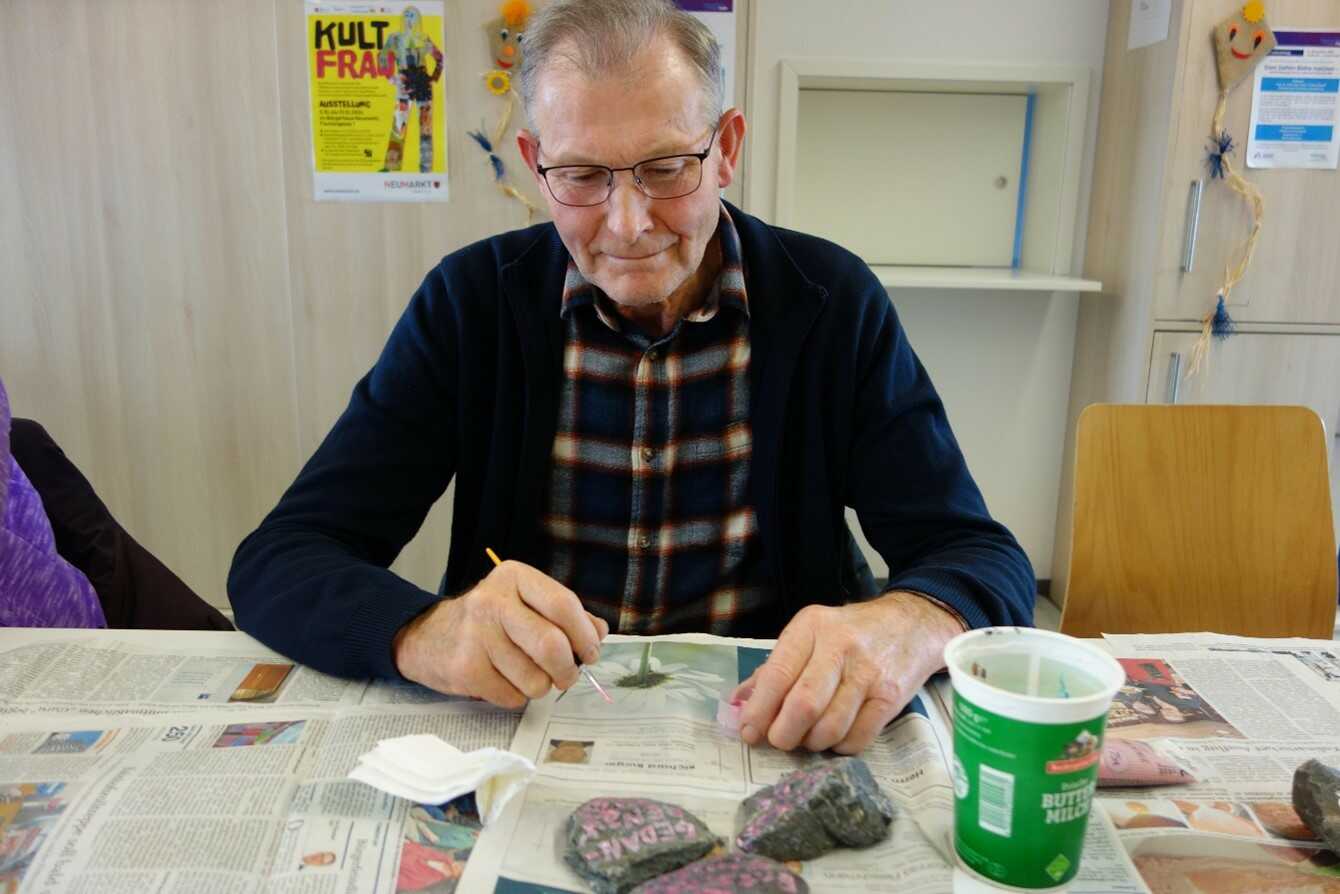
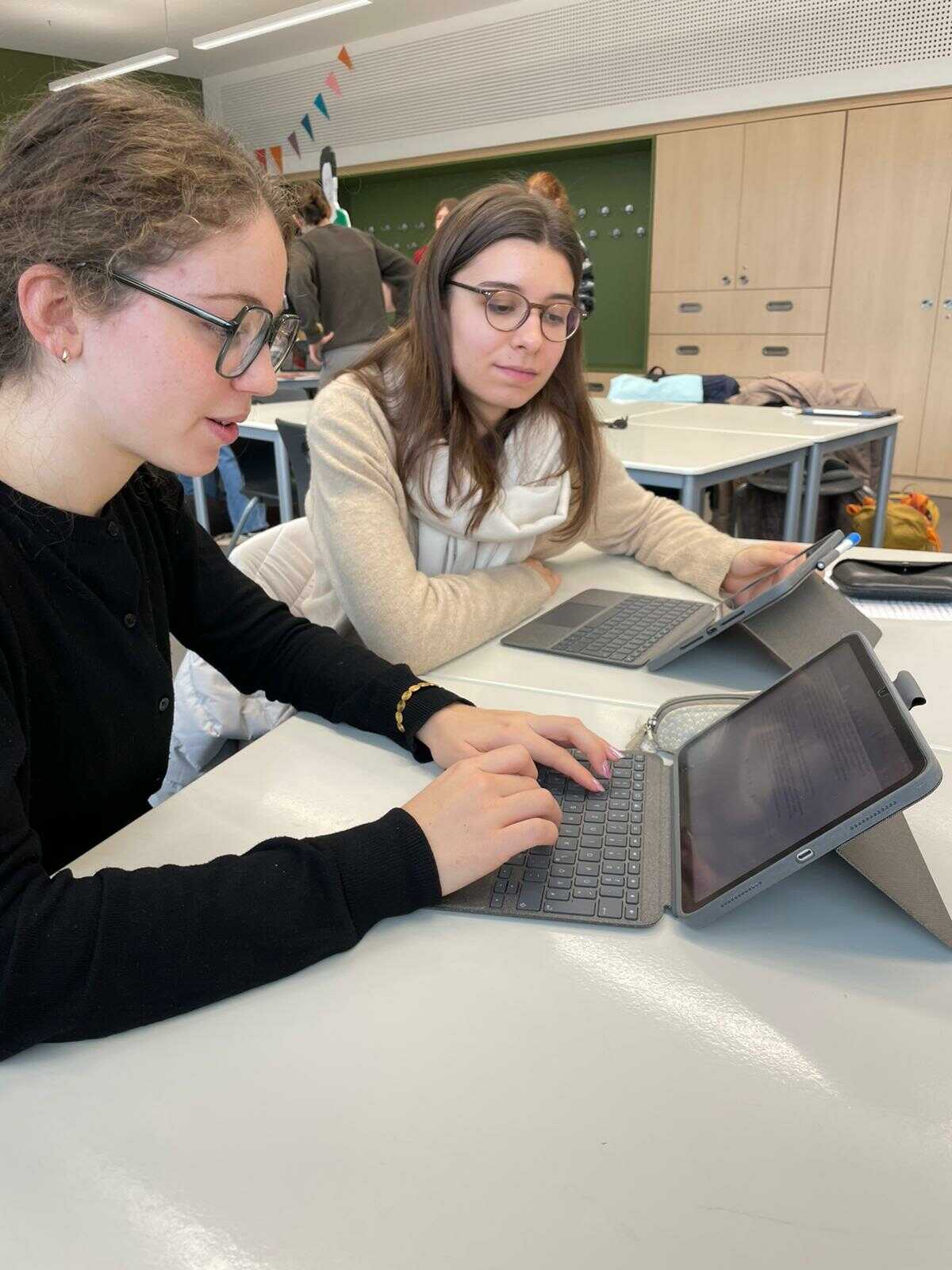
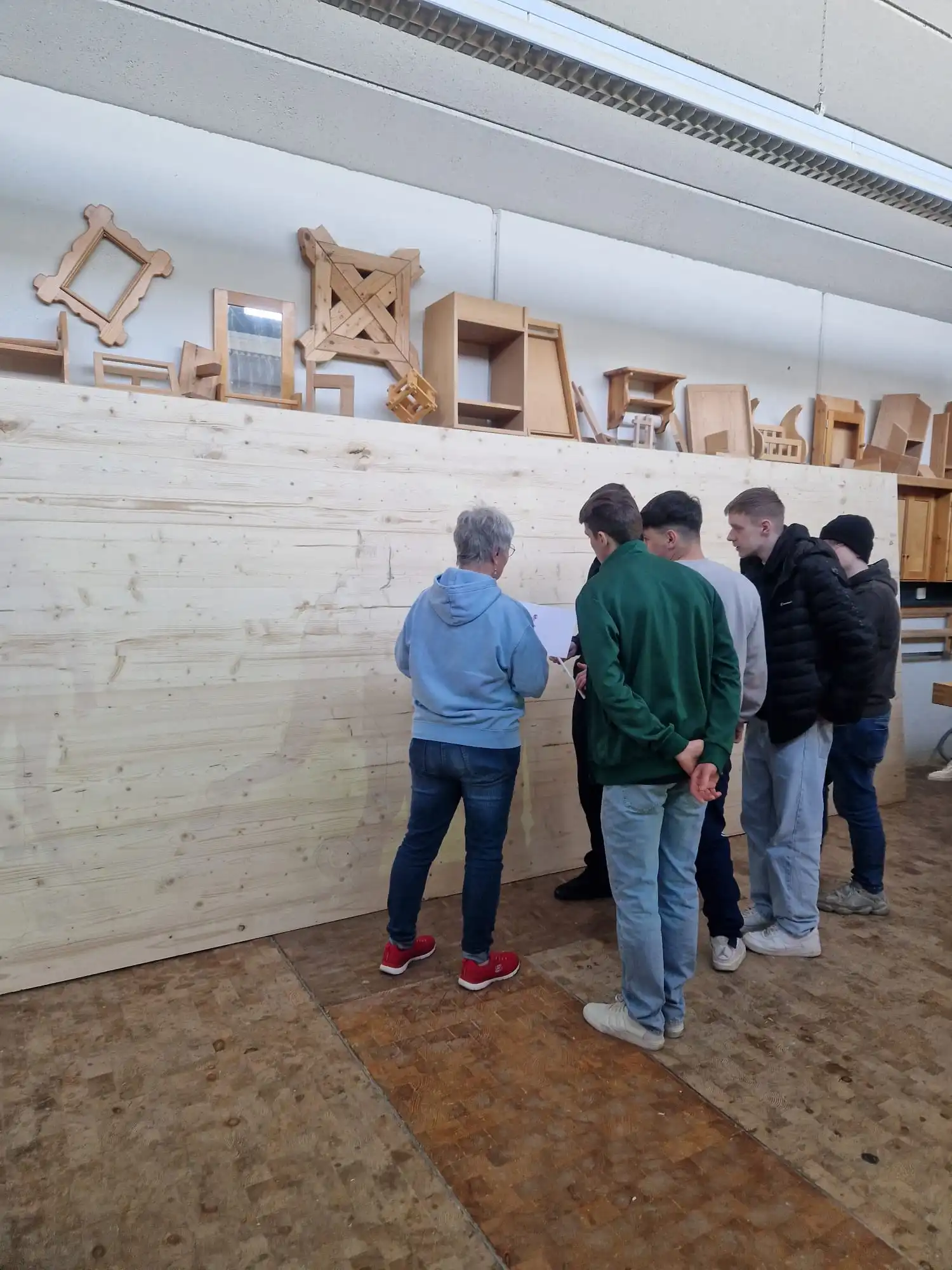
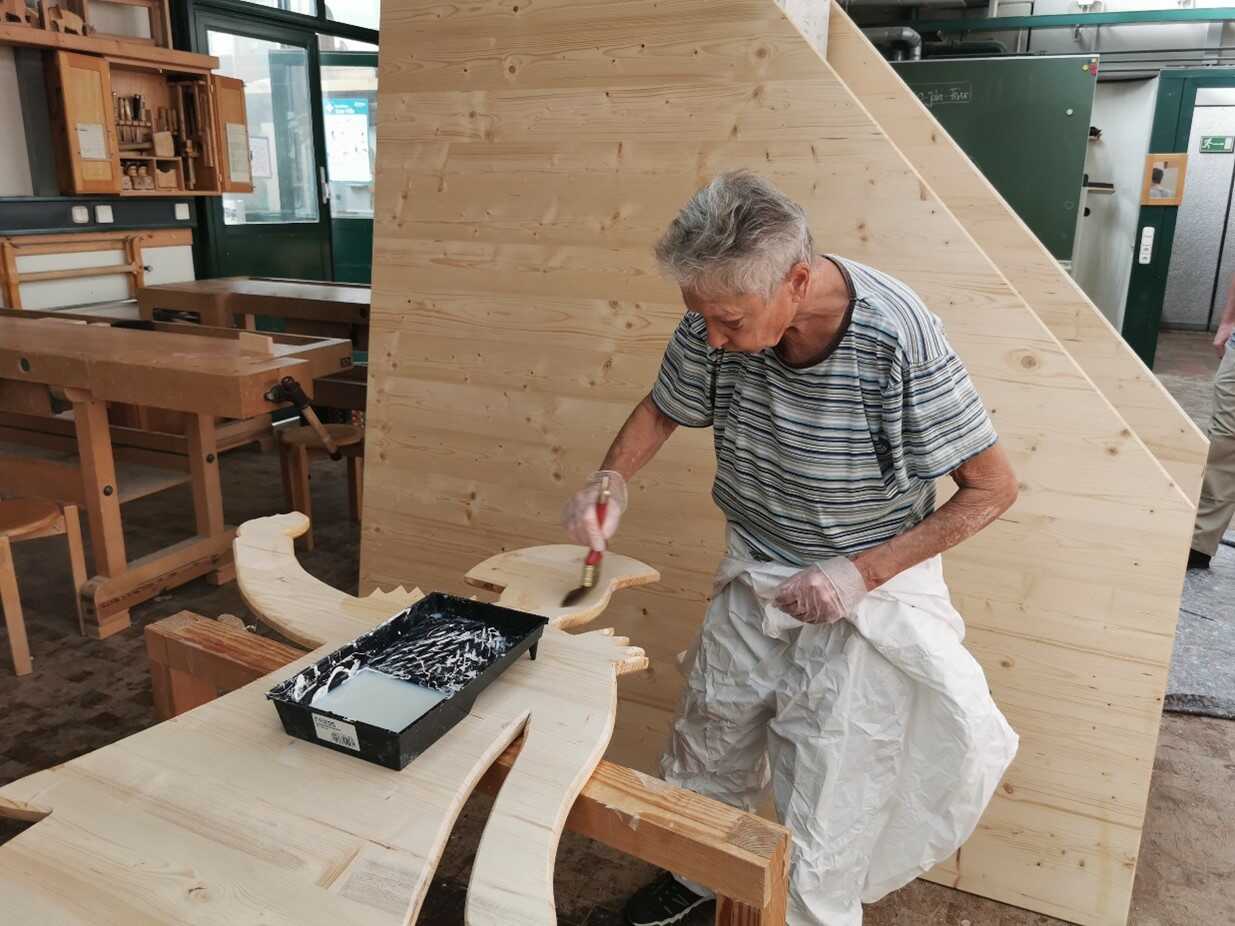
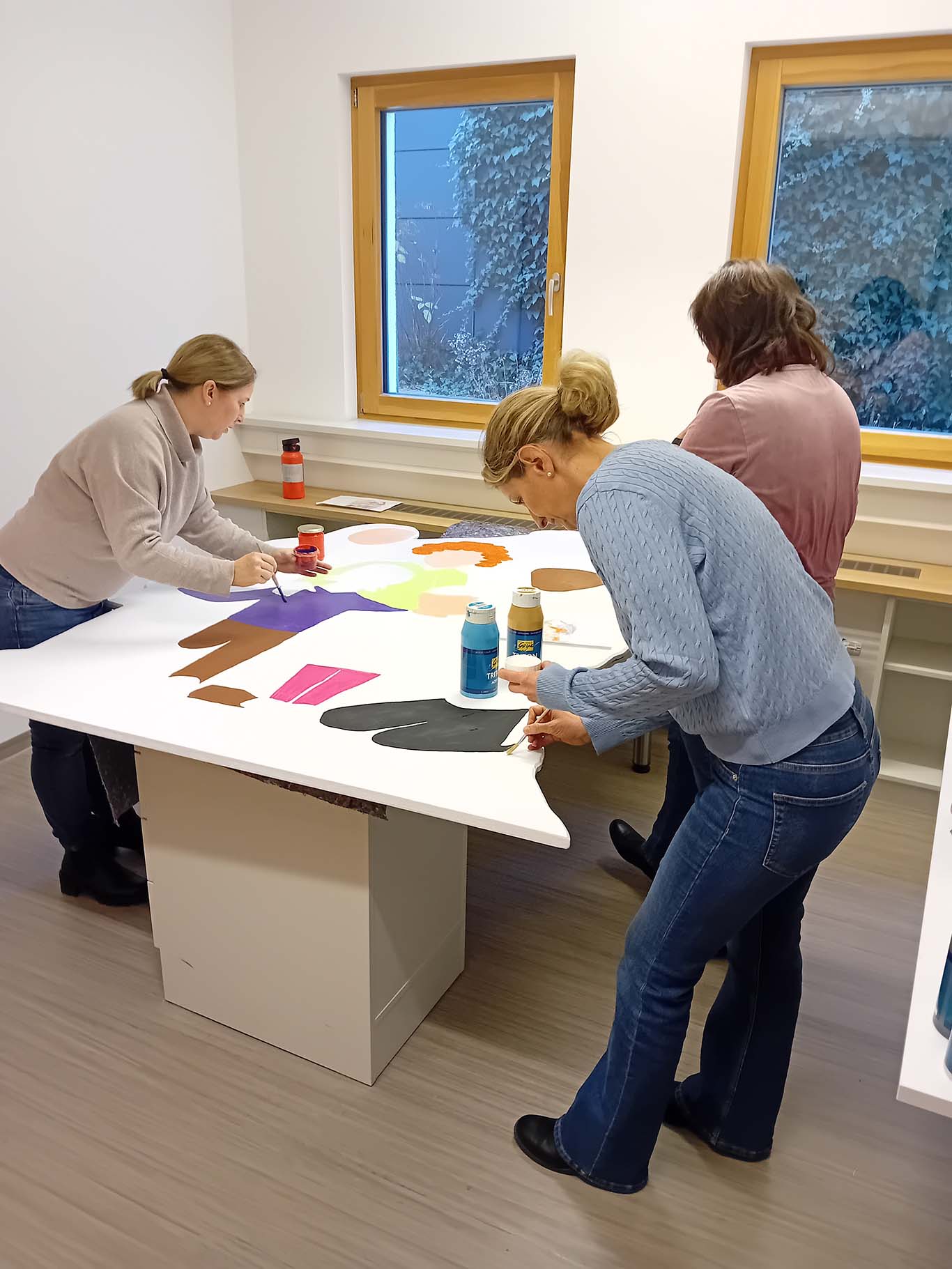
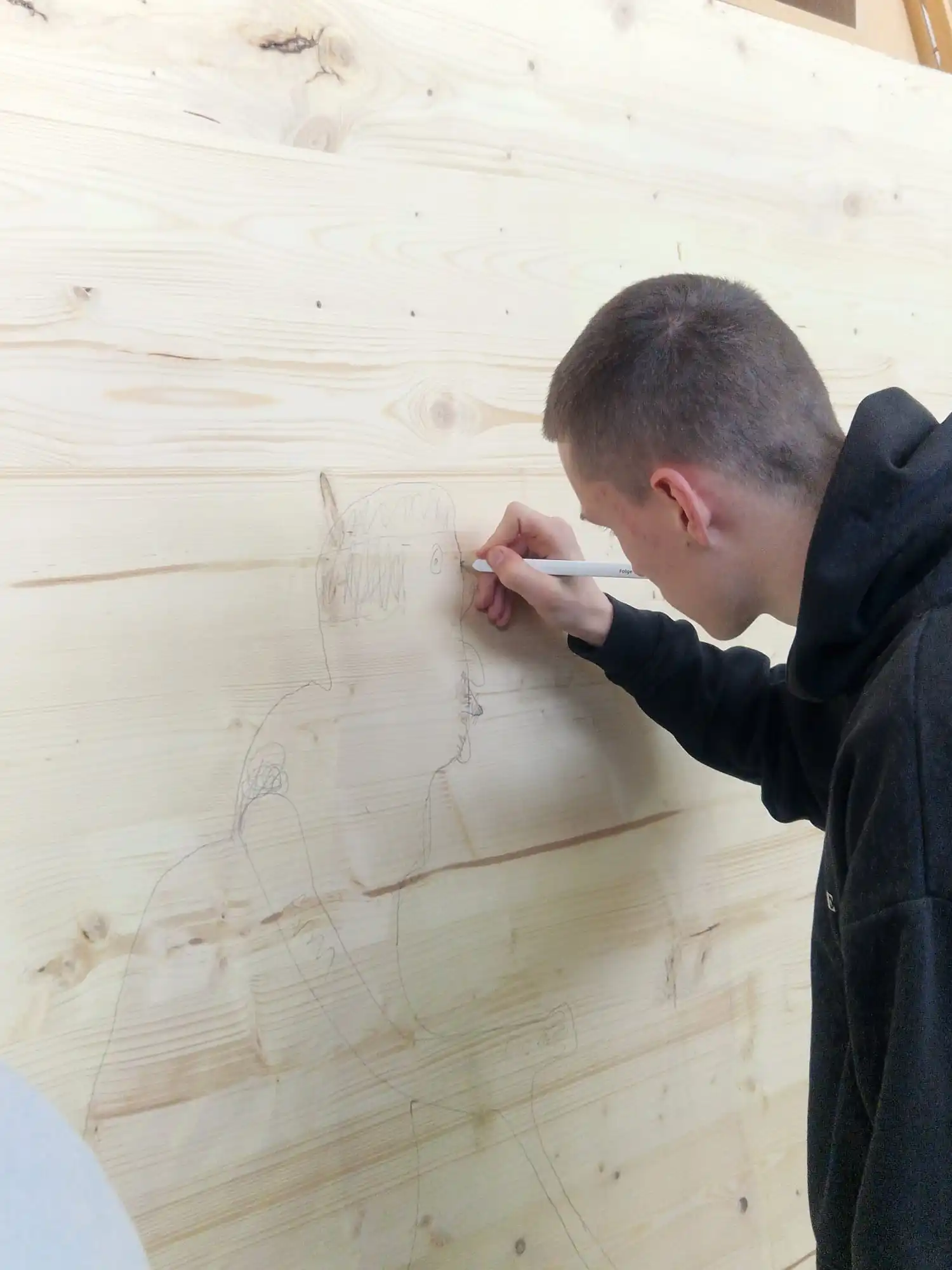
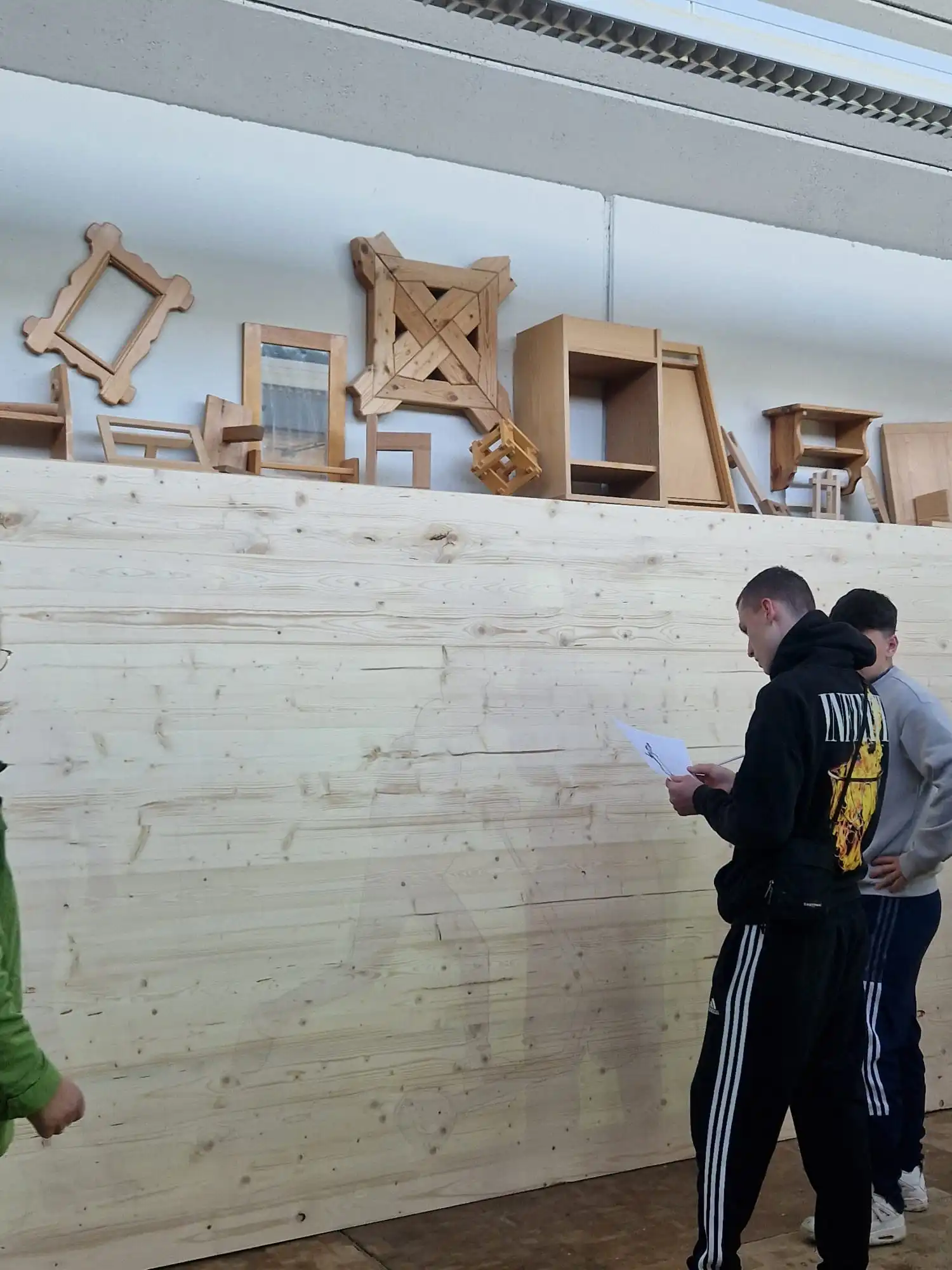
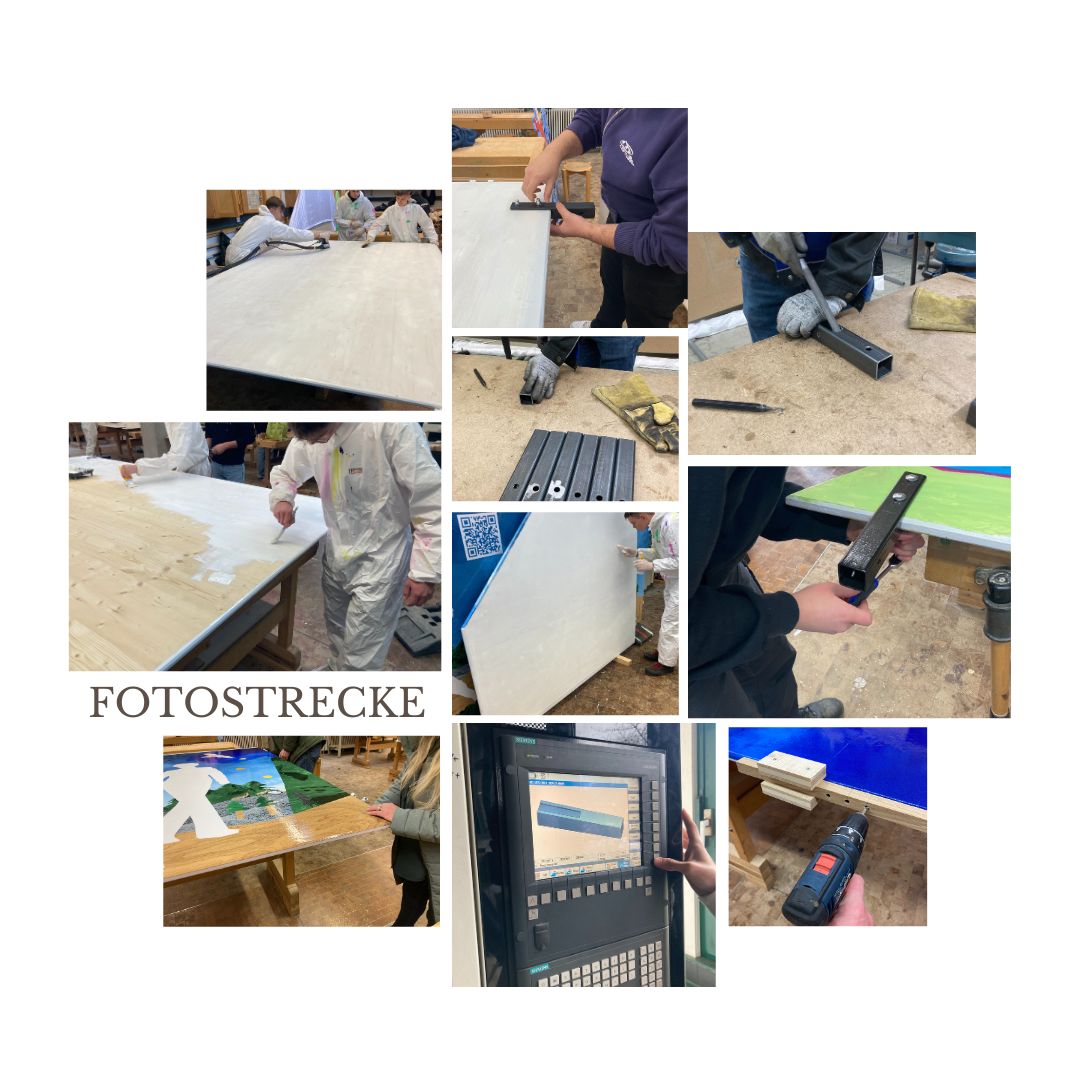
How the Figures Were Created – Photo Series